
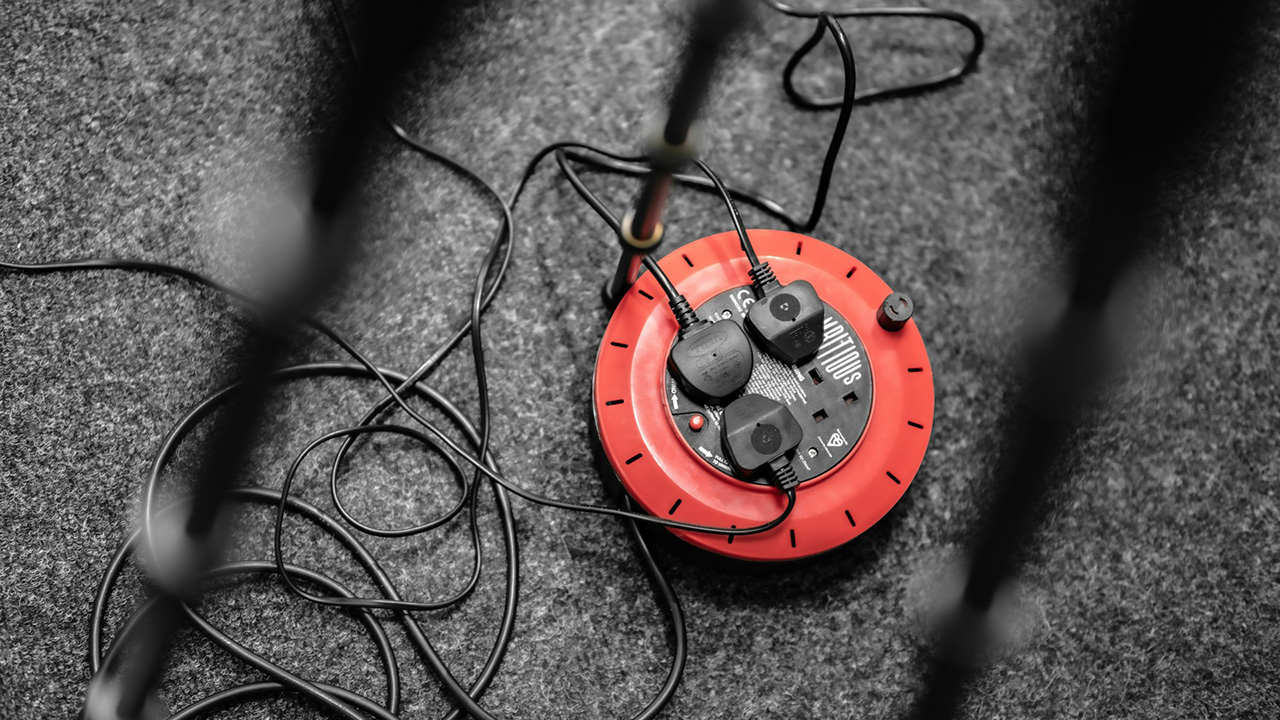
The extension cord mistake that gets dangerous during storms
Photo credit: Ambitious Studio* | Rick Barrett/Unsplash.com
Storm season is when you most rely on extension cords, and it is also when one common shortcut turns from a minor bad habit into a serious electrical hazard. Using the wrong cord in the wrong place, especially outdoors in wet, windy conditions, can turn a simple power fix into a shock, fire, or electrocution risk. With a few targeted checks and smarter gear choices, you can keep the lights on during rough weather without putting your home or family in danger.
The storm-time mistake: treating any cord as “weatherproof”
The most dangerous extension cord mistake during storms is assuming that any cord you grab from the garage is safe to run outside in the rain. Indoor cords are not built to handle moisture, temperature swings, or physical abuse from wind and debris, so when you drape one across a wet patio or yard, water can seep into the plug, break down the insulation, and create a path for current through you instead of the appliance. Electrical safety groups warn that extension cords should never be allowed to sit in water or snow, because moisture can turn small cracks or nicks in the jacket into a direct route for shock or fire.
That risk climbs sharply when you add storm conditions like driving rain, pooling water, and people rushing around in the dark. Guidance on Extension Cord Safety Tips stresses that cords must not run through water or snow on the ground and should not be used as a permanent outdoor solution. When you combine wet surfaces with overloaded or damaged cords, the insulation can overheat or fail, and the current can arc to nearby metal or framing. In other words, the casual habit of “just tossing a cord outside” becomes a high-stakes gamble once the weather turns violent.
Why indoor cords fail fast in rain, wind, and flooding
Indoor cords are designed for dry, relatively stable environments, which is why their jackets are usually thinner and less abrasion resistant than outdoor models. In a storm, rain, humidity, UV radiation, temperature swings, and flying debris all attack that thin insulation, eventually causing cracks, breakdown of the plastic, and exposed conductors. Reporting on how weather affects cable jackets notes that Rain, humidity, UV radiation, temperature fluctuations, and physical abrasion can all lead to insulation breakdown, short circuits, or even fire hazards when cords are left exposed.
Once water reaches the copper conductors, corrosion and heat damage accelerate, especially if the cord is powering a heavy load like a sump pump or portable heater. Electricians explain that indoor cords simply are not made to withstand prolonged moisture, and that an extension that now resembles black licorice or has hardened, brittle insulation is a clear sign of overheating and potential electrical shock risk. In storm conditions, that failure can happen quickly, not over years, because water and mud penetrate every weak point in the jacket and at the plug ends.
How to tell if a cord is actually rated for outdoor storms
To avoid that failure, you need to know whether a cord is truly built for outdoor use, not just colored green or orange. Outdoor cords are marked with specific letters on the jacket, such as a “W” designation, and they use thicker, more durable insulation that resists moisture and abrasion. Safety guidance on Safety Tips for Using an Outdoor Extension Cord notes that long term outdoor power needs should be met with cords specifically rated for exterior use, and that these cords must be stored properly when not in service so the jacket and plug seals stay intact.
Certification marks are another critical clue. A cord that carries a UL Listing mark has been evaluated against safety standards, and product guidance explains that a Listing mark indicates the cord has been tested for safety by Underwriters Laboratories. You can also verify that the mark is legitimate by checking the manufacturer and model against information from Underwriters Laboratories, which maintains databases and guidance on compliant products. If a cord has no rating on the jacket and no recognizable certification symbol, it has no business being part of your storm setup.
Water, electricity, and the myth of “it’s just a little rain”
Many people assume that a light drizzle or damp patio is harmless, but water is an excellent conductor once it picks up minerals and dirt, and it can bridge the tiny gaps between plug blades and receptacles. Safety experts warn that using cords in wet or damp areas dramatically increases the chance of a short circuit or shock, especially if the cord or outlet already has minor damage. One consumer guide on risky situations notes that In Wet or Damp Areas, extension cords pose a serious safety hazard because moisture can get into the connectors and cause a short circuit.
Even cords advertised for outdoor use have limits when it comes to direct water exposure. Guidance on safe setups in wet climates explains that once you confirm you are using the right type of cord, you still need to make sure the connectors and plugs are waterproof and kept off the ground. That means elevating plug connections, shielding them from rain, and never letting them sit in puddles or snowbanks. During storms, when wind can whip cords around and drive rain horizontally, those precautions are the difference between a safe temporary setup and a live, energized hazard lying in standing water.
The hidden overload problem when the power goes out
Storms often knock out power, and when it returns, you may be tempted to plug multiple high draw devices into a single extension cord or power strip to get everything running again. That is where another dangerous mistake appears: overloading a cord that was never designed to carry the combined current of space heaters, sump pumps, refrigerators, and phone chargers. Safety guidance on Extension Cord Safety Tips emphasizes that cords should not be overloaded and should only be used on a temporary basis, because too much current can cause overheating and fire.
Overload risks get worse when you daisy chain cords or hide them under rugs to keep them out of the way during cleanup. One safety guide explains that Connecting two or more extension leads together is unsafe for several reasons, including voltage drop and overheating, and that you should only use one extension lead rather than plugging one into another. Another analysis notes that the longer the extension lead, the higher the resistance and the greater the risk of shorting and sparking, especially when multiple extension leads are combined, which is why Extension leads chained together are described as very unsafe.
Length, resistance, and why “just add another cord” backfires
Even if a cord is rated for outdoor use, its length and wire gauge matter a lot when you are running heavy loads during a storm. The longer the wire, the more electrical resistance it has, which means more voltage drop and more heat generated along the run. A widely shared explanation of extension cord physics notes that if you keep adding length, the resistance rises, the cord is more likely to overheat with a large load, and in extreme cases that heat can even Add enough energy to set surrounding material on fire.
That is why safety guidance for homeowners and businesses repeatedly warns against using multiple cords to reach a distant outlet. One workplace safety advisory explains that when used correctly, When Ground Fault Circuit Interrupters are combined with properly sized cords, they can disconnect power if there is a problem, but they are not a license to string together undersized or overly long cords. Another homeowner guide stresses that extension cords are for temporary use and that you should inspect cords for damage before use and avoid using them as a permanent wiring solution, advice that appears in a list of Extension cord basics every homeowner should know.
Storm-safe setups: routing, covering, and keeping cords out of water
Once you have the right outdoor rated cord, the next step is routing it so storm water never gets a chance to pool around it. Electrical safety organizations advise you to keep cords away from standing water, snow, and areas where runoff collects, and to avoid running them through doorways or under carpets where friction and trapped heat can damage the insulation. A homeowner safety checklist on Dec extension cord habits warns that during use you should never run cords under carpets or through doorways, because the insulation can be damaged and heat can build up, increasing fire risk.
Outdoor specialists also recommend physically elevating plug connections and keeping them off the ground, especially in yards and driveways that flood easily. One guide to Proper Usage of Outdoor Extension Cords advises you to Keep Cords Away from Water and Snow, noting that even if the cord is rated for outdoor use, it should not be allowed to sit in puddles or drifts. Another seasonal safety briefing on Christmas Lights and Safety Recommendations Christmas decorations urges homeowners to keep outdoor electrical connections off the ground and to cover unused connections when not in use so moisture cannot enter. In storm conditions, those same practices help keep temporary power setups dry and controlled.
GFCI protection, UL marks, and other gear that matters in a storm
Hardware choices can dramatically reduce the risk that a wet or damaged cord will turn into a life threatening shock. Ground fault protection is especially important in storm conditions, because it can cut power in fractions of a second if current starts flowing through an unintended path, such as a puddle or a person. A detailed guide to GFCI protected extension cords explains that these cords include a Ground Fault Circuit Interrupter that offers extra protection against electrical shock by disconnecting power when it detects a current imbalance.
Certification and product design are just as important as add on protection. Safety organizations urge consumers to choose cords that carry recognized testing marks and are clearly labeled for their intended environment. Product guidance notes that a UL Listing mark indicates the cord has been tested for safety by Underwriters Laboratories, and that you should match the cord’s rating to the device you are powering. Consumer safety advice on Using extension cords also stresses that you should never remove an extension cord’s grounding pin and should never use indoor extension cords outdoors, because doing so defeats built in safety features. When storms are in the forecast, upgrading to cords with intact grounding pins, GFCI protection, and verified outdoor ratings is one of the simplest ways to stack the odds in your favor.
Common habits that turn deadly once the weather turns
Some of the most dangerous storm time mistakes start as everyday shortcuts that feel harmless in good weather. Hiding cords under rugs to prevent tripping, forcing three prong plugs into two prong outlets, or taping cords to walls and ceilings all damage insulation and strain connectors. A safety advisory on Use the Right Cords in the Right Place warns that not all extension cords are designed for the same thing and that using indoor cords outdoors or in high traffic areas can increase the risk of overheating and shock, especially if the cord is pinched or damaged.
Storms magnify those risks by adding water, debris, and hurried movement. A homeowner guide to Top extension cord mistakes notes that you might think “It’s just a cord,” but frayed or exposed wires are hazardous and can easily ignite nearby material. Another safety overview on Use the Right Cords in the Right Place explains that if indoor extension cords are used outdoors, they are at a higher risk for overheating and damage. Video guidance from Oct County Office on protecting extension cords from rain reinforces that you should never leave plug connections exposed to direct rainfall and should instead use covers or elevated junctions to keep water out. When you combine those simple precautions with the broader rules from Extension Cord Safety Tips, you turn a fragile, improvised setup into a controlled, temporary system that can ride out the storm much more safely.


