Why holiday gatherings can cause a second wave of sickness after New Year’s
Photo credit: Drazen Zigic/Shutterstock
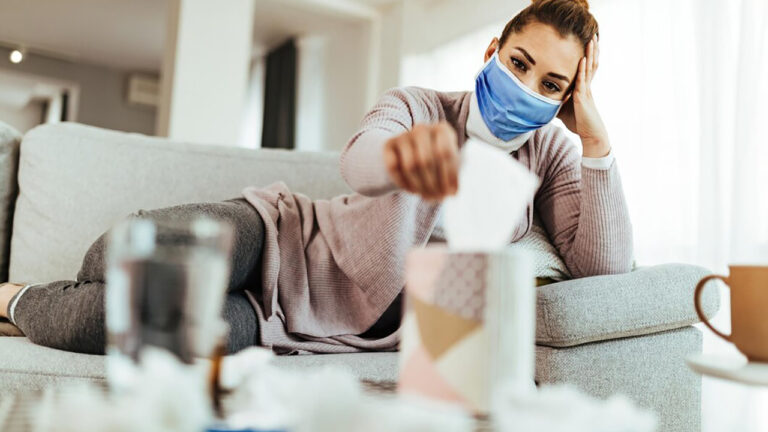
Every year, the weeks after New Year’s feel like a collective crash: the decorations come down, work ramps back up, and a surprising number of people suddenly come down with something. That “second wave” of coughing coworkers and sick kids is not bad luck, it is the predictable result of how you celebrate, travel, and push your body through the holidays. Understanding those patterns gives you a better chance of enjoying January without a box of tissues permanently in hand.
From crowded airports to late-night parties, the season layers together ideal conditions for respiratory viruses, heart strain, and burnout to surface just as life is supposed to return to normal. When you see how those forces stack up, you can start to tweak your plans, protect vulnerable relatives, and spot when a lingering post-holiday bug is more than just a nuisance.
The post-holiday “second wave” is visible in the data
By the time you reach early January, the impact of December gatherings is already baked into national health trends. As of December, federal surveillance shows that the amount of acute respiratory illness sending people to clinics and emergency rooms is at a high level, reflecting a mix of flu, COVID and other infections that thrive in winter crowds, according to the Respiratory Illnesses Data Channel. That spike does not appear out of nowhere, it is the delayed result of exposures that happened at office parties, school concerts, religious services and family dinners in the weeks before.
Local snapshots tell the same story. In Cook County, health officials have reported a clear spike in flu cases, enough that they are still urging people to get vaccinated even as the year ends, and they emphasize that influenza can cause very serious illness in both older adults and young children, according to guidance that includes recommendations from Joshi and Dr. Brian Borah in Cook County flu reports. When you overlay those local curves on national data, the pattern is consistent: a December climb that often crests just after New Year’s, right when you are trying to get back to your routine.
Holiday travel and close contact supercharge transmission
Travel is one of the most powerful engines behind that delayed surge. Internal Medicine physician Gialanella, who practices at Cooperman Barnabas Medical Center and is part of the RWJBarnabas Health Medic network, points out that as the holiday season approaches, increased travel brings you into contact with more strangers, more surfaces, and more shared air than usual, all of which raise your odds of picking up a virus during a trip home, according to his explanation of why we get sick during the holidays. You might feel fine while you are still on the road, but the incubation period means symptoms often wait to appear until you are back at work or school.
Even if you never leave town, the way you move through public spaces changes. Airports, planes and buses are packed, and close contact with others in those settings makes it easier for respiratory droplets to jump from person to person, a dynamic highlighted in advice on why winter illnesses increase due to Christmas travel. Dry cabin air and long hours in transit can dry out your nasal passages, weakening one of your body’s first lines of defense and giving viruses a better chance to take hold just as you arrive at a crowded gathering.
Winter weather quietly tilts the odds in favor of viruses
Cold air itself does not infect you, but it shapes the environment in ways that help viruses survive and spread. Researchers who study Temperature and Viral Transmission have found that when the air is colder and drier, respiratory droplets stay suspended longer and travel farther, which increases the chance that someone across the room will inhale them, as described in reporting on how cold winter weather helps viruses. Low humidity also dries out the mucous membranes in your nose and throat, making it easier for pathogens to slip past your natural barriers.
At the same time, winter pushes you indoors for longer stretches, where ventilation is often poor and windows stay closed to conserve heat. That combination of sealed rooms and recirculated air means that if one person at a New Year’s party is contagious, the virus can build up in the space over the course of an evening. When you add in the fact that people tend to talk loudly, sing, and laugh at holiday events, all of which generate more respiratory particles, the physical environment of January becomes a quiet accomplice in the second wave of illness.
Parties, food and alcohol strain your heart and immune system
Holiday gatherings are not just about germs, they are also about what you eat and drink, and that has its own health consequences. For most people, the Christmas and New Year holidays revolve around big meals, salty snacks and heavy desserts, and that sudden change in diet can stress your cardiovascular system, particularly if you already have high blood pressure or heart disease, according to cardiology experts who have warned that Christmas and New Year indulgence can be bad for your heart if you are not careful. Alcohol adds another layer, since binge drinking can trigger arrhythmias and raise blood pressure in the short term.
Doctors in NORTH CHARLESTON, S.C., have gone so far as to warn about deaths caused by “holiday heart syndrome,” a pattern where otherwise healthy people develop dangerous heart rhythm problems after episodes of heavy drinking, as highlighted in coverage from WCSC and Gray News that notes how, with the holidays wrapping up, clinicians expect a spike in heart-related emergencies linked to these celebrations in NORTH CHARLESTON reports. When your heart is under strain and your sleep is disrupted by late nights, your immune system has a harder time mounting a strong response to any virus you picked up at the same party, which helps explain why some people crash with both cardiac symptoms and respiratory infections in early January.
Stress, slowdown and the “letdown” effect
There is also a psychological and hormonal side to the post-holiday slump. In the run-up to big events, you often run on adrenaline, juggling travel logistics, gift buying, work deadlines and family expectations, and that stress can temporarily keep you going even if you are incubating a virus. Practitioners who study lifestyle medicine note that when you finally slow down, the body shifts out of that high-alert mode, and illnesses you were holding at bay suddenly surface, a pattern described in analysis of why we get sick on holiday that starts with the observation, “Ever notice how a cold or flu appears the moment you start a holiday?”
That “letdown” effect is especially visible in the first week of January, when the social calendar empties and the emotional high of the season gives way to normal responsibilities. If you have been sleeping less, eating irregularly and skipping exercise for several weeks, your baseline resilience is already lower. The combination of chronic stress followed by a sudden drop in activity can dysregulate cortisol and other immune-related hormones, which helps explain why you might feel fine through New Year’s Eve and then wake up a few days later with a sore throat, fever and a sense that your body has finally given in.
Flu, COVID and RSV collide in a crowded season
Respiratory viruses do not take turns, they overlap, and the current season is a reminder of how crowded that landscape has become. Your guide to the 2025 flu, COVID-19 and RSV season notes that flu activity is already increasing in several regions and that clinicians are preparing for a difficult, busy respiratory season in which all three viruses circulate at once, according to Your guide to the 2025 flu, COVID-19 and RSV season. When you gather indoors with multiple generations, you are effectively bringing together three different viral threats that can each cause serious disease in vulnerable people.
Because the incubation periods and symptom profiles of flu, COVID and RSV overlap, it can be hard to tell which one you have without testing, and that uncertainty can delay isolation or treatment. If you assume a mild cough is just leftover irritation from travel or late nights, you might keep socializing through New Year’s, unknowingly spreading infection that will show up in your friends and relatives a week later. That is one reason public health officials keep stressing that it is not too late to get shots for flu and COVID, and that staying home for at least 24 hours after a fever resolves, as Joshi recommends in the Cook County guidance, is still one of the most effective ways to blunt that second wave.
Household habits that quietly raise your risk
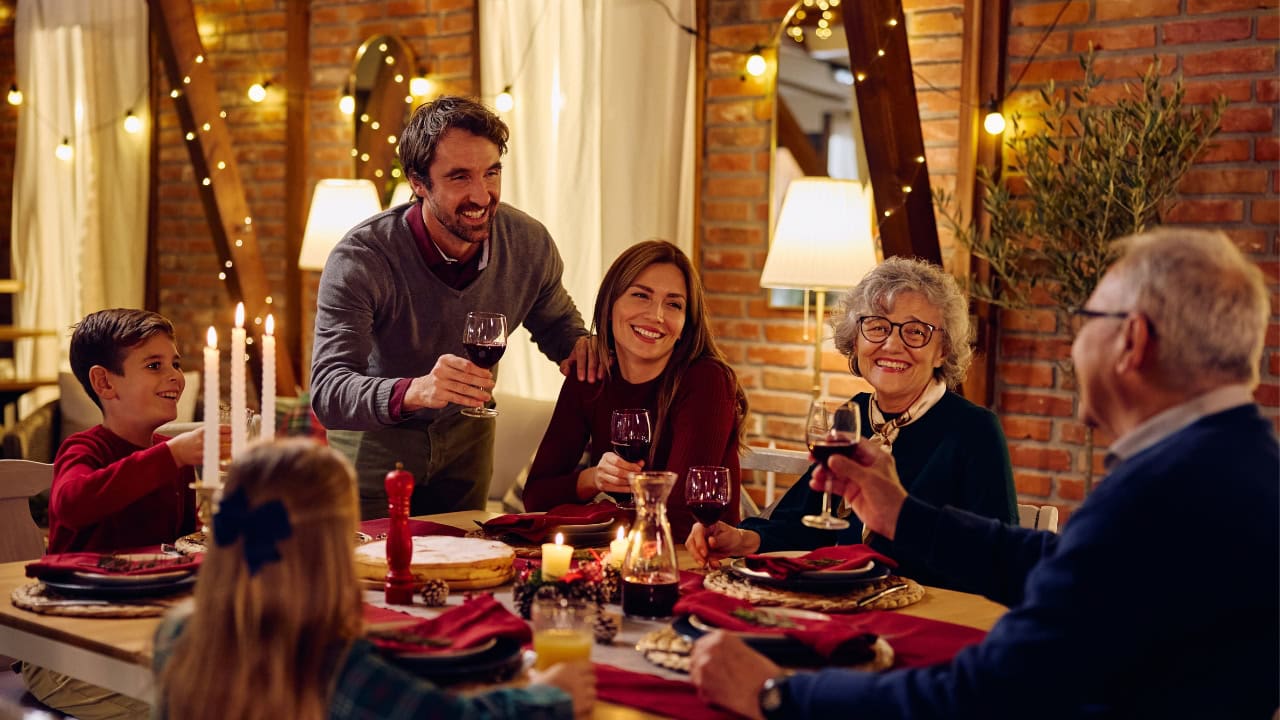
Even if you avoid big public events, the way you host at home can increase your odds of getting sick after the holidays. Most of us pack our homes full of family and friends around the holidays, and there are things people do without thinking that make everyone more susceptible to getting sick, such as sharing serving utensils, crowding into small rooms and skipping handwashing between activities, according to practical advice on how not to get sick during the holidays. When you add overnight guests, shared bathrooms and improvised sleeping spaces, you create more opportunities for germs to move through the household.
Ventilation is another often overlooked factor. In cold weather, you may hesitate to crack a window or run a fan, but stale indoor air lets viral particles accumulate, especially when people are talking, singing or playing games for hours. Simple steps like spacing out chairs, serving food in shifts instead of crowding everyone around a buffet, and encouraging anyone with symptoms to mask or sit a bit apart can meaningfully reduce risk without canceling the celebration. Those small adjustments can be the difference between a single sick relative and a cluster of cases that show up in the first week of January.
Why symptoms often hit after New Year’s, not during the holidays
The timing of that second wave is not random, it reflects how long it takes common viruses to incubate. Influenza typically takes one to four days from exposure to symptoms, while COVID and RSV can take a bit longer, so if you are exposed at a Christmas gathering, you might start feeling ill right around New Year’s, and if you are exposed at a New Year’s Eve party, the worst of it may not hit until the first full week of January. That lag means the social peak of the holidays and the clinical peak of illness are offset, which is why workplaces and schools often feel the impact after the decorations are gone.
On top of that biological delay, your own behavior can mask early warning signs. You might attribute a scratchy throat to dry winter air or a mild headache to one too many drinks, and push through to attend another event. Practitioners who counsel patients on seasonal health note that when you ignore those early cues and keep burning the candle at both ends, you give the virus more time to replicate unchecked, which can lead to more severe symptoms once you finally slow down, a pattern that echoes the “Ever notice how a cold or flu appears the moment you start a holiday?” observation in the analysis of why we get sick on holiday. By the time you recognize that you are truly sick, you may already have exposed a long list of people who will, in turn, swell the January caseload.
How to enjoy gatherings without fueling the next wave
None of this means you have to cancel your celebrations, but it does argue for being more intentional about how you plan them. Internal Medicine specialists like Gialanella emphasize that simple steps such as staying up to date on vaccines, washing hands frequently and avoiding travel when you are actively ill can significantly cut transmission, as outlined in his discussion of holiday-season risk. Building in real rest, not just social downtime, can also help your immune system stay responsive instead of running on fumes.
On the practical side, you can treat ventilation, testing and symptom checks as part of your hosting toolkit, just like planning the menu. Opening windows for short bursts, using portable air cleaners where possible, and encouraging guests to test for COVID before large indoor events are all modest inconveniences compared with a week of illness. If someone in your circle is at higher risk, such as an older relative or a friend with heart disease who might be vulnerable to the kinds of events described in the NORTH CHARLESTON coverage of holiday heart syndrome, you can prioritize outdoor meetups, smaller gatherings or masking around them. The goal is not perfection, it is stacking enough small protections that the joy of the season does not have to be followed by a preventable second wave of sickness.