How to prep your car for a deep-freeze week without spending much
Photo credit: Anna Shvets/Pexels.com
A deep freeze exposes every weak spot in your car, from the battery to the door seals, and those failures tend to show up on the coldest morning when you are already late. You do not need a premium garage or a trunk full of new gear to get through a brutal week of subzero temperatures, but you do need a plan and a few cheap supplies. With a little advance work, you can keep the car starting, the glass clear and the doors opening without draining your bank account.
The most effective strategy is to focus on simple, preventive steps that stop ice and cold from causing damage in the first place. That means thinking like a winter mechanic: protecting the battery, keeping moisture away from locks and seals, and using low cost barriers so snow and ice never get a chance to bond to your windshield or paint. The following guide walks through those priorities in a sequence you can tackle over a single afternoon before the temperature plunges.
Take stock of your car before the temperature crashes
Before the forecast turns ugly, you should give your car a quick winter health check so you are not discovering problems in the dark at 6 a.m. Start with the basics that any cold weather checklist highlights, such as tire condition, fluid levels and wiper blades, because those are the systems that keep you moving and able to see. A practical winterizing guide recommends you change to winter tires, check engine fluids and test your battery, which you can adapt on a budget by at least checking tread depth, topping up washer fluid with a winter blend and having a parts store run a free battery test.
Once the essentials are covered, think about where and how you park during a deep freeze, because that can be as important as any product you buy. Parking in a garage or even under a carport can shield the vehicle from wind and drifting snow, and a winter prep guide notes that you should check your tire pressure, wiper blades and emergency kit before a winter storm so you are not scrambling once the snow starts. If you only have street parking, try to choose a spot that gets morning sun and is not at the bottom of a hill where slush and ice collect, which will make every other step in this guide more effective.
Protect your battery so the car actually starts
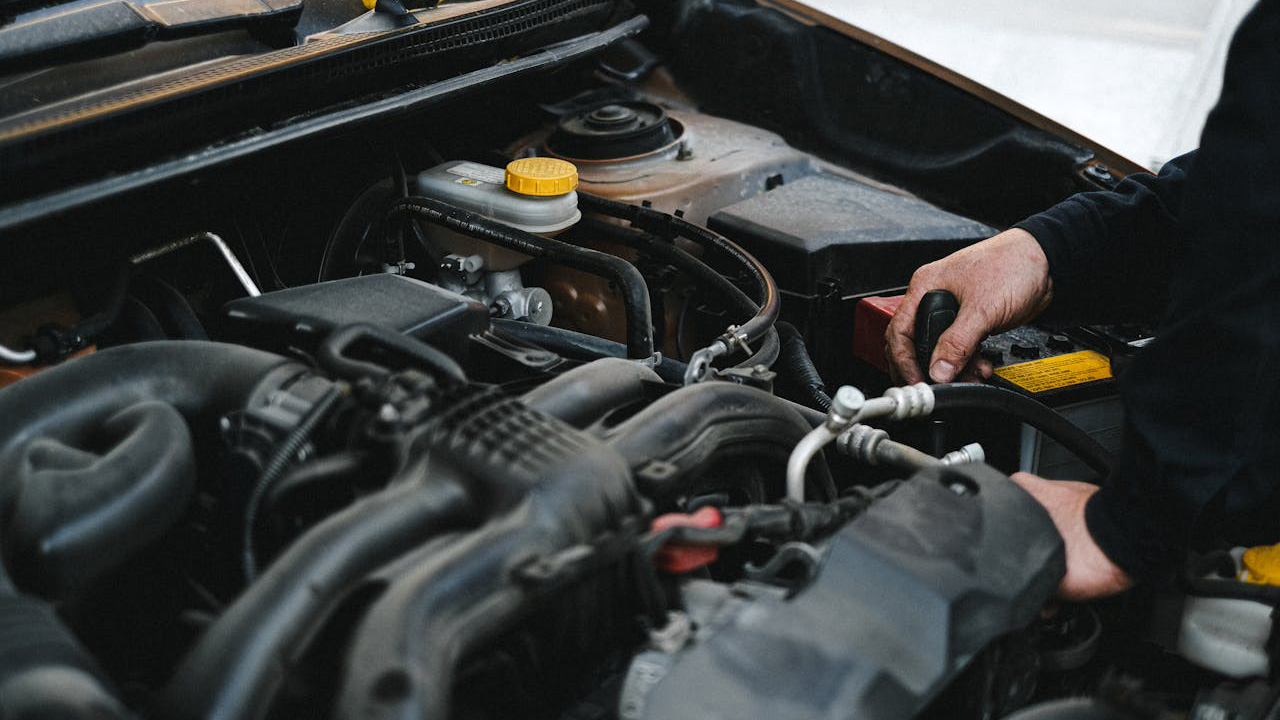
Cold weather is brutal on batteries, and a weak one that works fine in mild temperatures can fail completely during a deep freeze. You can tilt the odds in your favor without buying a new battery by changing how and where you use the car. One expert guide stresses that you should park in the garage when possible and drive your car regularly, because a battery that sits in the cold and only does short trips never has a chance to recharge fully.
If you park outside, small habits can still help. A winter battery checklist advises you to take proactive steps like keeping terminals clean and limiting short trips, which cost almost nothing and reduce the strain of cold starts. In practice, that means brushing off corrosion with a cheap battery brush, turning off accessories like heated seats until the engine is running smoothly, and combining errands so the alternator has time to replenish the charge instead of being asked to crank a frozen engine over and over.
Keep doors and locks from freezing shut
Frozen doors are one of the most frustrating cold weather failures, especially when you are tugging on the handle in work clothes while the wind cuts through you. The key is to keep water out of the seals and latches before the temperature drops, and to use simple lubricants that stay flexible in the cold. A practical how to guide explains that you should park smart to reduce exposure and wipe moisture from door seals before a storm, which can be as simple as running a dry cloth around the rubber after a wet commute.
For the locks and latches themselves, you do not need a specialty product if you are careful. A quick fix tip points out that you can prevent car doors from freezing with cooking spray by lightly coating the rubber seals so ice has a harder time bonding. If a lock does freeze, a step by step guide suggests you rub the key and lock with a de icing solution rather than forcing it, which reduces the risk of snapping a key or damaging the cylinder in the cold.
Stop ice from welding itself to your windshield
Preventing ice from forming on the glass is far cheaper and safer than chiseling it off in the morning. A practical guide to frozen windows notes that you can keep car windows from freezing overnight by covering the windshield and side glass or using a de icing spray, which saves time and reduces the chance of scratching the glass with an aggressive scraper. Even a simple piece of cardboard or an old sheet held in place by the wipers can create a barrier that peels away with the frost attached.
If you do not own a commercial de icer, you can mix your own on the cheap. One set of tips explains that you can mix your own car de icer and use cardboard or even a shower curtain as a makeshift cover, which turns household items into winter tools. Another guide recommends you mix three parts vinegar and one part water to create a spray that dissolves light frost on contact, though you should avoid using it on damaged glass or in very strong concentrations to protect wiper blades and trim.
Defrost without cracking or scratching the glass
Once ice is on the windshield, the way you remove it can either protect the glass or set you up for an expensive repair. A detailed look at winter damage warns that common ways ice damages your windshield even include scraping too hard, especially if there are already small chips that can spread into cracks. That is why you should always use a plastic scraper, never metal, and avoid pounding on the ice with the edge of the tool.
How you warm the car matters just as much. A set of winter car hacks notes that the best way to protect your windshield is to warm your car gradually, letting the defroster melt the ice from the inside instead of blasting hot air on a frozen surface. Another detailing guide emphasizes that stopping ice from forming in the first place is much easier than trying to remove it later, so combine gentle scraping with the preventive covers and sprays from the previous section instead of relying on brute force.
Cheap tricks to keep mirrors, handles and small parts moving
Side mirrors, door handles and tiny components like trunk latches often freeze before the rest of the car, but a few low cost hacks can keep them working. A set of winter weather car hacks suggests you cover your side mirrors with plastic bags overnight to prevent frost buildup, which can be as simple as slipping on grocery bags and securing them with rubber bands. That same idea works on wiper blades, which you can lift off the glass so they do not freeze down and tear when you turn them on.
For frozen locks and handles, you can repurpose items already in your pocket or glove box. A set of handy auto hacks points out that hand sanitizer does more than kill germs, because the alcohol can help melt ice in a frozen lock and let the key turn more easily. Another cold weather tip sheet notes that you should prevent ice grip and lock by lubricating locks and hinges before a freeze, which can be done with a small can of silicone spray that lasts for multiple winters.
Build a no frills winter kit from things you already own
Even if you rarely drive far, a deep freeze week is not the time to be caught without basic supplies in the car. You can assemble a functional winter kit mostly from items around the house, then fill in a few gaps with low cost purchases. A practical winter storm guide advises you to start with the basics and simply gather them together, such as blankets, flashlights and non perishable snacks, which you can move from your home emergency stash into the trunk for the coldest week.
Drivers who have lived through extreme cold often recommend the same essentials. One widely shared tip urges you to be prepared when driving in extremely cold weather by putting blankets, snacks and a small tool kit in your vehicle, which costs little if you repurpose older gear. A winter prep article also notes that you should start by gathering key items like an ice scraper, snow brush and jumper cables, all of which are inexpensive and can turn a minor breakdown from a crisis into an inconvenience.
Think like a freezer: manage moisture and temperature swings
Ice problems on your car are really moisture problems, so it helps to think the way you would when preserving food in a freezer. A guide to frozen produce notes that freezing is quite simple and you do not need a lot of equipment, but you do need to control air and moisture to avoid freezer burn, which is similar to the way trapped water around seals and under trim can expand and cause damage on your car. Another overview of frozen food explains that freezing is one of the simplest preservation methods and it requires the least equipment, a reminder that the real work is done by temperature, not fancy tools.
You can apply that logic by focusing on where water collects and how quickly temperatures change around your car. After a snowy drive, knock slush out of the wheel wells and door sills so it does not refreeze into solid blocks overnight, and crack the windows for a minute before you park to let humid air escape. A winter prep video that walks through how to prep your car for winter with 15 must know tips emphasizes simple habits like cleaning weatherstripping and drying floor mats, which cost nothing but dramatically reduce the amount of moisture that can turn into stubborn ice when the temperature plunges.
Use expert tips and DIY videos to stretch your budget
If you are trying to get through a deep freeze without spending much, the right tutorials can save you from trial and error. A detailed winter car hack video shows how to tackle icy mornings and cold weather problems with simple tools, from using household sprays on frozen locks to positioning your car so the sun helps with defrosting. Another short clip walks through quick DIY de icer ideas that rely on common ingredients, which lets you experiment with small batches instead of buying multiple commercial products.
As you sort through advice, focus on tips that align with the fundamentals already backed by winterizing guides and automotive checklists. A comprehensive winter prep article titled Why Winterizing Your Vehicle is Essential underlines that driving in snow and ice is safest when you combine preventive maintenance with smart habits behind the wheel, not when you rely on a single hack. Another cold weather checklist that starts with Here is a straightforward checklist reinforces the same message, encouraging you to pair low cost DIY tricks with regular checks of tires, fluids and battery so your car is ready for a full week of deep freeze, not just one icy morning.