
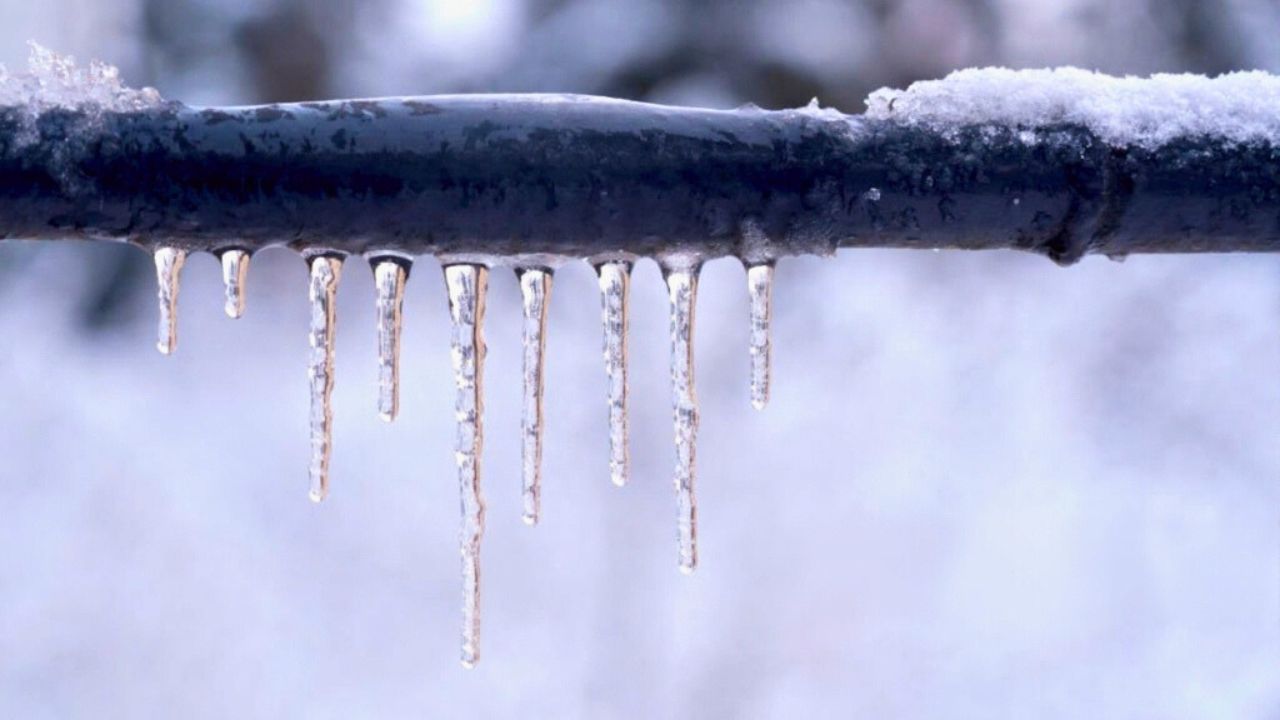
How to protect pipes during an arctic blast before it becomes a disaster
Photo credit: AnatolEr/istock.com
An arctic blast can turn a quiet winter night into a plumbing emergency in a matter of hours, and the repair bill often arrives long after the ice has melted. Protecting your pipes is less about fancy gear and more about doing a handful of simple things before temperatures plunge. If you act early, you can keep water flowing, avoid structural damage, and turn a potential disaster into a non‑event.
The core strategy is straightforward: keep vulnerable pipes warm, moving, and insulated from the cold. That means sealing drafts, adding basic pipe insulation, managing your thermostat, and using controlled dripping where it makes sense. With a clear checklist and a little preparation, you can ride out even a severe cold snap without waking up to a soaked ceiling or a flooded crawl space.
Know where your home is most at risk
Your first job is to figure out which parts of your plumbing are most likely to freeze so you can focus your time and money where they matter. Pipes that run through unheated or poorly insulated spaces, such as attics, crawl spaces, garages, and exterior walls, are the ones that typically fail first. In one televised demonstration, reporter Matt Fernandez walked through a kitchen and highlighted how even indoor plumbing can be vulnerable when cabinets sit on an outside wall and cold air seeps in around the sink, a reminder that risk is not limited to basements or outdoor spigots, and that Jan cold snaps can expose hidden weak spots in otherwise comfortable homes.
Look for any stretch of pipe you can see that feels cold to the touch or sits near a draft, including lines that feed washing machines, dishwashers, and bathroom sinks on upper floors. Guidance that focuses on Hot and cold water pipes in unheated areas underscores that these runs need extra attention, whether they are in a garage ceiling or tucked behind a thin exterior wall. Once you map those vulnerable sections, you can prioritize insulation, heat, and dripping strategies where they will do the most good instead of guessing in the middle of a storm.
Insulate exposed pipes before the temperature plunges
Insulation is one of the cheapest and most effective defenses you have, and it works best when you install it before the first arctic blast hits. Foam sleeves, fiberglass wraps, and even specialized “pipe sleeve” products create a buffer between frigid air and the water inside your plumbing, slowing heat loss so temperatures do not drop to the freezing point as quickly. Recommendations that urge you to Insulat vulnerable lines are not about making pipes warm to the touch, they are about buying time so short overnight lows do not turn into ruptures by morning.
You do not need to be a contractor to get this right. Step‑by‑step advice that encourages you to Gather Your Supplies at a local hardware store, then cut and snap foam sleeves over accessible pipes, shows how a few hours of work can protect entire runs. Focus first on pipes in unheated basements, crawl spaces, and garages, then move to those in exterior walls under sinks. Tape seams, cover elbows with preformed pieces or extra wrap, and remember that even a thin layer of insulation can go a long way when combined with indoor heat and other precautions.
Use your thermostat and home layout to your advantage
Heat is your most powerful tool, and how you manage it during an arctic blast can determine whether pipes stay intact. Instead of letting your thermostat drop significantly at night, keep it at a steady setting so interior walls and cavities never get a chance to cool to dangerous levels. Guidance that urges you to Keep thermostats at a consistent temperature is rooted in the reality that big swings force your heating system to play catch‑up while pipes sit in cold pockets for hours.
Small layout tweaks also matter. Opening cabinet doors under kitchen and bathroom sinks lets warm room air circulate around pipes that might otherwise be trapped in chilly boxes, especially when those cabinets sit on exterior walls. Consumer advice that walks through steps like cracking doors, moving stored items away from plumbing, and even relocating harmful cleaners if you have small children, all while you Turn on the faucet in targeted spots, shows how a combination of steady heat and smart airflow can keep vulnerable sections just warm enough to avoid freezing.
Let faucets drip, but do it strategically
Allowing water to move through your pipes is a classic tactic, but it works only if you do it correctly and in the right places. The goal is not to waste water, it is to keep a slow trickle flowing so pressure never builds behind an ice plug and the moving water is harder to freeze. One winter briefing known as The Brief advised homeowners to Keep a slow trickle
Experts who focus on how to drip properly emphasize that you do not need a stream, only a slight flow. Guidance labeled as a Recommended Drip Rate
Seal drafts and protect outdoor plumbing
Cold air sneaking into your home can undo much of your other work, so sealing drafts is a critical part of your plan. Check around hose bibs, sill plates, and any place pipes pass through exterior walls for gaps that let icy wind blow directly onto metal. Simple materials like caulk, expanding foam, and weatherstripping can block those leaks, while insulated covers on outdoor spigots add another layer of protection. Advice that urges you to wipe down and wrap exterior lines, noting that Wipe down the pipes
Outdoor irrigation systems and pool lines are especially vulnerable because they often sit in shallow trenches or above ground. Guidance that begins with How to Protect Pipes From Freezing
Learn from costly insurance claims and past cold snaps
Frozen pipes are not just a nuisance, they are a major driver of insurance losses, and the numbers show how quickly damage adds up. In one televised segment that walked through basic prevention steps, a representative explained that since the beginning of the year they had already paid out 10.8 million dollars for approximately 635 claims tied to cold‑weather plumbing failures. That clip, which urged viewers to avoid their pipes from freezing amid an arctic blast, made clear that those 10.8, 635
Past cold snaps have also shown that damage is often concentrated in homes that skipped basic preparation. When temperatures plunge rapidly, uninsulated pipes in attics and crawl spaces can freeze in a matter of hours, and once they thaw, the resulting leaks may go unnoticed until ceilings sag or water pours into living spaces. Insurance and emergency guidance that stresses simple steps like keeping interior doors open, maintaining steady heat, and installing inexpensive pipe sleeves is rooted in those hard lessons, and it is why you see repeated emphasis on actions such as using a kitchen demonstration
Prepare your home days, not hours, before the arctic blast
The timing of your actions matters almost as much as the actions themselves. You should treat the first forecast of an arctic outbreak as your starting gun, not a background detail, because hardware stores can sell out of key supplies and plumbers book up quickly. Guidance that frames preparation as something to do Before the cold arrives, such as draining seasonal lines, insulating exposed pipes, and checking that your main shutoff valve works, is designed to keep you from scrambling in the final hours when temperatures are already dropping and roads may be slick.
Think in terms of a simple countdown. Several days out, walk your property, identify vulnerable pipes, and pick up insulation and faucet covers. A day or two before the coldest night, install those materials, seal obvious drafts, and adjust your thermostat strategy. On the day the arctic blast hits, shift to active measures like dripping faucets and opening cabinets. Advice that packages these steps into a clear winter checklist, including reminders from Jan guidance that you should Before the
What to do if a pipe still freezes
Even with careful preparation, extreme cold can still freeze a pipe, and how you respond can determine whether you avoid a rupture. If you turn on a faucet and only a trickle comes out, leave it open so pressure does not build behind any ice blockage. Then, trace the line as best you can to find the likely frozen section, which is often in an unheated area or near an exterior wall. Safety‑focused advice that walks through thawing steps warns you to avoid open flames or high‑heat tools and instead use safer options like a hair dryer, portable space heater, or warm towels, keeping the heat source moving and never leaving it unattended so you do not accidentally start a fire
As the pipe thaws, watch for leaks and be ready to shut off your home’s main water supply if you see any spraying or dripping. It is also wise to know in advance where that main valve is located, whether it is in a basement, crawl space, or utility closet, so you are not hunting for it in the dark with water pouring onto your floor. Emergency preparedness guidance that covers how to Protect Pipes From Freezing
Build long‑term resilience for future winters
Once you get through one arctic blast, it is tempting to move on, but the smartest move is to turn short‑term fixes into long‑term upgrades. If you discovered that certain rooms ran cold or specific pipes froze despite your efforts, consider adding permanent insulation to walls, upgrading windows, or rerouting exposed plumbing to interior spaces. Guidance that encourages you to AAA lists seven ways
For outdoor systems, you can install frost‑proof hose bibs, bury irrigation lines deeper, or add dedicated shutoff valves that make it easier to drain and isolate vulnerable sections before cold weather. Advice from Jan guidance that begins with At All American Irrigation Systems San Antonio and explains how to wrap and protect irrigation components, along with tips that remind you to At All American Irrigation Systems San Antonio


