The airline rebooking trick that works better than waiting on hold
Photo credit: rawpixel.com/Freepik.com
When a flight melts down, the worst place to be is stuck in a phone queue while every other stranded passenger races ahead of you. The fastest travelers to rebook are the ones who know a simple workaround: skip the main customer service bottleneck and tap into channels that agents staff but most passengers ignore. Instead of waiting on hold, you can quietly jump the line by using a mix of apps, chat, and lesser-known phone numbers that reach the same systems with far less competition.
Airlines have quietly rebuilt their customer service playbook around digital tools, and that shift gives you leverage if you know where to look. By treating rebooking like a time-sensitive puzzle and working every angle at once, you can often secure a seat on the next flight while other travelers are still listening to hold music.
Why waiting on hold is now the slowest option
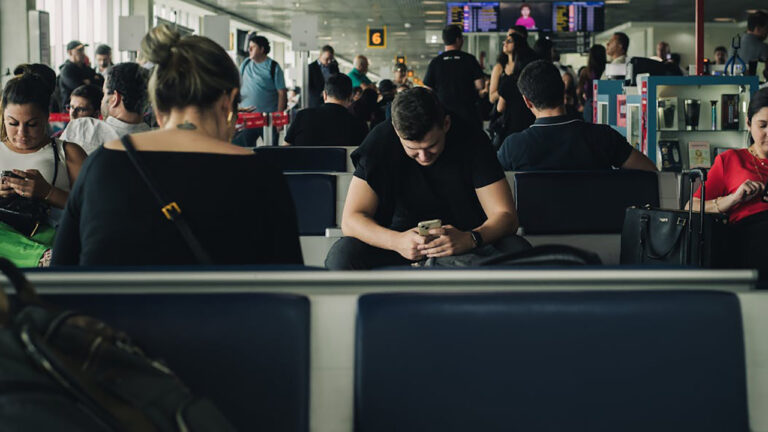
When a major delay or cancellation hits, thousands of passengers are funneled into the same narrow channels, especially the main U.S. customer service number. Phone systems quickly hit capacity, which is why you hear recorded messages about “unusually high call volume” while the clock ticks and seats on alternative flights disappear. In that crunch, the traditional advice to simply call and wait leaves you competing with everyone else who had the same idea, even as agents in other channels sit with lighter queues.
Experienced travelers now treat the phone as just one tool among several, not the default. In a widely shared thread, one frequent flyer described how they would still Call and wait on hold, but only while also hammering the app, chat, and airport desk at the same time. That kind of multitasking matters because airline agents across different platforms are all drawing from the same inventory of seats, and the first request that hits an open agent wins.
The real trick: call the airline’s international numbers
The most powerful rebooking shortcut is hiding in plain sight: the airline’s foreign customer service lines. When U.S. operations melt down, domestic call centers get swamped, but overseas offices in places like Canad, Mexico, Spain, or Singapore are often far less busy and use the same reservation systems. Travel experts such as Keyes have pointed out that if you need to speak with an agent but face brutal waits, you should call the airline’s international numbers in countries like Canada or Singapore instead of sitting in the U.S. queue.
Other specialists echo the same tactic, noting that Airlines maintain staffed offices in Canad and beyond that can fully service your reservation even if you are standing in a U.S. airport. Ewen, who advises travelers on handling cancellations, recommends dialing those overseas numbers as a lesser-known but highly effective move when your flight is canceled or badly delayed, since the agents can rebook you, process refunds, and handle schedule changes just like their domestic colleagues. By reaching out to these international lines, you are still working with the same airline, just stepping into a shorter line that most passengers never think to use, which is exactly why this trick works better than waiting on hold with everyone else.
Use every channel at once, not one after another
Speed matters more than anything when flights start disappearing, so you should treat rebooking as a race and use every available channel simultaneously. Travel pros urge you to Move quickly to rebook by getting in the customer service line at the airport, opening the airline app, and starting a chat session all at the same time, rather than trying one option, failing, and then moving to the next. That multi-channel push dramatically increases the odds that one agent, somewhere in the system, will grab your request and get you on the next flight before the last seats vanish.
Several guides to handling cancellations now describe this as the standard playbook. One advisory notes that you should Contact the airline immediately when a cancellation is announced, then pursue a multi-channel approach that includes phone, app, and even automated tools that can search for alternatives. Another set of tips frames it as a simple rule: while you are standing in line, you should already be working the app and chat, because the first channel that connects you to a live agent is the one that will save your trip.
Why apps and chat now beat the airport desk
Airlines have spent the last few years quietly shifting customer support toward digital platforms, which means the fastest help is often in your pocket, not at the gate. Industry research into Airline social customer care shows that carriers are pouring energy into Instagram, while engagement on Facebook and Twitter lags behind, and that the Average number of questions handled through these digital channels keeps rising. That same Methodology highlights how Jun and other analysts now track response times and resolution rates on social platforms as closely as traditional call center metrics, a sign of where airlines expect you to show up.
Separate data from the same ecosystem backs up the idea that messaging beats waiting in line. One report found that Emplifi Finds Airline Response Rates to Customer Questions on Instagram Increased significantly Since Last Year, which means agents are now more likely to respond quickly when you slide into a carrier’s DMs than when you call a congested phone line. Combined with the ability to share screenshots of your itinerary and proposed alternatives, that makes in-app chat and social messaging a faster, clearer way to get rebooked than hoping the lone gate agent can work through a line of fifty people before your options disappear.
Multitask like a pro while everyone else stands in line
Once a cancellation hits the departure board, your goal is to work more angles than the passengers around you. Travel reporter Chris Dong advises you to Multitask instead of choosing a single path: While you are standing in line at the customer service desk, you should open the airline app and try to rebook yourself, and if that fails, use chat support to get help from an agent who is not dealing with the crowd in front of you. That layered approach means you are never wasting time, because every minute in line is also a minute your phone is working on your behalf.
Other experts describe a similar rhythm. One video guide framed the first step with a single word, Immediately, urging you to secure backup reservations using miles or flexible tickets the moment you sense trouble, then or try calling a foreign customer service line for the airline since the wait times there are often shorter and reps speak English. The same clip, labeled with the prompt What should you do when facing delays and cancellations, walks through how booking a backup seat and then working the phones and apps in parallel can keep you from getting stranded. The pattern is clear: the travelers who win are the ones who treat every spare second as a chance to open another door into the airline’s system.
Know your rebooking rights before you negotiate
Even the best trick is more effective when you understand what the airline owes you and what is negotiable. When a carrier cancels your flight or makes a major schedule change, it typically has specific commitments to get you to your destination, and knowing those rules gives you leverage when you finally reach an agent. Some advisory services stress that understanding airline rebooking commitments helps you push for a better outcome, especially when the disruption is an involuntary schedule change that triggers extra protections or compensation.
Corporate travel guidance takes a similar view, especially for business trips where time is money. One playbook for companies urges travelers to gather information on alternative flights and Compare options in-app before they even speak to an agent, because Rebooking the next flight is usually preferred where possible and Airlines will usually prioritize getting you to your meeting over leaving you overnight at a hub. Another consumer-focused guide notes that when your flight is canceled, you should immediately search for alternative flights yourself, then present those options to the agent you reach, whether by phone, chat, or an international hotline, so you are not relying on a rushed employee to do all the thinking for you.
How to spot trouble early and move before the crowd
The smartest rebooking move is often the one you make before the official cancellation notice hits your phone. Seasoned travelers watch for warning signs like rolling delays, crew timing issues, or severe weather along the route, then act before the airline formally pulls the plug. One detailed guide on disruption strategy bluntly advises: do not get in the customer service line at the gate, because that is the slowest option, and instead Immediately call the airline’s international numbers or use digital channels as soon as you suspect your flight is at risk.
Other experts echo that early-warning mindset. Ewen, who has walked travelers through what to do if a flight is canceled, recommends monitoring your flight status closely and being ready to pivot to those overseas numbers the moment a serious delay appears, since Airlines have offices in Canad and other countries that can help even before the gate agents make an announcement. Another set of tips on how to know if your flight is canceled before they tell you reinforces the idea that the earlier you move, the more inventory you have to work with, which makes every alternative route, seat, and connection easier to secure.
Business travelers: build a playbook before wheels up
If you travel for work, you have even more reason to master the rebooking shortcut before you leave home. Corporate travel programs increasingly expect employees to handle disruptions on the fly, using tools that let them Compare alternative flights in-app and rebook themselves within company policy. One business travel resource spells it out: Rebooking the next flight is usually preferred where possible, and Airlines will usually help you avoid an overnight stay at a hotel if you can show them a workable same-day option that fits their rules.
Sports organizations that move entire teams have turned this into a formal strategy. A guide to keeping flight cancellations from causing turbulence in sports travel highlights a simple Pro tip: If the U.S. customer service phone line has an extended wait time, call the airline’s international hot line instead, because those agents can often rebook a whole group faster than a swamped domestic desk. For business travelers, the lesson is the same as for athletes: program those overseas numbers into your phone, know your company’s flexibility on routing and cabins, and be ready to execute your plan the moment a disruption hits instead of scrambling from scratch in a crowded terminal.
Social media, automation, and what comes next
The rebooking trick that beats waiting on hold is part of a broader shift in how airlines handle customer care. Industry analysis of Airline social customer care strategies in 2025 notes that carriers are boosting engagement on Instagram while Facebook and Twitter lag, and that Jun and other analysts now treat Instagram as a frontline support channel rather than a marketing afterthought. That same Methodology tracks how the Average number of questions handled through social platforms keeps climbing, which means more agents are being trained to solve real problems in your DMs, not just respond to complaints in public.
Automation is quietly joining the mix as well. Some services now let you plug in your itinerary so that when a disruption hits, a bot can search for alternatives and even hold seats while you confirm, mirroring the advice to Contact the airline immediately and pursue multiple channels at once. As these tools mature, the core principle will stay the same: you will still gain the biggest advantage by stepping away from the main U.S. phone queue and using every other doorway into the airline’s system, from international hotlines to Instagram chat. The passengers who understand that architecture, and who are willing to act quickly across channels, will keep finding seats while everyone else is still listening to hold music.