10% of TSA officers missed work Sunday, U.S. says, as shutdown strain hits airports
Photo credit: Leonard Zhukovsky/Shutterstock.com
More than one in ten Transportation Security Administration officers failed to report for work on Sunday as the federal government shutdown stretched into its fourth week, according to the Trump administration, raising new concerns about airport security capacity just as spring travel begins to ramp up. The unusually high absentee rate is one of the clearest signs yet of operational strain inside a key federal workforce that has continued working without pay since funding lapsed. Reuters reported that the figure far exceeds normal absence levels and reflects growing pressure on frontline employees tasked with keeping airport security lines moving.
Under ordinary circumstances, fewer than 2% of TSA officers miss work on a given day, according to the Department of Homeland Security. But since the shutdown began in mid-February, absentee rates have surged at major travel hubs. Reuters reported that airports including Atlanta, New York’s John F. Kennedy International Airport and Houston have seen absence rates climb to roughly 20% during the shutdown, with even higher spikes on certain days. In Houston, absences topped 50% on both Sunday and Monday, while New Orleans and Atlanta saw more than 30% of officers miss shifts, creating visible slowdowns in passenger screening.
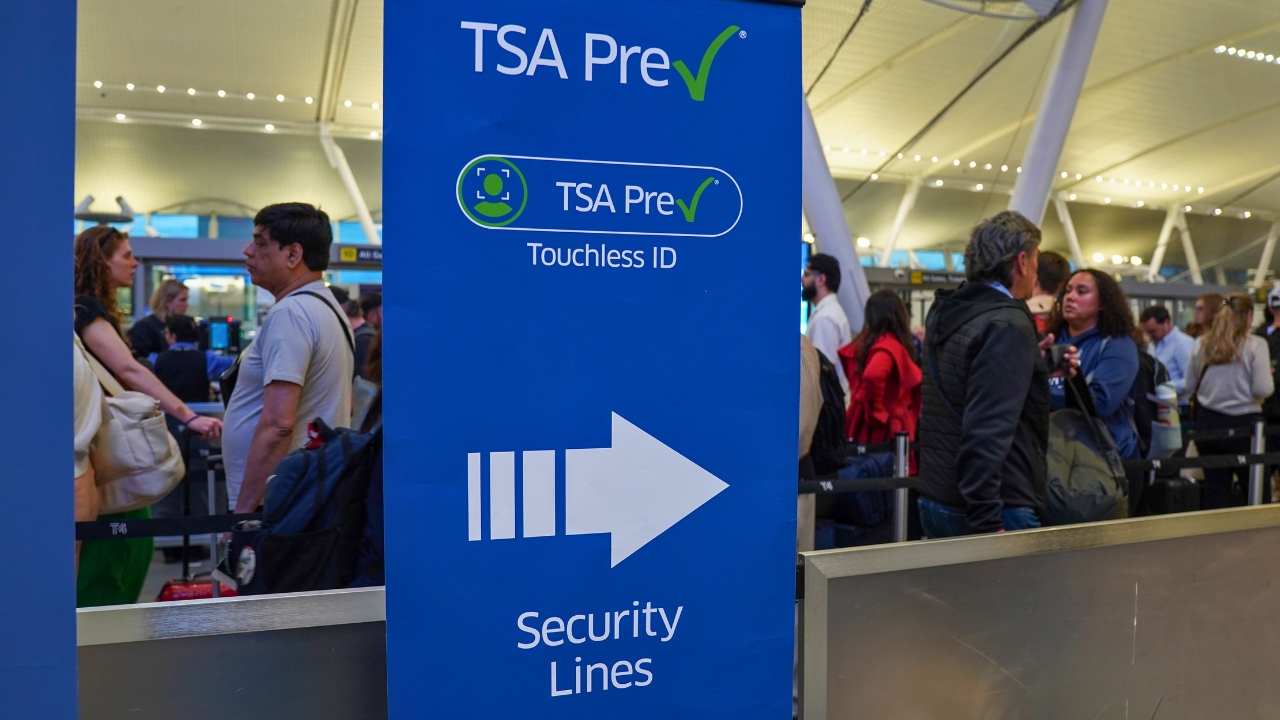
Those staffing gaps are beginning to translate into real-world consequences for travelers. Passengers at several major airports have reported significantly longer wait times, with some security lines stretching to two hours or more. Airlines have warned that the situation could worsen if the shutdown continues, especially as travel demand increases heading into spring break. Reuters reported that U.S. airlines expect roughly 171 million passengers to fly during the spring travel season, a 4% increase compared with the same period last year. That surge in demand is colliding with a workforce under financial and emotional strain, creating a scenario where delays could become more widespread and unpredictable.
The shutdown has left tens of thousands of TSA officers working without pay, a situation that has forced many to make difficult personal decisions. Some workers have taken second jobs or sought financial assistance to cover basic expenses, while others have been unable to report to work due to the immediate impact on household finances. The 10% absence rate reported Sunday is widely seen as a reflection of that pressure rather than a sudden shift in workforce discipline. 366 TSA officers have already left the agency during the shutdown, a sign that retention may become a longer-term issue if the funding impasse drags on.
The political standoff driving the shutdown centers on a broader disagreement between Congress and the White House over immigration enforcement and funding priorities. Negotiations have repeatedly stalled, leaving key parts of the federal government unfunded. While TSA officers are classified as essential workers and must continue reporting for duty, they are not being paid during the shutdown, a dynamic that has historically led to rising absenteeism the longer funding gaps persist. The current shutdown has now reached 30 days, placing it among the longer disruptions in recent U.S. history and increasing the likelihood of deeper operational impacts.
Airports are particularly vulnerable to these effects because security screening requires a steady flow of trained personnel working in coordination. Even small staffing shortfalls can cascade into larger delays, especially during peak travel periods. The TSA has implemented contingency measures, including adjusting staffing schedules and deploying additional resources where possible, but those steps have limits when overall workforce availability is reduced. The combination of high absentee rates and increased travel demand has already led to extended wait times at multiple major airports, suggesting that the system is operating with little margin for further disruption.
Airline executives are increasingly concerned about the potential for broader travel disruptions. Several carriers have urged lawmakers and the administration to reach a funding agreement quickly, warning that prolonged instability could affect not only passenger convenience but also operational reliability. Delays at security checkpoints can ripple through the entire air travel system, leading to missed connections, flight delays and scheduling challenges. Airline leaders have highlighted the importance of maintaining a stable and adequately staffed security workforce, particularly during high-volume travel periods.
The situation also raises questions about longer-term workforce sustainability at TSA. Even after the shutdown ends, the agency may face challenges in rebuilding staffing levels if significant numbers of officers leave or if morale remains low. Recruiting and training new officers takes time, and the specialized nature of airport security work means that replacing experienced personnel is not a quick process. The reported departure of hundreds of officers during the shutdown suggests that some workers are already choosing to leave rather than endure prolonged uncertainty.
For travelers, the immediate impact is more tangible. Longer lines, earlier arrival recommendations and increased uncertainty have become part of the airport experience during the shutdown. TSA and airlines are advising passengers to allow extra time for security screening, particularly at major hubs where staffing shortages have been most pronounced. While the system has not yet reached a breaking point, the trends reported suggest that continued strain could push operations closer to that threshold if conditions do not improve.
As negotiations continue in Washington, the situation at airports will likely remain a key indicator of how the shutdown is affecting everyday life. Security lines and staffing levels are highly visible metrics, making them a focal point for both public attention and political messaging. Lawmakers on both sides of the aisle have cited airport disruptions as evidence of the shutdown’s impact, though they continue to disagree on how to resolve the underlying issues. The administration and congressional leaders remain at an impasse, leaving travelers and TSA workers caught in the middle of a dispute with no immediate resolution in sight.

Abbie Clark is the founder and editor of Now Rundown, covering the stories that hit households first—health, politics, insurance, home costs, scams, and the fine print people often learn too late.