The airline fare that looks cheaper until the final screen
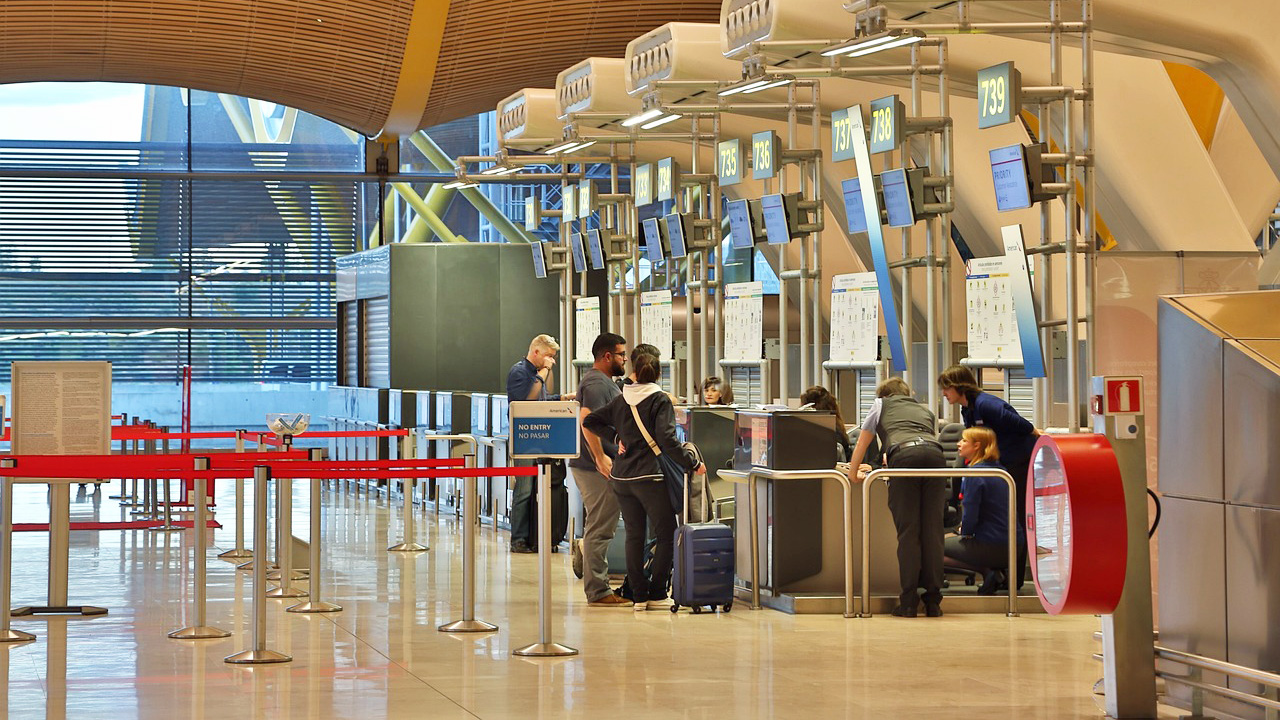
Photo credit: frank2016wang/Pixabay.com
Airline tickets often look like a bargain when you first search, then balloon in price just as you are ready to pay. What starts as a clean, low fare can morph into a far more expensive trip once you add a seat, a bag, or even the right to board with your family. You are not imagining that late-stage sticker shock, you are running into a deliberate pricing strategy that hides the real cost of flying until the final screen.
The illusion of the first price you see
When you type your dates into a booking site and see a tempting fare, you are usually looking at only part of what you will ultimately pay. Airlines know that you are scanning a list of prices side by side, so they have a strong incentive to keep that first number as low as possible, even if it means stripping out things you reasonably expect to be included. That is why the fare that looks like a deal at the search stage can feel like a bait and switch by the time you reach the payment page, a frustration that travel expert Scott Keyes has described as passengers feeling “nickel-and-dimed” once all the extras appear.
Economists and regulators describe this pattern as a form of “drip pricing,” where the full cost of a product is revealed only in stages instead of up front. In an Event Description focused on the economics of this technique, researchers defined drip pricing as advertising only part of a price and then adding mandatory or near-mandatory charges later in the process. When you see a fare that looks cheaper until the last step, you are experiencing that technique in real time, with each click uncovering another piece of the true total.
How drip pricing works in airline bookings
In practice, drip pricing in air travel unfolds as a sequence of small decisions that do not feel optional once you are invested in a specific flight. You might start with a base fare that technically covers transportation from point A to point B, then be asked to pay extra to choose a seat, to bring a carry-on bag, or to check luggage. Each of these add-ons is presented as a separate choice, but if you are traveling with a child or on a long trip, declining them is not realistic. The result is that the price you thought you were paying at the search stage is only the first layer of a much larger bill.
Regulators studying drip pricing have noted that this technique can change how you evaluate offers, because you anchor on the initial low number and then mentally discount the impact of later fees. Airlines have adapted this model to compete with ultra low cost carriers, a shift that Scott Keyes has linked to the rise of “unbundled” fares where services that used to be standard are now sold separately. By the time you reach the final screen, the fare that first caught your eye may bear little resemblance to the total you are about to authorize on your credit card.
Why airlines lean on fees instead of higher base fares
From the airline’s perspective, keeping the base fare low and shifting revenue into fees is a way to stand out in crowded search results. When you compare flights on a site like Google Flights or an online travel agency, the algorithm usually sorts by the headline price, not by what you will pay after you add a bag and a seat. If one carrier includes more in the base fare and another strips it out, the stripped-down option will often appear cheaper, even if the final cost is the same or higher. That dynamic pushes airlines toward a model where the ticket price is only part of the story and fees do more of the financial heavy lifting.
Industry analysts and consumer advocates have pointed out that this shift accelerated as traditional airlines tried to match the pricing of budget competitors without fully adopting their bare-bones service. Scott Keyes has described how major carriers began copying the fee-heavy structure of low cost rivals in order to “compete with budget carriers,” turning once-inclusive tickets into a patchwork of optional charges. Research on drip pricing suggests that firms use this approach because it can increase profits even if some customers are annoyed, as long as enough people follow through to the end of the purchase funnel.
The psychology that keeps you clicking “continue”
Even when you sense that the price is creeping up, you are likely to keep going, and that is part of why drip pricing is so effective. Once you have entered your name, picked a flight time, and maybe turned down a few extras, you have already invested time and effort into this specific booking. Behavioral economists call this “sunk cost” thinking, and it makes you more willing to accept an extra fee rather than abandon the process and start over with a different airline. The design of booking flows, with progress bars and multiple steps, reinforces that feeling that you are too far in to back out.
Regulatory research into drip pricing has highlighted how revealing costs gradually can distort your perception of value. When you see a low initial fare, you anchor on that number and mentally frame later charges as small add-ons, even if they add up to a large share of the total. Scott Keyes has emphasized that this leaves travelers feeling misled, because the price they thought they were agreeing to at the start is not the one they end up paying. The technique works precisely because it exploits predictable human biases, not because you failed to read the fine print.
Seat selection, bags, and the new definition of “optional”
Some of the most contentious airline fees are tied to services that many passengers see as basic, such as sitting with family members or bringing a standard carry-on bag. You might be told that seat selection is optional, but if you are traveling with a child and the system scatters your assigned seats across the cabin, paying to choose seats becomes less a luxury and more a necessity. Scott Keyes has described how travelers feel particularly stung when they realize that the low fare they chose will not let them sit together without paying extra, even though they assumed that was part of the deal.
Bag fees follow a similar pattern, especially on carriers that charge for both checked and carry-on luggage. The base fare might look attractive until you factor in the cost of bringing a suitcase that fits your trip, at which point the “cheaper” ticket can surpass a rival that included a bag from the start. Analysts studying drip pricing note that labeling these charges as optional allows firms to keep them out of the headline price, even when a large share of customers will pay them in practice. For you as a traveler, the line between optional and unavoidable can feel more like a legal fiction than a real choice.
Regulators’ growing focus on hidden and late-stage fees
As drip pricing has spread from airlines to hotels, ticketing platforms, and other sectors, regulators have started to scrutinize how these fees are presented. Consumer protection agencies have raised concerns that advertising only part of a price and revealing the rest later can be deceptive, especially when the omitted charges are mandatory or nearly universal. The Event Description on drip pricing research emphasized that this technique can harm consumers by making it harder to compare offers and by nudging them into purchases they might have rejected if they had seen the full cost up front.
Airline practices have become a high profile example in these debates, because the gap between the advertised fare and the final total can be stark. Scott Keyes has argued that clearer disclosure of fees earlier in the booking process would reduce the sense of bait and switch that many travelers report. Research on drip pricing has explored potential remedies, such as requiring firms to display the full price, including unavoidable fees, at the first point of contact. For now, though, you often bear the burden of clicking through multiple screens to discover what your trip will really cost.
How drip pricing distorts competition and comparison shopping
When airlines rely heavily on drip pricing, it does not just affect your wallet, it also reshapes how carriers compete with one another. If some airlines include more services in the base fare while others strip them out, the search results you see will favor the most aggressively unbundled offers, not necessarily the best value. That can punish companies that choose to be more transparent, because their all-in prices look higher at first glance even if they are cheaper once you add bags and seats to the bare-bones options. Over time, this dynamic can push the entire market toward the same fee-heavy model.
Researchers examining the economics of drip pricing have warned that this technique can undermine effective comparison shopping by making it harder for you to see which offer is truly cheaper. Scott Keyes has noted that travelers often feel trapped between confusing fare classes and a maze of add-ons, which can lead them to default to familiar brands rather than carefully weighing total costs. When the fare that looks cheapest at first is not the one that is cheapest in reality, the market signal you rely on to make decisions becomes noisy, and airlines that master the art of partial pricing can gain an edge over those that price more straightforwardly.
Strategies you can use to see the real cost sooner
Even if you cannot change how airlines structure their prices, you can adjust how you shop so you are less likely to be surprised at the last step. One practical approach is to build your own “all-in” comparison by mentally adding at least one checked bag or carry-on and a standard seat selection to every fare you consider, unless you are certain you will not need them. That way, you are comparing realistic totals instead of idealized base fares that only apply if you travel with no luggage and accept any seat assignment. Scott Keyes has encouraged travelers to think in terms of the complete trip cost, not just the number that shows up in bold on the first search page.
You can also use filters and fare class descriptions more aggressively, favoring options that explicitly include bags or seat selection when those matter to you. Some booking tools now highlight “no change fee” or “carry-on included” as separate attributes, which can help you avoid the most aggressively stripped-down products. Insights from drip pricing research suggest that seeing the full cost earlier leads to better decisions, so you can mimic that by clicking through to the final price on a few competing flights before you commit. The more you train yourself to look past the first number, the less power that low teaser fare has over your choices.
What to watch for on the final screen before you pay
The last page before you enter your payment details is often where the full impact of drip pricing becomes visible, so it pays to slow down and read it carefully. At this stage, you should check whether the total includes all taxes and mandatory fees, confirm that any bags or seats you thought were included are actually listed, and look for preselected extras such as travel insurance or priority boarding. Airlines sometimes default you into add-ons that you have to actively remove, which can inflate the total without you realizing it if you are rushing to finish the booking.
Consumer advocates drawing on drip pricing research recommend treating this final screen as your true point of comparison, not the earlier search results. Scott Keyes has highlighted that this is where travelers often feel the sting of nickel-and-diming, because the cumulative effect of each small fee becomes undeniable when you see the grand total. If the number on that page is far higher than you expected, it can be worth backing out and checking whether a different fare class or even a different airline offers a better all-in price. The fare that looked cheaper until the final screen is only a bargain if it still holds up once every unavoidable cost is in view.

Abbie Clark is the founder and editor of Now Rundown, covering the stories that hit households first—health, politics, insurance, home costs, scams, and the fine print people often learn too late.