The freeze watch spreading across Texas and what it means for drivers
Photo credit: Irvin Acevedo/Pexels.com
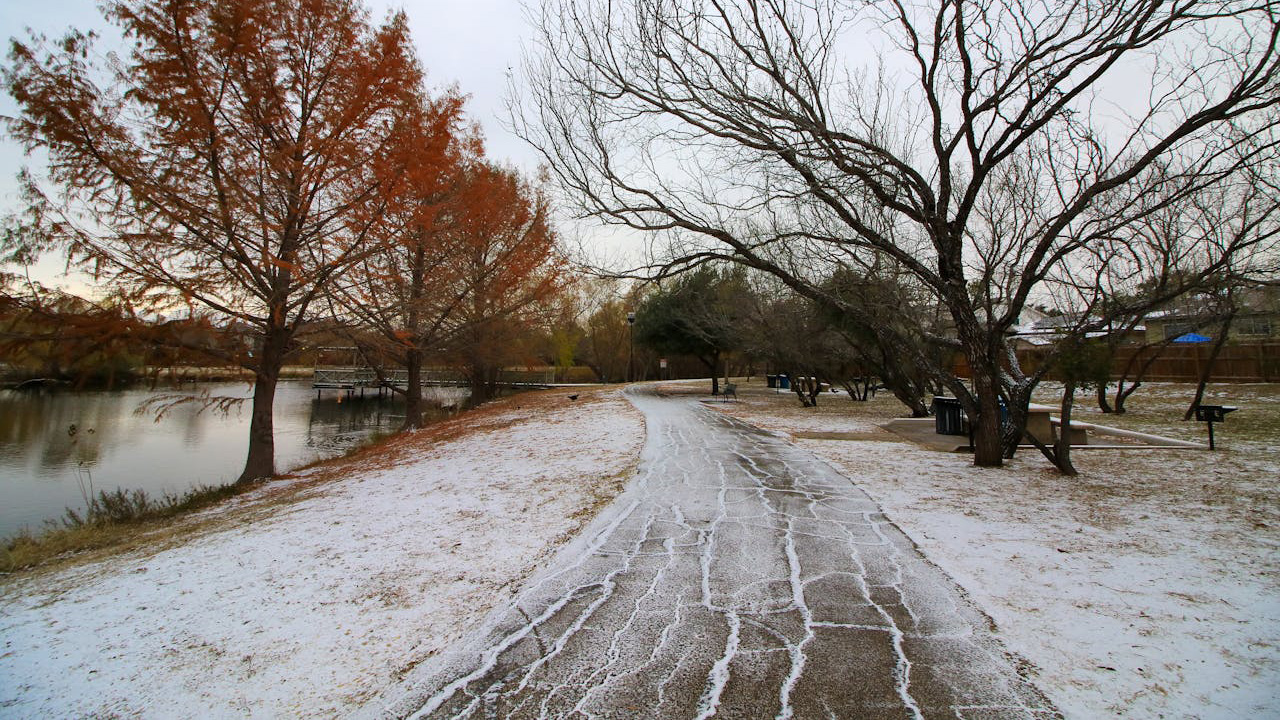
Freezing air is spilling across Texas, and for drivers that shift from mild to bitter cold can be more dangerous than a typical rainstorm. As a freeze watch expands from the Hill Country to the coastal plain, you are likely to face slick bridges, black ice and cars that are not ready for a hard chill. Understanding what this pattern means for your daily commute is the difference between a routine trip and a roadside emergency.
The current cold snap is not just a weather story, it is a transportation story that touches everything from how fast you drive to how you pack your trunk. With temperatures dropping below freezing in multiple regions, you need a clear plan for when to stay off the road, how to adjust your driving when you cannot, and what to do if something goes wrong in the middle of a dark, icy morning.
Where the freeze watch is spreading across Texas
The latest alerts show freezing temperatures pushing deep into South Central Texas, catching drivers in places that usually only flirt with frost. A formal Freeze Warning has been issued for Atascosa, Frio, Karnes, Medina and Wilson counties, with forecasters expecting temperatures to dip into the upper 20s. That kind of cold is enough to freeze standing water on bridges and overpasses, especially before sunrise when traffic is light and road spray is minimal.
Those five counties sit in a corridor that stretches from the brush country north of the Rio Grande through the outskirts of San Antonio, so the warning affects everyone from rural ranch traffic to suburban commuters. If you live or work in Atascosa or Karnes counties, or commute through Medina and Wilson, you are squarely inside the zone where a routine early drive could intersect with ice on shaded stretches of highway. Even if your neighborhood streets look dry, the elevated ramps that connect farm roads to Interstate 37 or Interstate 35 can glaze over first.
San Antonio, the I‑35 corridor and expanding alerts
San Antonio sits at the heart of this cold pocket, and the city’s drivers are already seeing the ripple effects in school schedules, work commutes and late night travel. Regional alert maps list multiple warnings in effect, including a Freeze Warning for Frio County that underscores how quickly temperatures along Interstate 35 can crash before dawn. When the air over the Edwards Plateau drains south, it tends to pool in low spots and river valleys, which means the same cold front can feel harsher on the south side of town than it does on the north side hills.
As the air mass spreads, it is not just the urban core that has to adapt. Smaller communities west and south of the city, such as those in Frio and along the I‑35 freight corridor, are seeing the same alerts that usually focus on the Hill Country. For drivers who haul between San Antonio and Laredo overnight, that means more time spent on bridges that cross dry creek beds and flood control channels, exactly the places that can turn slick first when the thermometer drops below 32 degrees.
Houston, Brazos Valley and the reach of the cold air
Farther east, the same cold pattern is brushing into the coastal plain, where drivers are more accustomed to heavy rain than to ice. Forecasts for Houston describe a chilly and sunny stretch with a light freeze settling in Tuesday night, a combination that can leave thin, nearly invisible ice on flyovers that cool faster than the ground. Even a “light” freeze is enough to stress cold‑sensitive plants and exposed pipes, and the same principle applies to your vehicle’s rubber, plastic and metal parts when they are parked outdoors.
Northwest of the city, the Brazos Valley is also under the influence of this cold air, with rural highways and farm‑to‑market roads that can be treacherous when frost forms on shaded curves. Drivers commuting between College Station, Navasota and outlying communities like Brazos County towns may not see snow, but they can still encounter black ice on bridges over the Brazos River and its tributaries. The key is to treat any overnight freeze as a signal to slow down on elevated or exposed stretches, even if the pavement looks dry at first glance.
Austin’s polar front and what it signals for Central Texas roads
Central Texas is feeling the sharp edge of this pattern as a Polar cold front in Austin crashes temperatures and delivers what forecasters describe as a shock to the system. When warm afternoons give way to freezing nights in a matter of hours, the roads do not have time to adjust gradually, and drivers who left work in light jackets can be driving home on rapidly cooling pavement. That kind of swing is especially risky on the elevated decks of Interstate 35, U.S. 183 and State Highway 130, where wind can strip away the last bit of warmth from the concrete.
The same report, written By Mary Wasson, Newsroom Mete, notes that temperatures could rebound later, but the immediate concern for drivers is the first night or two after the front passes. That is when residual moisture from earlier showers can refreeze in low spots and on shaded curves along Loop 360 or Farm to Market roads that wind through the hills. If you commute between Austin and surrounding communities like Dripping Springs or Georgetown, you should treat the first freezing morning as a test of your winter driving habits, not as a one‑off novelty.
Why a “Freeze Warning” matters more than the number on the thermometer
It is tempting to shrug off a forecast in the upper 20s as no big deal, especially if you grew up around snowier climates, but a formal Freeze Warning is a specific signal that conditions are ripe for damage and disruption. When the National Weather Service Austin office issues that kind of alert, it is flagging a period of several hours at or below 32 degrees, long enough to freeze shallow puddles, burst unprotected pipes and stress vehicle systems that have not been maintained. For drivers, that translates into a higher chance of encountering ice on bridges, ramps and untreated secondary roads.
In the San Antonio region, the warning that covers Atascosa, Frio, Karnes, Medina and Wilson is not just about crops or landscaping, it is about the infrastructure you rely on to get to work and school. Elevated connectors on Loop 410, U.S. 90 and Interstate 10 can cool faster than the air at ground level, which means they can ice over even when your driveway does not. When you see the words URGENT WEATHER MESSAGE attached to a Freeze Warning, you should read it as a cue to adjust your driving schedule, not as background noise.
How black ice forms in Texas and why it is so hard to see
One of the most dangerous side effects of a light freeze is black ice, the thin, transparent glaze that forms when a wet road surface cools just below freezing. In Texas, where road crews are less likely to pre‑treat every overpass, that glaze can appear in patches on bridges, shaded curves and low spots where cold air pools. As one explainer on black ice notes, Preparation combined with awareness will help you avoid unexpected icy conditions, especially when temperatures hover near the freezing mark.
Black ice is particularly treacherous because it often looks like a simple wet spot, especially under streetlights or in the pre‑dawn gray when most commuters hit the road. Before winter sets in, the same guidance urges you to inspect your tires, brakes and wipers so your car is ready to respond if you suddenly lose traction. For Texas drivers, that means not waiting until the first freeze watch to think about tread depth or tire pressure, and using your trusted weather team and traffic apps to identify trouble spots on your route before you leave the driveway.
Winterizing your vehicle before you ever turn the key
The safest way to handle a freeze is to prepare your car before the cold arrives, not to react after you hit a slick patch. State safety officials urge you to Winterize early and Check your car before the weather changes, including your battery, coolant, belts and hoses. The same guidance recommends keeping a flashlight, blanket, water and a battery‑operated radio handy, so if you do get stranded on a cold roadside you can stay warm and informed while you wait for help.
The Office of the Texas Governor echoes that advice, urging drivers to Winterize their vehicles by checking fluid levels and making sure the wipers have appropriate freeze‑resistant fluid. The same checklist tells you to Check your tires and to Check the emergency supplies in your trunk, including jumper cables and a phone charger. If you drive a popular Texas model like a Ford F‑150, Chevrolet Silverado or Toyota Camry, that preparation can be as simple as scheduling a quick inspection at your usual shop and asking specifically about cold‑weather readiness.
On the road: speed, spacing and the basics of winter driving
Once you are on the road, the most powerful safety tool you have is your right foot. Both state and federal safety agencies repeat the same core message for winter Driving: Slow down, because posted Speed limits are based on normal conditions, not on snow or ice. You are urged to Maintain at least three times the normal following distance so you have room to brake gently instead of slamming on the pedal and losing control.
National guidance on winter Driving in Winter Weather reinforces these points in a section labeled The Basics, which again tells you to Slow down because it is harder to control or stop your vehicle on a slick surface. That advice is especially important on Texas highways where speed limits can reach 75 miles per hour; in freezing conditions, you should think of that number as a ceiling for dry pavement, not a target when bridges might be icy. Using cruise control on a potentially slick road is a bad idea, because it can keep your car accelerating when you should be easing off the gas.
If you have to drive, how to plan and what to do if something goes wrong
Sometimes you cannot avoid driving during a freeze, whether you are an overnight nurse, a refinery worker on the Houston Ship Channel or a parent getting kids to early practice. In those cases, planning is your best defense. The Texas Department of Insurance highlights a conversation with The Texas Department of Transportation that focuses on What Texans can do to prepare for safe driving in winter, including clearing all ice from your car so it does not fly off and hit another vehicle. That means scraping every window, brushing snow or frost off the roof and hood, and making sure your headlights and taillights are visible before you pull out.
If something does go wrong and you end up stranded, the federal winter driving tips urge you to stay with your car rather than walking along a dark highway in freezing air. The same guidance explains how to run the engine periodically for heat while keeping the exhaust pipe clear of snow or slush so you do not risk carbon monoxide buildup in the cabin. In Texas, where freezes can be brief but intense, that advice can keep you safe while you wait for a tow truck on a lonely stretch between San Antonio and Corpus Christi or on a frontage road outside Houston. Keeping your phone charged, your gas tank at least half full and a basic emergency kit in the trunk turns a stressful delay into a manageable inconvenience instead of a crisis.