Supreme Court weighs bid to strip protections from Haitian and Syrian migrants
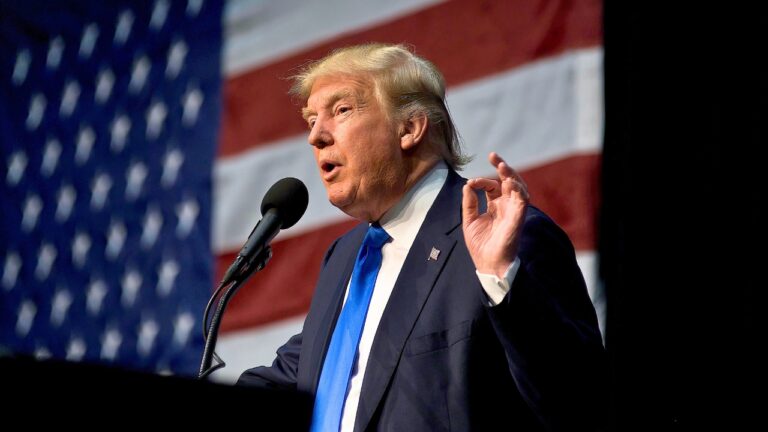
Photo credit: Walt Bilous/Shutterstock.com
The U.S. Supreme Court said Monday it will take up a closely watched case over whether the Trump administration can move forward with ending Temporary Protected Status for hundreds of thousands of migrants from Haiti and Syria, setting up a high-stakes legal battle that could reshape the limits of executive power in immigration policy. The justices did not immediately allow the policy changes to take effect, leaving in place lower court rulings that have temporarily blocked the administration’s efforts while the case proceeds. According to Reuters, the decision to hear the case comes as the administration continues a broader push to scale back humanitarian protections tied to earlier crises abroad.
At the center of the dispute is Temporary Protected Status, or TPS, a designation created by Congress that allows people from certain countries to live and work legally in the United States when conditions back home are deemed unsafe due to war, natural disasters or other extraordinary circumstances. Haitians were first granted TPS after the devastating 2010 earthquake, while Syrians received it amid the country’s prolonged civil war. Reuters reported that the Trump administration has argued those conditions have changed enough to justify ending the protections, while challengers say the administration failed to follow proper procedures and may have acted with discriminatory intent in at least one of the cases.
The legal fight has been building for months, moving through lower federal courts where judges blocked the administration from terminating TPS for Haitians and Syrians. Those courts found that the administration’s decisions were likely flawed, citing concerns about how officials evaluated conditions in the migrants’ home countries and whether the process complied with administrative law requirements. In the Haitian case, Reuters reported that lower courts also raised the possibility that the decision could violate equal protection principles, a claim that carries broader constitutional implications beyond the specific policy at issue.
The Supreme Court’s decision to hear the case places it squarely in the middle of one of the most contentious policy areas of Trump’s presidency. Immigration has been a defining issue for the administration, with officials repeatedly arguing that humanitarian protections like TPS have been stretched far beyond their original intent. From the administration’s perspective, the program was meant to be temporary and conditional, not a long-term pathway to residency. Ending TPS for countries like Haiti and Syria, officials argue, is part of restoring the program to what they describe as its original purpose. The administration has sought to terminate TPS designations for roughly a dozen countries as part of that effort.
Opponents see the issue very differently. They argue that conditions in both Haiti and Syria remain unstable and dangerous, making it unsafe to send people back. Haiti has struggled with political instability, gang violence and economic collapse, while Syria remains affected by the long-running aftermath of its civil war. Advocates also argue that many TPS holders have lived in the United States for years, built families and established deep ties to their communities. Removing protections, they say, would not only disrupt lives but also raise humanitarian concerns about forcing people into unsafe environments. These arguments have played a central role in the legal challenges now before the court.
The Supreme Court’s involvement is particularly significant because of how it has handled similar issues in the past. In a separate case involving Venezuelan migrants, the court’s conservative majority previously allowed the Trump administration to terminate TPS without hearing full arguments. Reuters reported that decision as a sign that the court may be willing to give the executive branch broad discretion over immigration-related determinations. However, the court’s decision to take up the Haiti and Syria cases suggests that at least some justices see unresolved legal questions worth examining more closely.
That tension sets up a central question for the court: how much authority does the executive branch have to decide when conditions in another country no longer justify humanitarian protection, and to what extent can courts review those decisions? The administration argues that such determinations are inherently tied to foreign policy and national security, areas where courts traditionally defer to the executive branch. Challengers counter that even if the executive has broad authority, it must still follow established legal procedures and cannot make decisions that are arbitrary or discriminatory. Reuters’ reporting highlights that the lower courts focused heavily on whether those procedural and constitutional limits were respected.
The stakes are substantial. For Haitian and Syrian TPS holders, the outcome could determine whether they are allowed to remain in the United States or face deportation. For the administration, the case represents a test of its ability to reshape immigration policy through executive action. And for the Supreme Court, it is another opportunity to define the boundaries between presidential authority and judicial oversight in a politically charged area of law. The court’s eventual ruling could also influence how future administrations handle TPS and similar programs, either reinforcing executive flexibility or imposing stricter legal constraints. (
The broader political context adds another layer to the case. Immigration remains one of the most polarizing issues in American politics, with sharply divided views on enforcement, humanitarian protections and the role of the federal government. Trump has consistently emphasized stricter enforcement and reduced use of temporary protections, framing those policies as necessary for border security and legal clarity. Democrats and immigrant advocacy groups have argued for maintaining or expanding protections, emphasizing humanitarian concerns and the contributions of immigrants to U.S. communities. The Supreme Court’s decision will unfold against that backdrop, making it not only a legal ruling but also a moment with significant political resonance.
Another key factor is timing. The court is expected to hear arguments in the coming months, with a decision likely later in the term. In the meantime, the lower court injunctions mean that TPS holders from Haiti and Syria will retain their protections. That temporary stability, however, does not resolve the uncertainty facing those communities. Many individuals and families are left waiting for a decision that could dramatically alter their legal status and future in the United States. Reuters reported that the administration has repeatedly asked the Supreme Court to allow its policies to take effect immediately, underscoring the urgency it attaches to the issue.
Legal experts say the case could hinge on how the justices interpret the statutory language governing TPS and the scope of judicial review. If the court sides with the administration, it could signal a broader willingness to allow presidents to make sweeping changes to immigration programs with limited court interference. If it sides with the challengers, it could reinforce the idea that even in areas involving foreign policy, the executive branch must adhere strictly to procedural and constitutional constraints. Reporting suggests that both sides are preparing to frame the case in those broader terms, beyond the immediate question of TPS for Haitians and Syrians.
For now, the court’s decision to take the case ensures that the issue will remain in the spotlight. It also signals that the justices see unresolved legal questions significant enough to warrant full consideration, even as they have previously allowed similar policies to proceed without that level of review. That combination of past deference and present scrutiny makes the upcoming arguments particularly important, both for the individuals directly affected and for the future direction of U.S. immigration law. As Reuters makes clear, the case is not just about two groups of migrants, but about how far presidential power extends when humanitarian policy and legal limits collide.

Abbie Clark is the founder and editor of Now Rundown, covering the stories that hit households first—health, politics, insurance, home costs, scams, and the fine print people often learn too late.