Woman Cut Off Her Parents Over Plans to Leave Everything to Her Brother — Then Called Them Out for Favoring Him for Years
Photo credit: AI-generated image created using ChatGPT. Illustrative only.
For years, she says she learned to survive on the assumption that help wasn’t coming. But when she found out her parents planned to leave almost everything they had to her older brother, it wasn’t the money that finally snapped the relationship—it was what the decision seemed to confirm about how they’d treated their kids all along.
In an update shared in the source post, the woman described sitting down with her parents to explain why she’d cut them off after hearing about their estate plans. What started as a conversation about inheritance quickly turned into a blow-by-blow accounting of years of unequal support, and ended with her telling them to remove her from the will entirely—along with any expectation she’d care for them later.
She says she was raised to expect nothing, while her brother got a safety net
The woman framed her childhood and early adulthood as a steady message from her parents: once you’re grown, you’re on your own. She said they emphasized that adults support themselves and “figure things out,” and she took it literally—so literally that she joined the military at 17 because she believed she’d be kicked out at 18.
Meanwhile, she said her brother was treated as the one who needed extra protection. In the update, she clarified something that had come up in the earlier discussion: her brother is not disabled, as she defines it under local standards. She said his IQ is “just over 80,” which doesn’t qualify him for disability benefits where they live, but her parents “babied him” because he struggled in school, had low self-esteem, and would give up quickly when things felt hard.
As adults, she said, the pattern continued. Her brother works, drives, and lives with a roommate, and she described him as doing “ok” on his own—paying bills “most of the time.” But she also said their parents still frequently step in when he falls short.
The inheritance plan wasn’t the first time she felt second-place
The estate decision hit a nerve because, in her view, it fit the same script. Her parents have told her they have more than a million dollars saved, and they’re proud of having built it “from nothing.” Yet she said she didn’t see that stability translate into support when she reached adulthood.
She wrote that her parents didn’t buy her and her husband a wedding gift and didn’t offer much help beyond raising her as a child. The details she emphasized weren’t about wanting luxury or a bailout, but about noticing that major moments in her life came and went without the kind of backing her brother received as a matter of course.
By contrast, she said her parents paid to put her brother through two trade schools, both of which he failed out of. She also said they offered him money to start his own business and have repeatedly helped when he was short on rent.
That disparity, she explained, became emotional shorthand for something harder to say out loud: that her parents “loved and cared” for her brother more because they were willing to do those things for him and not for her.
When she tried to explain the hurt, she says they shut it down
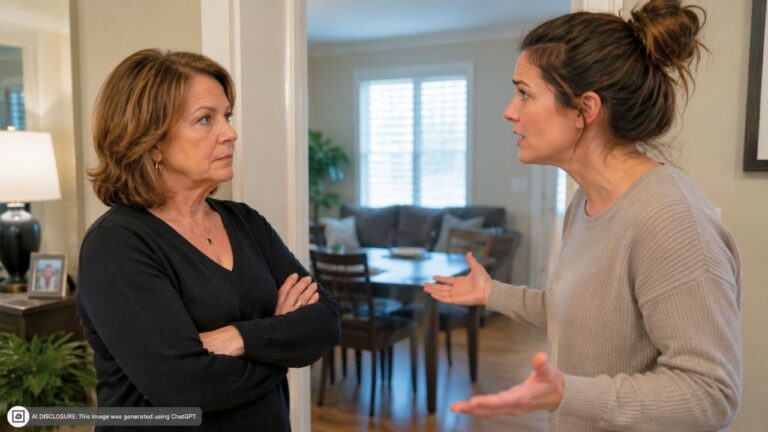
In the update, she described sitting down with her parents and trying to lay it all out: the years of feeling treated worse, the pressure to be self-sufficient from a young age, and the frustration of watching her brother get support she never received.
But she said the conversation didn’t go the way she’d hoped. She wrote that her parents interrupted her and talked over her, and that they weren’t receptive to the idea that this was about fairness and emotional fallout rather than greed.
Instead, she said they leaned into a hard line: she isn’t “entitled to a dime” and she’s an adult who can handle herself. From her perspective, that response ignored the point she was trying to make—that the unequal treatment had shaped their relationship for years, and the will was just the latest confirmation.
She also said her parents told her she needed to “step up” and treat them better, arguing it was wrong for her not to help her mother, who she described as sick, including not taking her to doctor appointments—suggesting the family tension had already spilled into day-to-day caregiving expectations.
She drew a hard boundary: no inheritance, no executor role, no caregiving
At a certain point, she said she stopped trying to convince them to understand her feelings. In her telling, the conversation made one thing clear: she couldn’t negotiate emotional validation out of people who didn’t think they owed it.
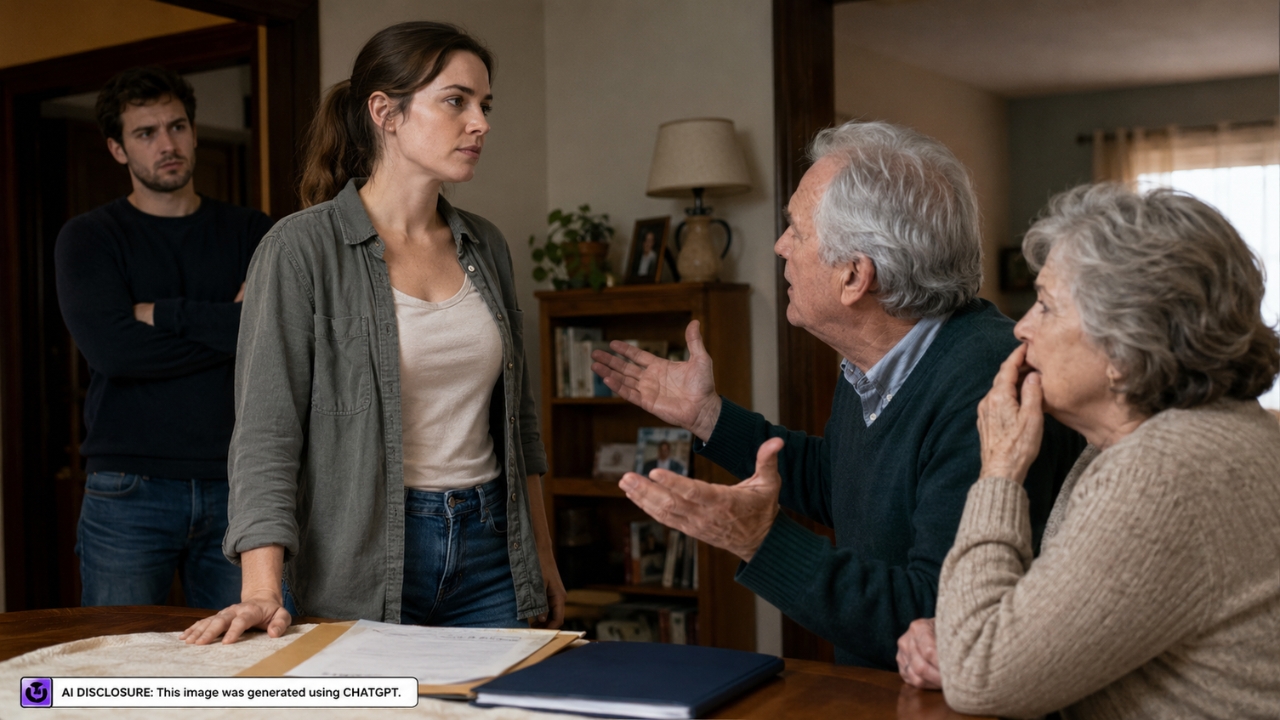
So she flipped their logic back at them. She told them that just as they weren’t required to help her, she wasn’t required to help them. Then she made the break official in practical terms: she asked them to remove her from their will entirely and said she was no longer willing to serve as estate executor or take on medical power of attorney.
Her message wasn’t just “I’m upset.” It was, “Plan your life without me in it.” She even suggested they use the money they’d saved to pay for strong professional support—good nursing homes and an estate executor—because she wouldn’t be filling that role anymore.
Her mother, she wrote, was stunned and asked if she would “really” put her own parents in a nursing home. The daughter’s reply cut straight to the memory she said she can’t shake: she asked if they would “really” let their 17-year-old daughter join the army and face sexual harassment from older men just to afford school without taking on major debt.
That was the moment the conversation fully collapsed. She said her parents cried and yelled. She left, and that was “that,” in her words.
People focused on the long game: roles, paperwork, and leverage
She described the reaction to her earlier post as “a bit of a mixed bag,” but the update shows she acted on a theme that often comes up when family fights turn into end-of-life expectations: don’t just argue about feelings—untangle the legal and caretaking responsibilities before they get assigned to you by default.
Her decision to refuse executor duties and medical decision-making is the kind of boundary that can change the entire power dynamic in a family. It removes the quiet leverage that sometimes hangs over adult children—help now, and maybe you’ll be “taken care of” later—especially when one sibling is positioned as the favored recipient and another is positioned as the reliable fixer.
It also forces her parents to confront logistics, not just emotions. If they want a certain end-of-life plan, they’ll need to pay for it and formally set it up, rather than assuming the child who has historically handled things will fall into line when the time comes.
She says she feels relieved—and is building a life that doesn’t include them
After walking out, she wrote that she felt “relieved,” like a “massive weight” was off her shoulders. Whatever sadness sits underneath, her update focused less on revenge and more on release—being done trying to earn care from people she believes already chose sides.
She described her current life as stable and forward-looking: a wonderful husband, a nice home, plans to start a master’s degree, and the possibility of having a baby soon. The through-line in her closing thoughts was that she no longer wants to spend energy managing her parents’ needs or trying to fix a relationship that, in her view, never treated her as equally worthy.
Her parents may still go through with leaving most of their estate to her brother. But the bigger shift is that she’s no longer negotiating for a different outcome. She told them to write her out completely, and to plan for their future without counting on her labor, her time, or her forgiveness. For her, that clean break seems to be the point.
Check out more from Now Rundown:
- A Party of 12 Came Back a Month Later Demanding Their $80 Tip Refunded — My Restaurant Made Me Pay It
- Her Coworker Kept Filing the Same Complaint About Her After Being Warned — Then She Filed a Counter-Report With Every Email Documented
- Siblings Demanded Half of Their Sister’s $11 Million Inheritance — She Refused Because They Never Visited
- The Kid I Bullied in Middle School Just Interviewed for a Job on My Team — He Bombed It and I Didn’t Hire Him

Abbie Clark is the founder and editor of Now Rundown, covering the stories that hit households first—health, politics, insurance, home costs, scams, and the fine print people often learn too late.