A Party of 12 Came Back a Month Later Demanding Their $80 Tip Refunded — My Restaurant Made Me Pay It
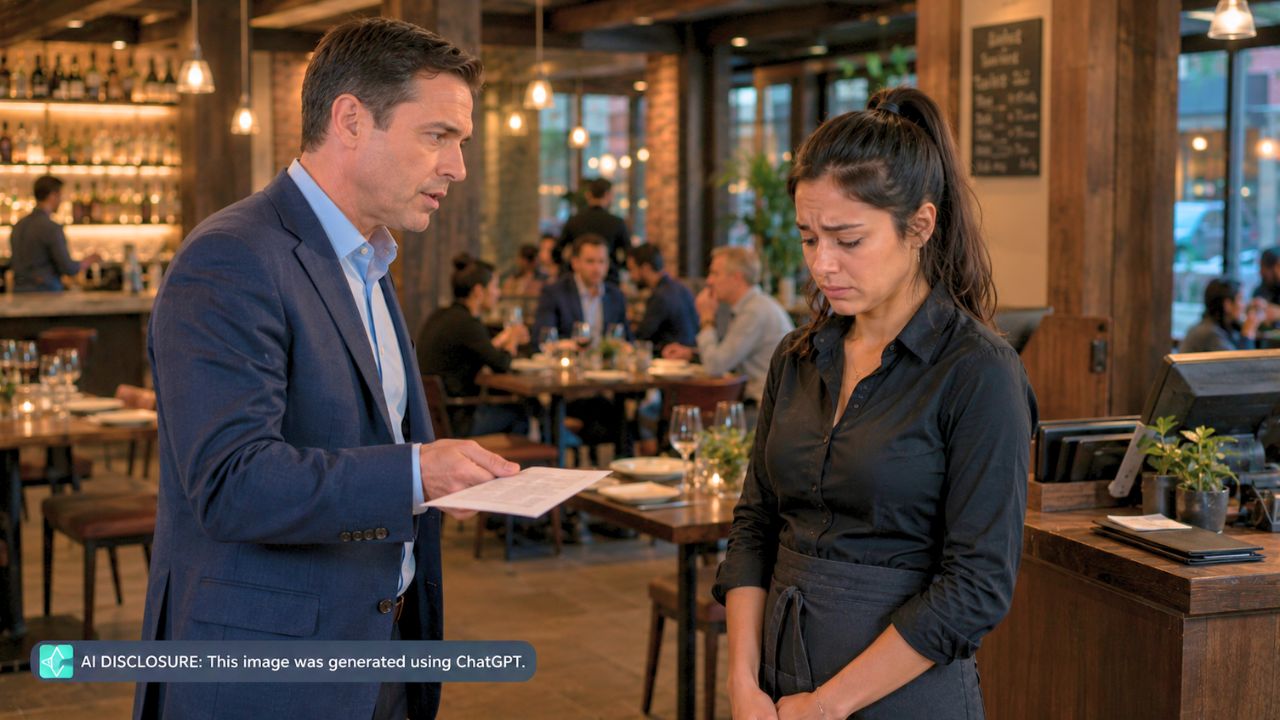
Photo credit: AI-generated image created using ChatGPT. Illustrative only.
A month after a big, carefully planned group event, a server walked into work thinking it would be a normal shift. Instead, management delivered a blunt message: money the server had already been paid would be coming back out of their next paycheck.
The reason wasn’t a mistake on the night of the party, or a dispute about the food. It was a request from a guest who said they hadn’t realized there was already an automatic gratuity baked into the bill—and now wanted the extra tip they left on top of it returned.
A big event, a big bill, and two separate gratuities
According to the original post, the restaurant hosted a large party about a month earlier. It wasn’t a casual walk-in group. Staff blocked off part of the dining room, sold food and liquor packages, and assigned multiple servers—exactly the kind of setup where everything is pre-arranged and the check is structured differently than a typical table.
Like many restaurants, this one included an auto-grat for large events, but it wasn’t labeled “tip” on the bill. It was listed as a service fee.
At the end of the event, someone in the party signed the final bill and left an additional tip on top of that. The server who wrote the post wasn’t there when the final paperwork was signed, but they were paid their share of the extra tip afterward as part of their earnings from the party.
Then the party came back with a refund request
A month later, a member of the group contacted management with a complaint that wasn’t about service quality. They said they didn’t realize the bill already included an automatic gratuity and asked for the extra tip back.
That’s the part that makes the story sting: the request wasn’t made the next day, when the receipt was fresh and the memory of signing was clear. It came weeks later, after payroll had already processed the money and the server had likely budgeted around it.
The post doesn’t describe whether the guest brought a copy of the receipt or how the request was framed, only that they told management they hadn’t understood the auto-grat and wanted the additional amount returned.
Management’s decision landed on the server’s paycheck
Management apparently chose to reimburse the guest—because they turned around and told the server to “acknowledge” that the portion of the extra tip they had been paid would be taken out of their next check.
In other words, the restaurant didn’t just eat the cost as a customer-service gesture. It shifted at least part of the refund directly onto the workers who had received the gratuity.
The amount mentioned in the headline, $80, reflects the extra tip being reclaimed in this scenario. Even if it’s not a life-changing sum, it’s the kind of money that covers groceries, gas, or a utility bill—and it’s being clawed back long after the shift is over.
The server also made clear they weren’t the person who ran the final payment interaction. They didn’t stand at the table while someone reviewed the itemized charges. They didn’t explain the bill at signing. But they’re the one being told to give money back.
It wasn’t just the tip—taxes became part of the mess
Once management said the tip would be deducted from the next paycheck, the server’s next question was immediate and practical: what happens to the taxes?
They asked whether the restaurant would also reimburse the taxes that had been withheld or charged based on that income. The logic is simple: if income was reported, taxed, and included in pay calculations, and then later reversed, the worker could end up paying tax on money they no longer have.
The post doesn’t provide the restaurant’s answer, only that the server was left trying to figure out whether the business had any obligation to adjust withholding, accounting, or reporting. It’s one thing to be told you’re losing $80 next pay period. It’s another to suspect the correction will be sloppy—leaving you short now and still on the hook later.
That uncertainty is a big part of what makes this kind of refund demand feel so destabilizing for staff: tips aren’t just cash handed over in the moment anymore. They’re tracked, split, processed, taxed, and often distributed across multiple employees. Reversing them is never as simple as pressing “refund.”
What people fixated on: receipts, wording, and who eats the refund
The post itself reads like a gut-check aimed at other service workers: “Have you ever encountered this?” It’s a familiar fear in restaurants—customers disputing a charge after the fact—but with a twist, because the “charge” at issue is an optional tip someone added voluntarily.
Even without the comments included, the pressure points are obvious: how the auto-grat was disclosed, how the service fee was described on the receipt, and whether the person who signed had a clear chance to review it. A service fee can look different than a gratuity, and guests sometimes assume it’s a venue charge rather than money going to staff. That misunderstanding is common enough that many restaurants train staff to point it out directly before a signature happens.
But the other fixation is worker-facing: whether management can take back tip money that has already been paid out, especially when the server didn’t handle the transaction that caused the dispute. Restaurants often want to keep a customer happy at any cost, but when that cost is pulled from an employee’s wages, it turns a customer-service decision into a payroll penalty.
And then there’s the documentation angle. When disputes show up weeks later, the only thing that protects anyone is the paper trail: the signed receipt, the wording next to the service fee, and whatever internal notes exist about the event package. Without those details, a server is stuck arguing about something they didn’t control.
A late refund request that leaves a long shadow
The hardest part of the story is how delayed the consequences are. The party happened, the work was done, the tip was distributed, and life moved on. Then, a month later, the server finds out their income from that event is being reduced retroactively—because a guest said they didn’t notice an auto-grat listed as a service fee.
It’s a sharp reminder of how fragile tip-based pay can be when policies aren’t crystal clear at the point of signing. A single misunderstanding—or a claimed misunderstanding—can ripple into payroll deductions and tax confusion for the people least empowered to fight it.
For the server, the immediate reality is simple: next paycheck, less money. Whether the restaurant corrects the tax side cleanly, and whether the refund should have been handled differently in the first place, is the part still hanging in the air while the bills stay due.

Abbie Clark is the founder and editor of Now Rundown, covering the stories that hit households first—health, politics, insurance, home costs, scams, and the fine print people often learn too late.