Road-Rage Victim Says Officers Suggested Dropping Charges After the Confrontation
Photo credit: Nowrundown.com
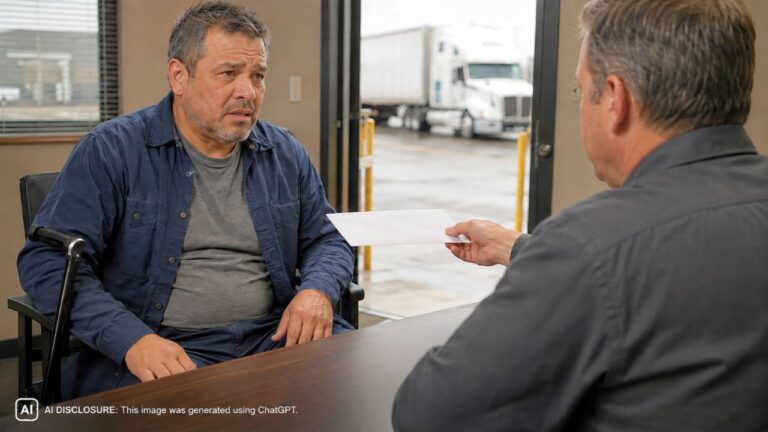
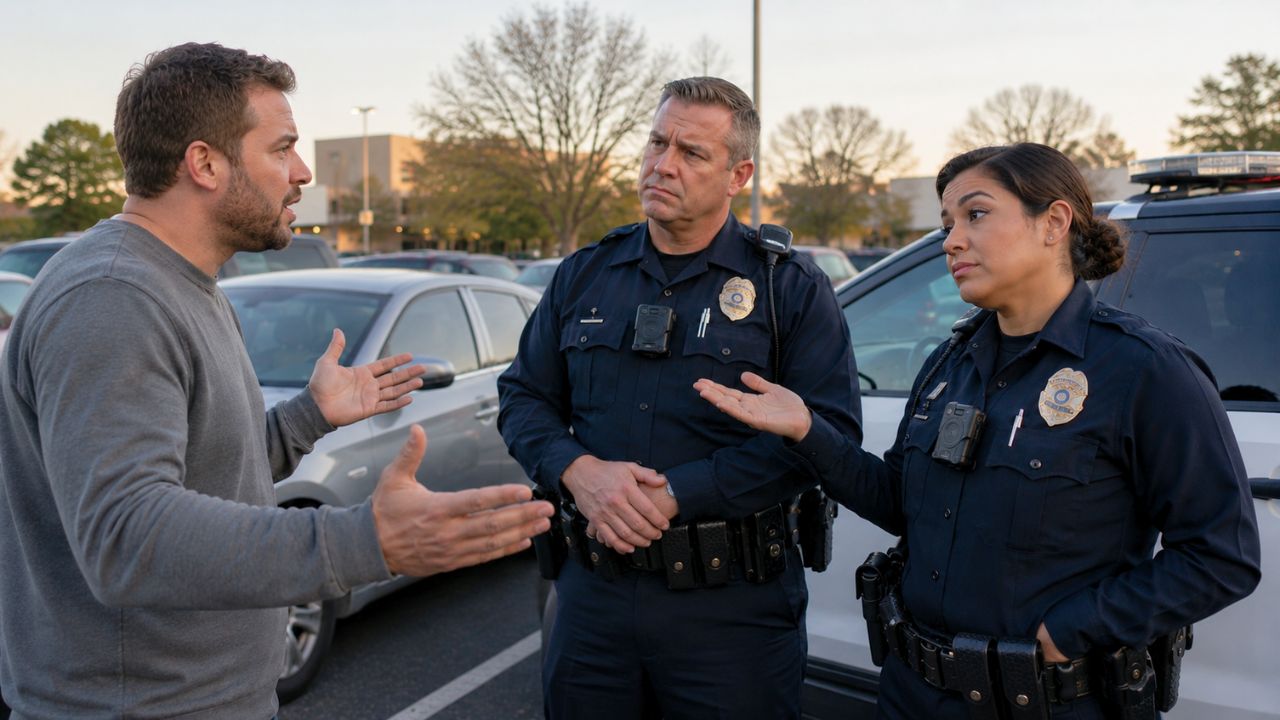
A driver said a road-rage confrontation became even more frustrating after officers allegedly suggested dropping assault charges, leaving the victim unsure whether they were being pressured to let the case go.
The driver shared the situation in a post on r/legaladvice, explaining that the incident had already escalated beyond an ordinary traffic argument. Road rage can start with a horn, a bad lane change, tailgating, or someone refusing to let another driver merge. But once a confrontation turns physical or threatening enough to involve assault charges, it becomes a legal issue, not just a bad moment on the road.
According to the poster, officers were suggesting that they drop the charges. That detail is what made the situation feel so uncomfortable. A victim may already be shaken after a road-rage encounter. They may be dealing with fear, anger, damage, injury, or the stress of replaying what happened. If the people taking the report then suggest backing away from charges, the victim can start wondering whether they are being taken seriously.
The driver wanted to know what power they actually had. Could they insist the case move forward? Did they personally “press charges,” or was that up to prosecutors? Could officers pressure them to drop it? Was dropping charges even something they could do on their own?
Those questions matter because people often use “press charges” casually, but the legal process is usually more complicated. A victim can report what happened, cooperate with police, provide statements, and share evidence. But prosecutors often decide whether charges are filed or pursued. Police may have opinions about the strength of the case, but that does not always mean the victim controls the final decision.
Still, the poster’s concern made sense. If the officers were encouraging them to drop the matter, the driver may have wondered if they were trying to reduce paperwork, avoid a complicated case, or steer them away from something that still felt serious.
Road-rage cases can be hard because the facts may be messy. There may be two drivers with different versions, unclear video, no independent witnesses, or a confrontation that happened fast. But that does not mean the victim’s concern disappears. If someone was threatened or assaulted after a traffic incident, the victim has a reason to want the case documented.
The post did not describe a neat ending where the case went forward or was dismissed. It captured the uneasy moment after the incident, when the driver was trying to figure out whether they should push back against the suggestion to let it go.
Commenters focused on the difference between a police officer’s suggestion and the actual charging process.
Several people explained that, in many places, the victim does not personally control whether criminal charges move forward. A victim can decline to cooperate, but prosecutors may still decide what to do based on the evidence. Likewise, a victim can want charges pursued, but the prosecutor may decide the case is not strong enough.
Others said the driver should ask for the report number and make sure the incident was fully documented. If the case had been reported as an assault, the driver needed a copy of the report or at least enough information to follow up with the department or prosecutor’s office.
Commenters also suggested asking to speak with a supervisor if the officer’s comments felt inappropriate or dismissive. A victim does not have to argue on the roadside or in the station, but they can ask for clarification about the case status and whether the report is being forwarded.
Evidence came up too. Commenters told the driver to preserve anything that might support the report, including dashcam footage, photos, medical records, witness names, vehicle damage, messages, and notes about the timeline. If the case depended on the victim’s word alone, it might be harder to pursue. If there was documentation, the victim had a stronger reason to keep pushing.
Some commenters also warned that civil claims and criminal charges are separate. If the driver had damages, injuries, or repair costs, they might need to deal with insurance or a civil claim regardless of whether criminal charges moved forward.
The post did not end with the officers changing their position. It ended with the driver trying to understand whether an officer’s suggestion meant the case was over.
That is what made the situation so frustrating. The road-rage confrontation was already upsetting. Being told, or feeling told, to drop it added another layer of doubt.
Commenters did not tell the driver to quietly accept the suggestion. They told them to get the report number, preserve evidence, ask where the case was going, and remember that prosecutors, not roadside opinions, usually decide what happens with criminal charges.
Because when a road-rage victim is told to drop charges, the real question is not only whether the officer thinks the case is worth it. It is whether the incident has been documented well enough for the proper people to decide.
Check out more from Now Rundown:
- A Party of 12 Came Back a Month Later Demanding Their $80 Tip Refunded — My Restaurant Made Me Pay It
- Her Coworker Kept Filing the Same Complaint About Her After Being Warned — Then She Filed a Counter-Report With Every Email Documented
- Siblings Demanded Half of Their Sister’s $11 Million Inheritance — She Refused Because They Never Visited
- The Kid I Bullied in Middle School Just Interviewed for a Job on My Team — He Bombed It and I Didn’t Hire Him

Abbie Clark is the founder and editor of Now Rundown, covering the stories that hit households first—health, politics, insurance, home costs, scams, and the fine print people often learn too late.