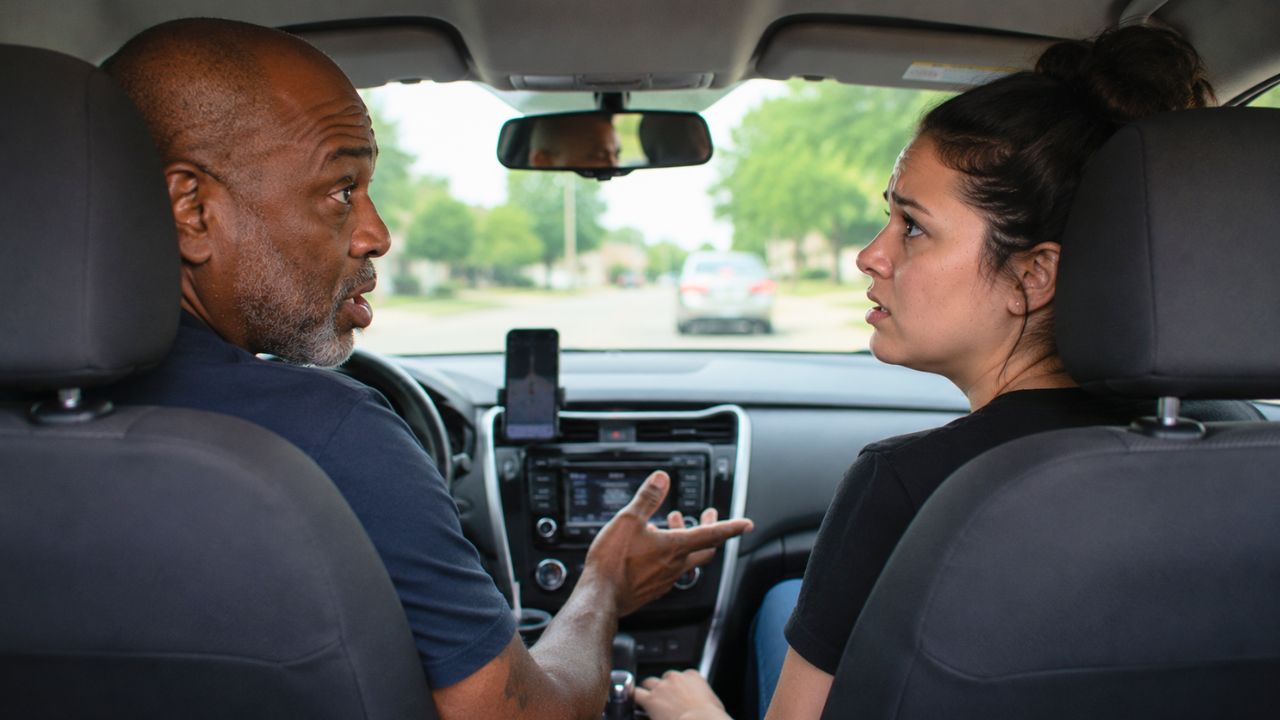
Uber Passenger Says Driver Asked, “You Cool With the Gun Story?” After an Accident
Photo credit: Nowrundown.com
An Uber passenger said a car accident turned into a much stranger situation after the driver allegedly asked them to back up a story involving a gun.
The passenger shared the situation in a post on r/legaladvice, explaining that they had been riding in an Uber when the crash happened. A rideshare accident is already stressful enough. The passenger has to deal with shock, possible injuries, police questions, insurance confusion, and the awkward reality that they were not driving or in control of the vehicle.
But according to the passenger, the driver’s behavior after the crash raised a new concern.
The driver allegedly asked whether the passenger was “cool with the gun story.” That one line made the situation feel much bigger than a normal accident report. The passenger was suddenly being pulled into a version of events that may or may not have matched what actually happened.
That is a hard position to be in. A passenger in a crash may already feel rattled and unsure what to do. If the driver starts suggesting a certain story, the passenger has to decide whether to speak up, stay quiet, correct the record, or distance themselves from the whole thing.
The phrase also raised a serious question: why was the driver bringing up a gun at all? Was the driver trying to explain something that happened before the crash? Was he trying to justify his driving? Was he trying to create a reason for what occurred? Or was he trying to get the passenger to support a story that did not line up with what the passenger saw?
The post did not require the passenger to solve that mystery. The passenger’s main issue was simpler: they did not want to get trapped in someone else’s false or questionable account of an accident.
That matters because accident reports, insurance claims, and police statements can carry consequences. If a passenger gives a statement that is not true, even under pressure or confusion, that can create problems later. Insurance companies may rely on statements to decide fault. Police may include statements in reports. If there are injuries or damages, lawyers may eventually ask what everyone said at the scene.
The passenger needed to know what to do if the driver was trying to shape the story. Should they report what was actually said? Tell Uber? Contact police? Notify insurance? Avoid speaking with the driver again? The situation placed them in the uncomfortable role of witness, customer, and potential victim all at once.
The rideshare setting made it more complicated. Unlike a friend driving them home, the Uber driver was working through a platform. That means the accident could involve the driver’s personal insurance, Uber’s insurance, police, the other driver, and the passenger’s own medical concerns if they were hurt.
The passenger’s safest path was not to protect the driver. It was to protect the truth.
Commenters focused on the passenger’s role as a witness. Several people told them not to repeat anything they did not personally see or hear. If police, Uber, or insurance contacted them, the passenger should stick to facts: where they were sitting, what they observed, what happened during the crash, and what the driver said afterward.
Others said the “gun story” line was concerning enough to document immediately. The passenger needed to write down the exact words as close to the moment as possible, along with the time, location, driver’s name if available, trip details, screenshots from the Uber app, and any communication after the ride.
Some commenters urged the passenger to report the accident and the driver’s comment to Uber. Rideshare companies need to know when a driver is involved in a crash, especially if there is any suggestion that the driver is trying to influence a passenger’s account. The app may also preserve trip records that could be useful later.
Police and insurance came up too. Commenters said that if the passenger was contacted by police or an insurance adjuster, they should be honest and avoid guessing. If they were hurt, they should seek medical care and keep records, because injuries from crashes can show up later.
Several commenters also warned against talking privately with the driver after the incident. If the driver was already asking whether the passenger would go along with a story, further contact could create pressure or confusion. Communication should go through official channels if needed.
The post did not end with a full accident investigation or a clear explanation of why the driver mentioned a gun. It ended with the passenger trying to figure out how to stay out of a story that did not feel right.
That is what made the situation so uncomfortable. A rideshare passenger should not have to leave a crash wondering whether the driver wants them to support a questionable version of events.
Commenters did not tell the passenger to play along or stay silent. They told them to document the comment, report honestly, preserve trip records, and refuse to repeat anything they did not know firsthand.
Because after an Uber accident, the passenger’s job is not to make the driver’s story work. It is to tell the truth about what happened from the back seat.
Check out more from Now Rundown:
- A Party of 12 Came Back a Month Later Demanding Their $80 Tip Refunded — My Restaurant Made Me Pay It
- Her Coworker Kept Filing the Same Complaint About Her After Being Warned — Then She Filed a Counter-Report With Every Email Documented
- Siblings Demanded Half of Their Sister’s $11 Million Inheritance — She Refused Because They Never Visited
- The Kid I Bullied in Middle School Just Interviewed for a Job on My Team — He Bombed It and I Didn’t Hire Him

Abbie Clark is the founder and editor of Now Rundown, covering the stories that hit households first—health, politics, insurance, home costs, scams, and the fine print people often learn too late.