Road-Rage Driver Sued Him After the Parking-Lot Confrontation
Photo credit: Nowrundown.com
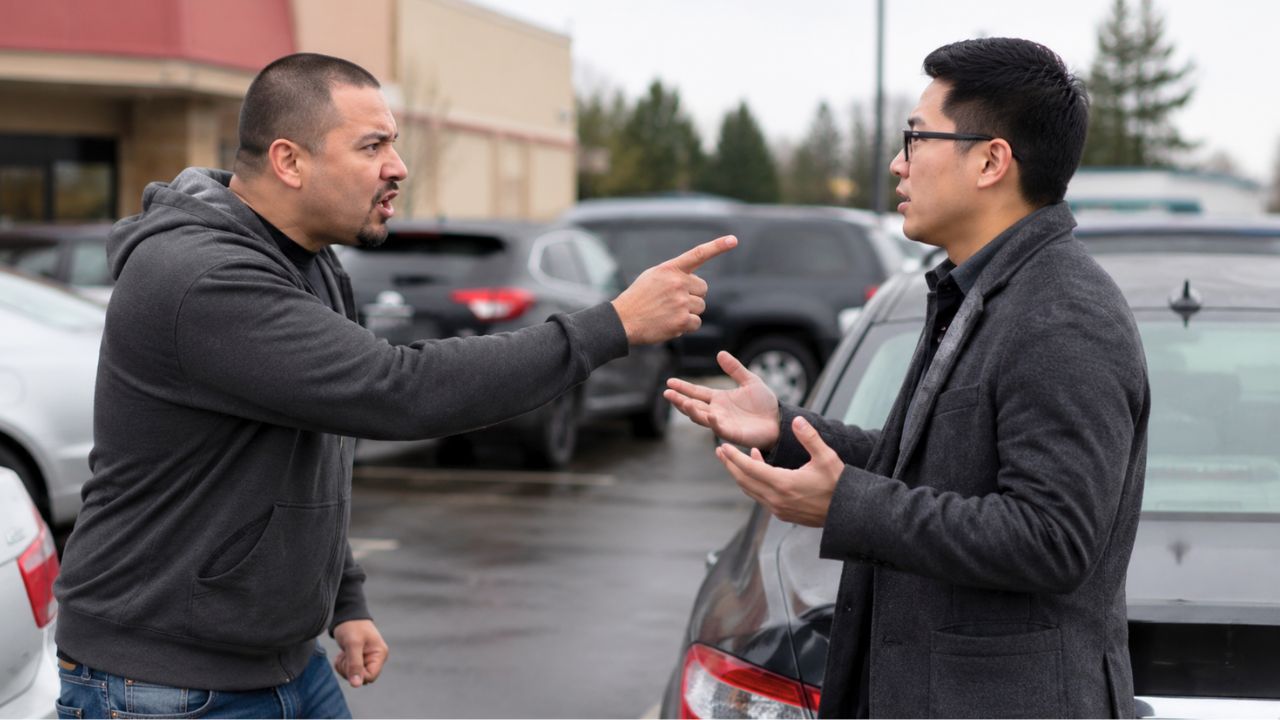
A driver said a road-rage encounter did not end when both vehicles stopped. Instead, the conflict allegedly turned into a lawsuit after a parking-lot confrontation.
The driver shared the situation in a post on r/legaladvice, explaining that the incident began as road rage and then moved into a parking lot. That detail matters because road-rage situations can shift fast once people leave their vehicles. What starts as honking, shouting, braking, or aggressive driving can become a face-to-face confrontation with witnesses, cameras, and a much messier legal trail.
According to the poster, the other person involved in the incident was now suing him. That turned the whole thing from a frightening traffic encounter into a formal legal problem. A lawsuit changes the stakes because the driver is no longer only dealing with stress, embarrassment, or an argument about what happened. He now has to respond properly, preserve evidence, and avoid making mistakes that could hurt him later.
The parking-lot part made the story especially tense. Parking lots often have cameras, but footage is not always easy to get. Businesses may overwrite it quickly, refuse to release it without police or a subpoena, or capture only part of what happened. Witnesses may have seen the confrontation but left before anyone got names. By the time a lawsuit appears, the best evidence may already be gone.
The driver wanted to know what to do after being sued. That is a different question than “who was wrong in the moment?” Even if the poster believed the other person caused the road-rage incident, a court case requires a response. Ignoring it could lead to a default judgment. Responding casually or emotionally could create more problems.
There was also the issue of insurance. If the lawsuit involved a vehicle incident, the driver’s auto insurance might need to be notified immediately. Many policies require prompt notice of claims or lawsuits. The insurance company may provide a defense if the claim falls within coverage, but only if the driver tells them and cooperates.
That is the part many people miss. A road-rage confrontation may feel personal, but once a lawsuit is filed, it becomes procedural. Deadlines matter. Paperwork matters. Whether the claim is covered by insurance matters. What the driver says to the other person, online, or in messages can matter too.
The post did not describe a clean resolution. It captured the stressful moment when someone realizes a confrontation they thought was over has followed them into legal territory.
Commenters focused heavily on the fact that the poster had been sued and needed to treat it seriously.
Several people said the first call should be to his auto insurance company, especially if the lawsuit was connected to a driving incident, crash, injury claim, or property damage. If the claim was covered, the insurer might assign counsel or guide him through the next steps.
Others told him not to contact the other driver directly. Once a lawsuit exists, direct conversations can create problems. Anything said casually could be used later, misunderstood, or turned into another piece of the dispute. Commenters said communication should go through insurance, attorneys, or the court process.
There was also strong advice to preserve evidence. That included photos, dashcam footage, messages, police reports, witness names, business names near the parking lot, repair estimates, and any medical or insurance documents connected to the incident. If parking-lot camera footage might exist, commenters said he should act quickly because businesses often delete recordings after a short window.
Several commenters warned him not to ignore court papers. Even if he believed the lawsuit was ridiculous, the legal system still expects a response by the deadline. Failing to answer could make the other person win by default.
Some commenters also said that if the lawsuit included claims outside a normal insurance issue, or if insurance refused coverage, he should speak with an attorney. Road-rage cases can involve more than vehicle damage if there were accusations about threats, assault, harassment, or intentional conduct.
The post did not end with the lawsuit dismissed or the other driver backing down. It ended with the poster trying to understand how to respond once a road-rage incident became a formal legal fight.
That is what made the situation so stressful. The road-rage part may have lasted minutes, but the lawsuit could drag on for months if it was not handled correctly.
Commenters did not tell him to argue his side online or call the other driver to sort it out. They told him to notify insurance, preserve evidence, meet every deadline, and get legal help if the claim was not covered.
Because once a road-rage driver sues you after a parking-lot confrontation, the fight is no longer happening beside the cars. It is happening on paper, with deadlines attached.
Check out more from Now Rundown:
- A Party of 12 Came Back a Month Later Demanding Their $80 Tip Refunded — My Restaurant Made Me Pay It
- Her Coworker Kept Filing the Same Complaint About Her After Being Warned — Then She Filed a Counter-Report With Every Email Documented
- Siblings Demanded Half of Their Sister’s $11 Million Inheritance — She Refused Because They Never Visited
- The Kid I Bullied in Middle School Just Interviewed for a Job on My Team — He Bombed It and I Didn’t Hire Him

Abbie Clark is the founder and editor of Now Rundown, covering the stories that hit households first—health, politics, insurance, home costs, scams, and the fine print people often learn too late.