The seat selection fee strategy that keeps spreading
Photo credit: Aayush Shah/Pexels.com
Airlines have turned seat selection into a lucrative side business, charging you to avoid the middle seat, sit with your kids, or simply feel less cramped. What started as a niche upsell has quietly become a core revenue strategy that more carriers are copying and expanding. As you navigate this spreading fee, you are left to decide when to pay, when to push back, and how to work around a system that is designed to make you spend more.
How seat selection fees became a core airline business model
Seat selection charges grew out of a broader shift toward unbundling, where airlines strip out services that used to be included and sell them back to you as add ons. Instead of one all inclusive fare, you now see a low base price, then a cascade of extras for checked bags, food, Wi Fi and, increasingly, the right to choose where you sit. Industry analysts describe this as a deliberate strategy to keep headline fares competitive while moving profit into optional looking fees that many travelers end up paying anyway, especially to avoid discomfort or separation from companions.
Some commentators who track airline economics note that carriers now rely on these ancillary charges, including seat assignments, in the same way they once depended on higher base fares, grouping them with baggage, food and Wi Fi as essential revenue streams. The logic is simple: if you care about your seat, you will pay, and if you do not, the airline can still sell the more desirable spots to someone else. Over time, this has normalized the idea that a specific seat is a premium product, even in standard economy, which helps explain why the practice keeps spreading across different types of airlines.
Why you keep paying to avoid the middle seat
Psychology is a big part of why seat fees work so well. Airlines know you dread being stuck in a middle seat for hours, or squeezed into the last row with limited recline and constant traffic. By presenting a seat map filled with red or “preferred” labels, they nudge you to see a basic aisle or window as an upgrade worth a few extra dollars, even when the physical seat is identical to the one you would get for free. The fear of discomfort, and of being the only one who did not pay to improve the experience, drives many travelers to click “add” almost automatically.
Travel advisers describe passengers who pay extra simply to avoid being separated from a pet carrier or to guarantee quick access to the aisle in case of an emergency, even when the flight is not especially long. Others admit they pay because they assume the airline will otherwise assign them the worst possible spot, a perception that reinforces the idea that the only way to protect yourself is to buy control. Airlines have learned that you will often trade a modest fee for peace of mind, which is why they keep refining the seat map interface and pricing to maximize that impulse.
How airlines segment seats to squeeze more from the same cabin
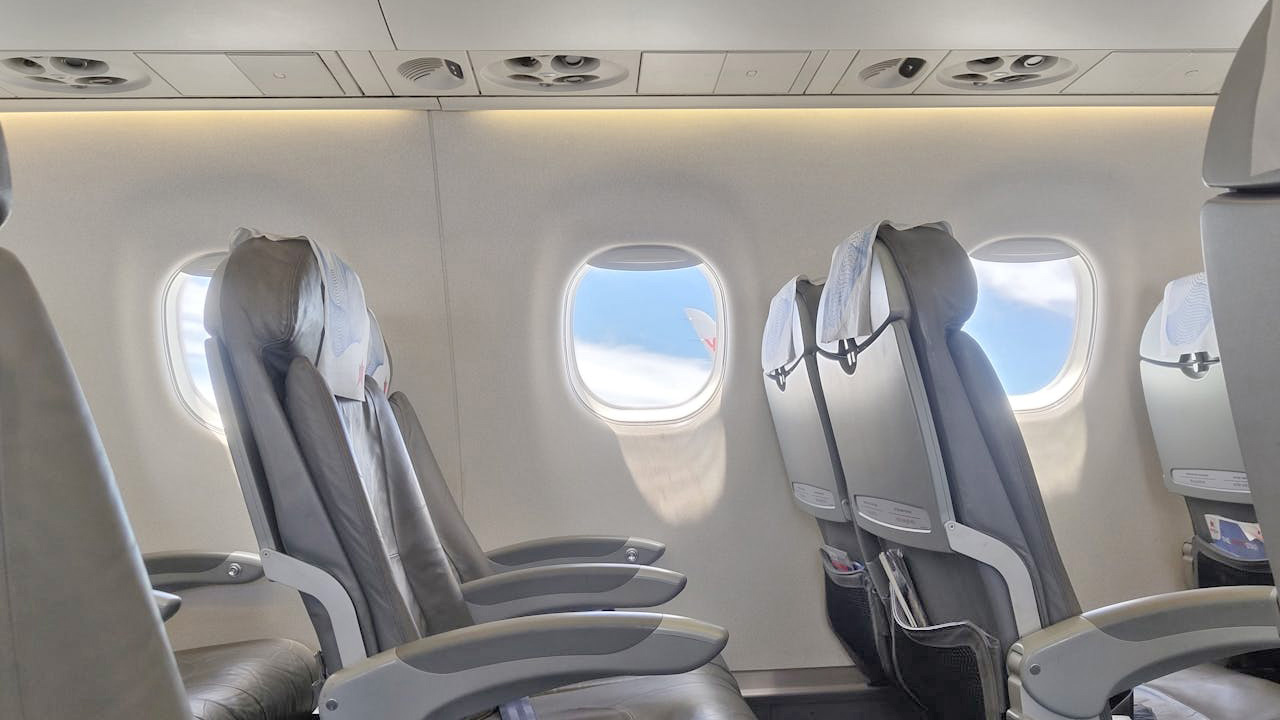
To turn seat selection into a reliable revenue stream, airlines have become more sophisticated about how they carve up the cabin. Instead of a simple split between economy and premium, you now see multiple layers: extra legroom rows, “preferred” seats closer to the front, standard aisle and window seats, and then the least desirable middle or back row options. Each category carries a different price, even though the underlying product is still economy. This segmentation lets airlines monetize not just extra space, but also small advantages like faster deplaning or proximity to the lavatory.
Industry breakdowns of airline strategy point out that this is part of a broader move to treat every aspect of the journey as a separate product, from baggage to food and Wi Fi, and seats are one of the easiest levers to pull. By charging more for the most sought after spots and sometimes even for ordinary seats, carriers can keep base fares low while still driving up overall prices once you factor in the add ons. The result is a cabin where almost every seat has a different value, and where you are constantly invited to pay a little more to avoid feeling like you lost the game.
Family seating rules and the limits of “free”
One of the biggest flashpoints in the seat fee debate is family seating, especially when young children are involved. Regulators and consumer advocates have pushed airlines to guarantee that kids can sit next to at least one adult in their party without an extra charge, and several carriers now advertise that they will seat families together at no additional cost regardless of fare type. Airlines such as Alaska, American, Frontier, Hawaiian and JetBlue have publicly committed to fee free family seating, promising adjacent seats for children and parents even on the cheapest tickets.
In practice, though, you may still feel pressure to pay. The free family seating policies often depend on booking early, linking reservations correctly, and sometimes accepting less desirable rows that are left over after other passengers have paid to lock in their spots. If you want both to sit together and to choose a specific location, such as the front of the cabin or an exit row, you are usually pushed back into the paid seat selection funnel. That tension, between headline promises of free family seating and the reality of limited choice, shows how deeply seat monetization is embedded in the system.
Southwest’s pivot shows how far the fee culture has spread
For years, Southwest was the standout holdout in the seat fee economy, relying on open seating and boarding groups instead of assigned spots. That model let you avoid paying to pick a specific seat, as long as you checked in early enough to secure a better boarding position. The airline still charged for perks like EarlyBird Check In, but it did not sell individual seat assignments in the way its competitors did, which made it a favorite for travelers who wanted to dodge the growing wave of seat fees.
That distinction is now fading. Southwest has announced that it will officially introduce assigned seating on January 27, ending its decades long tradition of open seating and moving it closer to the industry norm. Reporting on the shift notes that Southwest begins assigning and charging for seats while, somewhat ironically, you still cannot pay for bags online, a reminder that each airline chooses which parts of the experience to monetize first. The move signals that even carriers built on a different philosophy are being pulled into the seat fee model, because the revenue is simply too significant to ignore.
When paying for a seat actually makes sense
Despite the frustration, there are situations where paying for a seat can be a rational choice. If you are tall or have mobility issues, an extra legroom row can make a long flight far more bearable, and the cost may be worth it compared with arriving sore or exhausted. If you are traveling with a nervous pet, as one traveler who brought home a stray cat did, paying for an aisle seat to access the carrier more easily can be a practical safety decision rather than a luxury. In these cases, the fee buys you a tangible benefit that directly affects your comfort or ability to manage the journey.
There are also times when the risk of separation or a bad seat is simply too high for your tolerance. On a long overnight flight, paying to avoid the last row or a guaranteed middle seat can help you arrive rested enough to function at your destination. Analysts who look at seat fees suggest that you think of them like any other travel insurance style expense: if the downside of not paying is severe for you, such as being unable to assist a child or manage a medical condition, then the fee may be justified. The key is to make that decision consciously, not just because the seat map is nudging you toward the “upgrade” button.
How to avoid or minimize seat selection charges
Even as seat fees spread, you still have tools to avoid or reduce them if you are willing to be strategic. One simple tactic is to skip the seat selection screen entirely when you book, letting the airline assign you a spot automatically at check in or at the gate. Travel guides note that if you bypass the prompts and wait until closer to departure, you are often given a standard seat for free, especially on less full flights. This approach works best if you are traveling solo and are flexible about where you sit, since you are trading control for savings.
You can also lean on airline policies and timing to your advantage. Some carriers quietly release more free seats as departure approaches, so checking back in the app or at the airport can reveal options that were previously paywalled. Loyalty status, even at lower tiers, sometimes unlocks complimentary preferred seats that others must buy. And if you are traveling with children, invoking the family seating commitments from airlines like Alaska, American, Frontier, Hawaiian and JetBlue can help you secure adjacent seats without paying, as long as you are prepared to accept whatever part of the cabin is available.
Creative hacks and the ethics of gaming the system
As fees have multiplied, travelers have responded with increasingly creative workarounds. One popular tactic discussed in travel communities is the “three seat economy trick,” where you book two seats in the same row, one aisle and one window, in the hope that no one will choose the middle seat between them. If the flight does not fill, you end up with an entire row for the price of two tickets, which can be cheaper than buying premium cabin seats. Guides that explain what this trick involves emphasize that you are essentially betting on the middle seat being the last to go, which is often true because most passengers avoid it if they can.
Other hacks are less elaborate but still rely on understanding airline behavior. Some frequent flyers recommend booking without seat selection, then asking gate agents politely for better seats once the final load is clear, or using online check in at the exact opening time to grab newly released spots. Discussions in travel forums highlight that if you want to sit up front without paying, your only option may be to accept a middle seat, since aisle and window seats near the front are usually monetized first. These strategies raise ethical questions about fairness and system gaming, but they also reflect how many travelers feel boxed in by a fee structure that leaves them looking for any edge.
What the spread of seat fees means for the future of flying
The expansion of seat selection charges is a window into where commercial flying is headed. As airlines refine their data and pricing tools, you can expect even more granular seat based fees, with dynamic pricing that changes based on demand, route and even your own purchase history. Analysts who track these trends argue that seat fees are here to stay and may get worse, because they are one of the most effective ways for airlines to increase revenue without raising base fares in a way that is obvious on comparison sites. In that environment, knowing how and when to push back becomes part of being a savvy traveler.
At the same time, growing consumer frustration and regulatory scrutiny, especially around family seating and transparency, could force some limits on the most aggressive practices. Guidance that helps you navigate costly seat selection fees stresses the importance of understanding each airline’s rules, from family guarantees to loyalty benefits, so you can make informed choices instead of reacting to pressure tactics on the booking screen. The fee culture that now surrounds your seat is unlikely to disappear, but by recognizing how it works and where you still have leverage, you can protect both your wallet and your comfort even as the strategy keeps spreading.

Abbie Clark is the founder and editor of Now Rundown, covering the stories that hit households first—health, politics, insurance, home costs, scams, and the fine print people often learn too late.