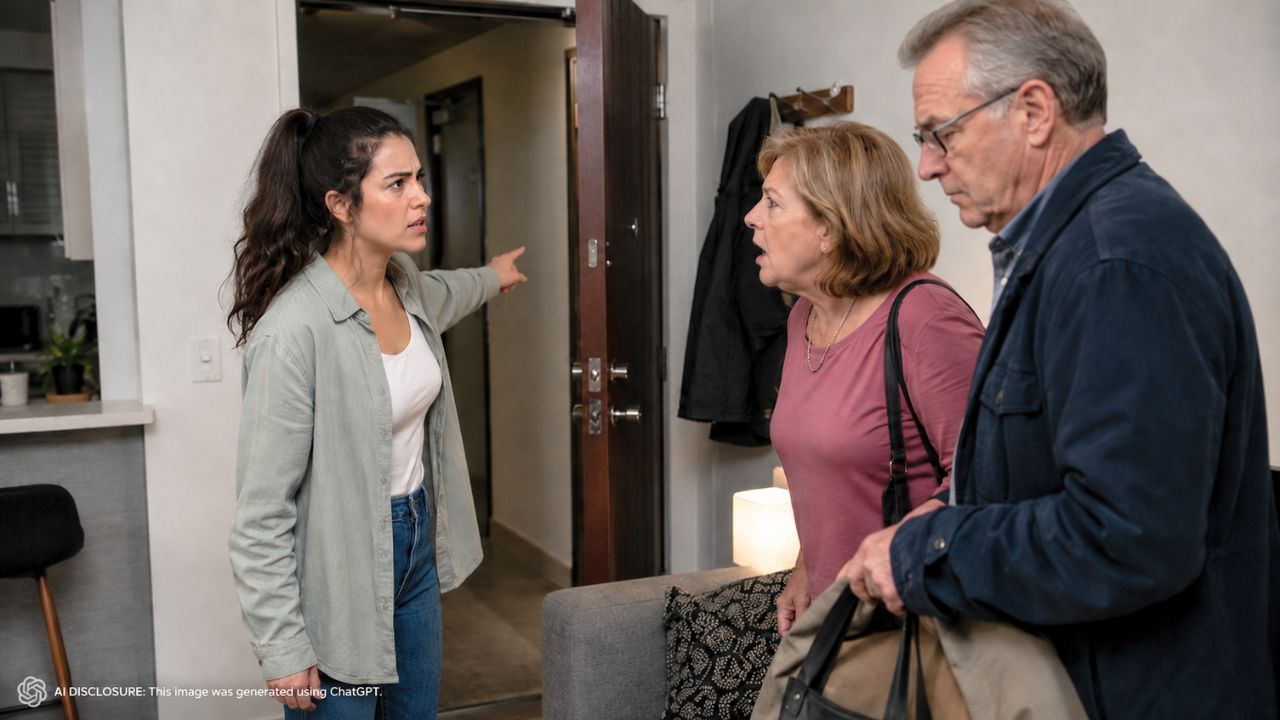
Woman Kicked Her Boyfriend’s Parents Out of Their Apartment After His Mother Called Her a Bitch — Following Months of Them Being Controlling and Entitled
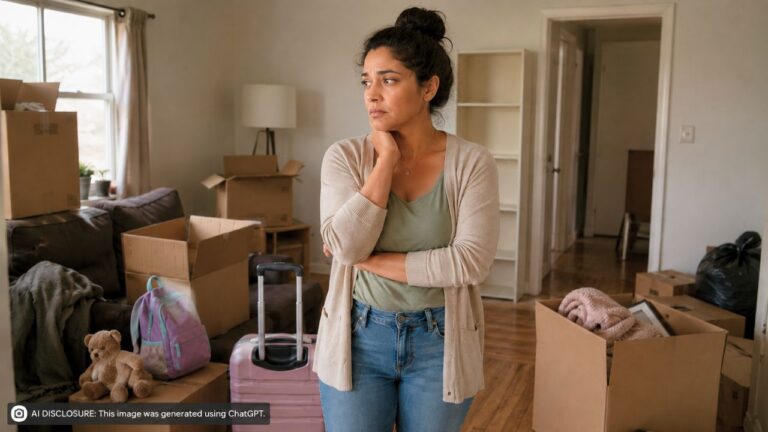
Photo credit: AI-generated image created using ChatGPT. Illustrative only.
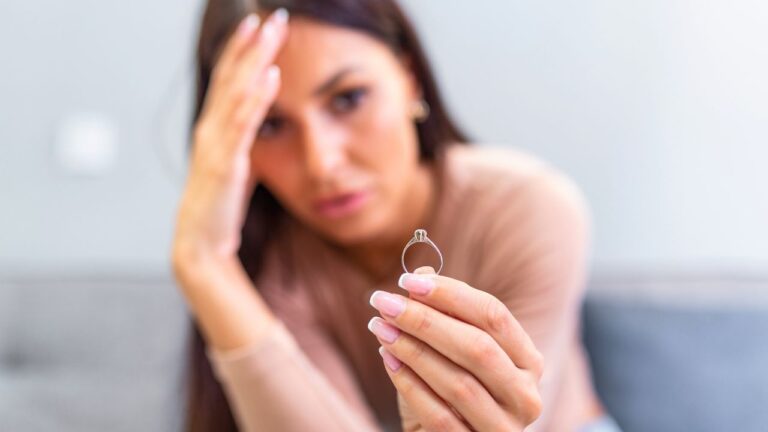
It started as an uninvited “quarantine stay” and ended with a boyfriend’s mother being told to pack up and leave. In the original post, a woman described months of living with her boyfriend’s parents in her apartment after they announced they were coming—without asking—and then began treating her like a guest in her own home.
By the time she finally snapped, she said she’d spent weeks being criticized, ordered around, and verbally insulted on a near-daily basis. The final trigger wasn’t money or chores. It was the thermostat—specifically, what she called a relentless battle over air conditioning in 85–90 degree weather.
They didn’t ask to move in — they informed her
The woman said the trouble began in March, when her boyfriend’s parents decided they wanted to wait out quarantine at the couple’s apartment. Instead of asking, she said, his mother called and told her they were on their way and that she should prepare the spare bedroom.
From the beginning, she felt boxed in. She described the parents as extremely rude, overly critical, and controlling—people who expected to be “in charge” in any space they occupied, including hers.
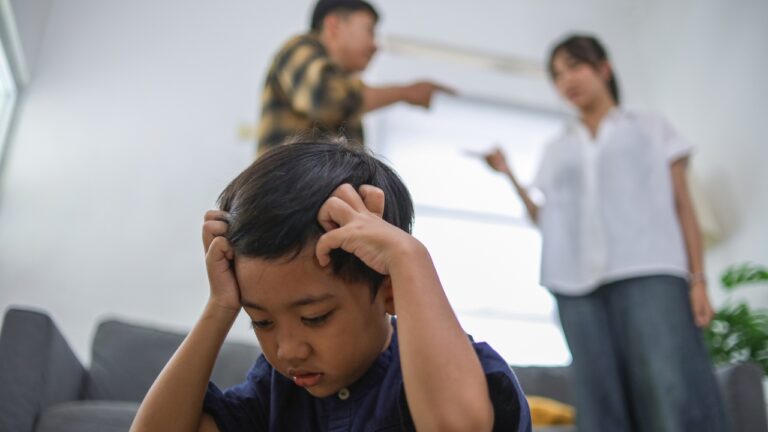
Once they arrived, she said the tone of the household shifted fast. She alleged they verbally abused her daily, dictated what she could and couldn’t do in her own apartment, and generally acted entitled to set the rules.
Control became the daily routine inside the apartment
Living together didn’t just mean awkward small talk and crowded common areas. She said it turned into a constant tug-of-war over boundaries, with the parents treating her like a child and framing normal household decisions as something they had authority over.
She tried to keep things from exploding. But she also said she felt alone in it—especially because her boyfriend “refus[ed] to defend” her and “allow[ed]” his mother to say and do whatever she wanted.
In her telling, that dynamic mattered as much as the parents’ behavior. When one partner won’t step in, the person being targeted ends up forced to either absorb it or become the “bad guy” by pushing back.
The thermostat fight turned into a heat-and-humidity standoff
The biggest recurring argument, she said, was the air conditioning. With daily temperatures in the high 80s and low 90s, she normally kept the apartment at 70. When the complaints started, she compromised and bumped it up to 75—already uncomfortable for her, but a peace offering.
It didn’t land. She said her boyfriend’s parents didn’t just want it warmer; they wanted the air conditioning off entirely and preferred the heat on. And, according to her, they would switch it whenever they could.
She described waking up in the middle of the night sweating after the heat had been turned on. She said she told them repeatedly to stop, but the message didn’t stick.
Finally, she tried a physical barrier. She taped over the thermostat—about 10 pieces of duct tape, she said—and left a note: “Do NOT touch the thermostat while I am at work.”
When she returned home around 6 p.m., she said the apartment felt worse than outside. The duct tape and note had been torn off. Then she looked at the setting: the heat was on 98 degrees.
She confronted them — and the mother fired back with an insult
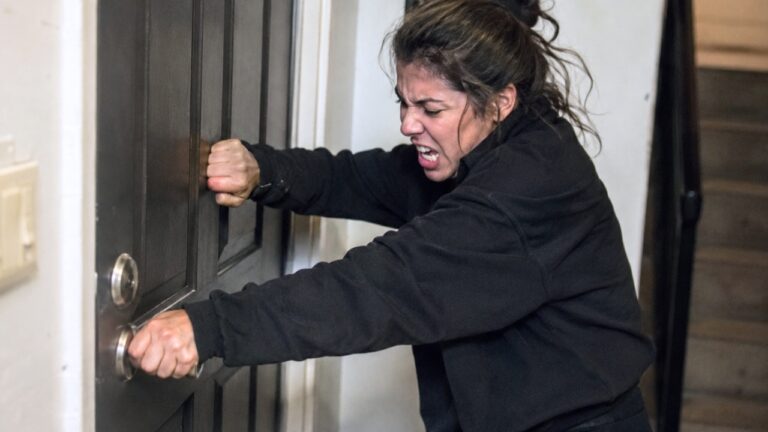
At that point, she went into the guest room and confronted them directly. She said she asked why they couldn’t follow a simple instruction not to touch the thermostat, and she laid out what had been building for weeks: she was tired of rude comments, tired of being treated like a child, and tired of them making “rules” for her apartment.
She told them they had two options: respect her boundaries or go back to their own house.
Her boyfriend’s mother didn’t apologize or back down. Instead, the woman said, she was scolded for entering the guest room without knocking and told she had no right to “barge in” because it was an invasion of privacy.
Then came the line that ended it. The mother, she wrote, said: “I’ve dealt with much bigger [insult] than you before.” The mother continued talking for about 30 minutes, according to the post, while the woman tuned it out.
When the mother finally finished, the woman said she told her to get out.
Her boyfriend sided with his parents — and demanded an apology
Kicking out your partner’s parents isn’t the kind of move you can rewind with a quiet night in. The woman said her boyfriend was angry at her, not at his parents. In his view, she should have just let them have their way.
He wanted her to call his mother and apologize. She didn’t think she owed one. She acknowledged she may have sounded rude during the confrontation, but argued it was the end result of two months of being mistreated while also housing them for free.
Her frustration wasn’t limited to the thermostat. It was the bigger pattern—trying “politely” over and over to get basic respect, and realizing nothing would change as long as the parents felt empowered and her boyfriend stayed silent.
In her mind, this wasn’t about winning an argument. It was about reclaiming her home.
Reactions focused on boundaries, housing rules, and the boyfriend problem
The post was labeled “Not the A-hole,” reflecting how many readers viewed the turning point: someone being pushed until they finally enforced a boundary. A lot of the practical reaction centered on how extreme it is to invite yourself into someone’s home, then try to control the temperature and daily life once you’re there.
But just as much attention went to the boyfriend. Commenters often treat stories like this as a two-front issue: difficult in-laws are one problem, but a partner who won’t protect the household is another. The implication was clear—if he expects his girlfriend to apologize after his mother insulted her in her own apartment, the larger relationship may be unstable even if the parents leave.
Some reactions in these kinds of disputes also tend to focus on basics like protecting the lease and preventing a repeat. When unwanted guests stay for an extended period, people start asking who is on the lease, who has keys, and whether the couple should change locks or put house rules in writing. Even without formal legal action, the goal is often the same: make sure “temporary” doesn’t turn into permanent.
In the end, the woman’s story lands on an unresolved standoff. The parents were told to leave, but the bigger question is what happens after: whether her boyfriend accepts that it’s her home too—and whether he’s willing to draw a line with his parents, or keep asking his partner to swallow the disrespect to keep the peace.
Check out more from Now Rundown:
- A Party of 12 Came Back a Month Later Demanding Their $80 Tip Refunded — My Restaurant Made Me Pay It
- Her Coworker Kept Filing the Same Complaint About Her After Being Warned — Then She Filed a Counter-Report With Every Email Documented
- Siblings Demanded Half of Their Sister’s $11 Million Inheritance — She Refused Because They Never Visited
- The Kid I Bullied in Middle School Just Interviewed for a Job on My Team — He Bombed It and I Didn’t Hire Him

Abbie Clark is the founder and editor of Now Rundown, covering the stories that hit households first—health, politics, insurance, home costs, scams, and the fine print people often learn too late.