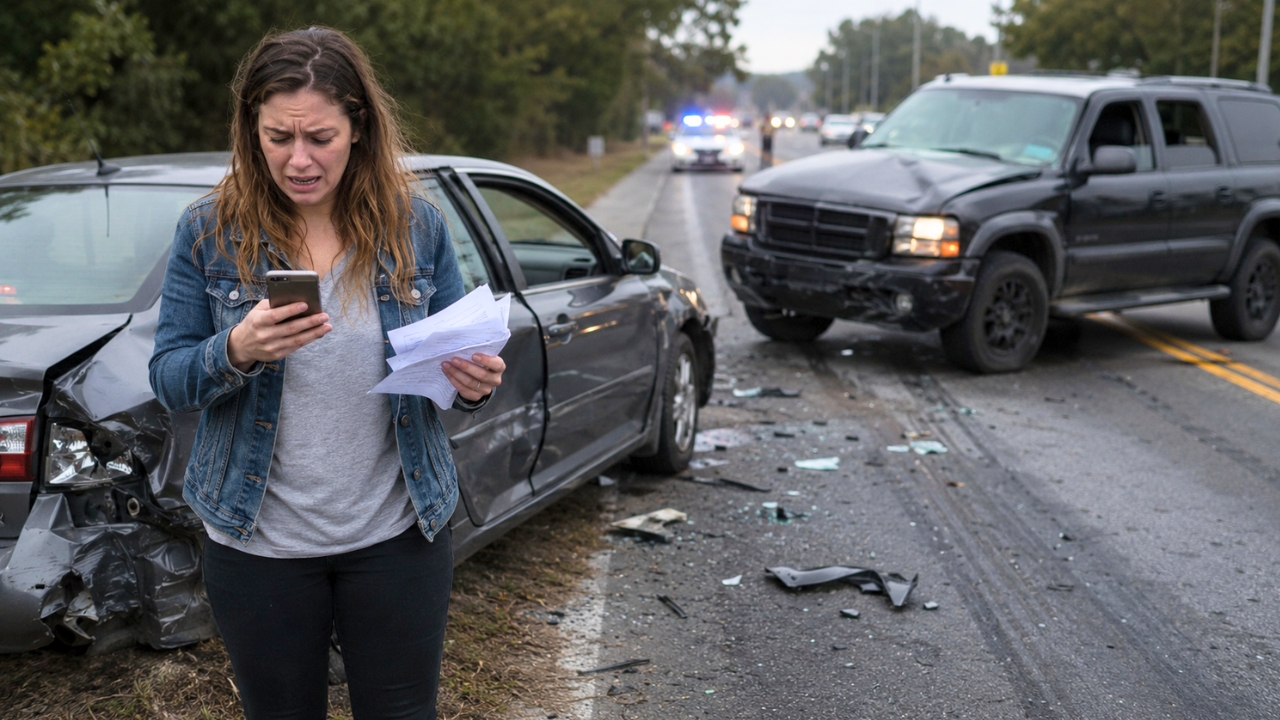
Road Rage Victim Says Insurance Blamed Them After the Other Driver Used a Car “as a Weapon”
Photo credit: Now Rundown
A driver said a frightening road rage encounter became even more frustrating after insurance allegedly found them at fault, even though the other driver had used their vehicle aggressively during the incident.
The driver shared the situation in a post on r/legaladvice, explaining that they had been involved in a road rage crash and believed the other person’s behavior was the real cause. According to the post, the other driver had acted dangerously enough that the poster described the vehicle as being used “as a weapon.”
That phrase carried the weight of the story. This was not framed as a normal fender bender where two drivers misjudged a lane change or disagreed over who had the right of way. The poster believed the other driver’s aggression created the crash and left them dealing with the consequences.
Then insurance got involved.
Instead of fully backing the poster’s version, the insurance company allegedly found them at fault. That turned the situation from scary into infuriating. The driver already felt like a victim of road rage. Now they were also being treated, at least by insurance, as the person responsible for the collision.
That kind of outcome can feel impossible to accept because road rage incidents do not always fit neatly into insurance boxes. Insurance companies look at vehicle positions, impact points, statements, damage, police reports, and traffic rules. But a person who was being targeted may feel those details do not capture the larger context: the other driver was angry, aggressive, and using the road to intimidate them.
The driver wanted to know what options they had. Could they challenge the insurance decision? Would a police report help? Did the fact that the other driver was allegedly acting aggressively matter? Was there any way to show the crash was not simply the poster’s fault?
Those questions show how messy road rage cases can become after the immediate danger ends. In the moment, a driver is focused on getting away, avoiding impact, or surviving the encounter without making it worse. Later, the paperwork begins: claims, fault determinations, repair estimates, statements, possibly medical bills, and sometimes a police report.
The emotional side can get lost in that process. A driver may feel threatened or chased, but an adjuster may focus only on the final maneuver before the crash. If the victim swerved, braked suddenly, changed lanes, or reacted in a way that contributed to the impact, insurance may still assign fault even if the other person created the danger.
That is the part the poster seemed to be struggling with. They were not only arguing about car damage. They were trying to make the system recognize the road rage behind the crash.
The post did not read like someone trying to avoid responsibility for a normal accident. It read like someone who believed the other driver’s conduct had been dangerous and intentional, and who was shocked that the insurance process did not see it the same way.
Commenters focused on the difference between an insurance fault decision and whether the other driver’s behavior could be reported as dangerous or criminal.
Several people said the driver should get a copy of the police report, if one existed, and make sure the road rage behavior had been documented. If no report had been made, commenters said the driver could still contact police, though the timing and available evidence would matter.
Others said dashcam footage, witness statements, photos, and any written timeline would be important. A road rage claim is much stronger when there is something beyond one driver’s word. If the other driver cut them off, rammed them, followed them, brake-checked them, or used the vehicle aggressively, proof would matter.
Some commenters explained that insurance companies may still assign fault based on the mechanics of the collision, even when the other driver behaved badly. That does not mean the poster’s fear was not real. It means the insurance process may not fully address intentional or aggressive conduct unless the evidence is clear.
Several people suggested appealing the insurance decision or asking for a supervisor review. The driver could provide any police report, video, witness names, photos, and a written explanation of the road rage leading up to the crash. If the insurance company had made its decision without considering key evidence, commenters said the poster should push back.
Others said that if the financial stakes were high or if injuries were involved, the driver should speak with an attorney. Road rage crashes can involve both civil liability and possible criminal conduct, and the right approach may depend on state law, insurance coverage, and the strength of the evidence.
There was also practical advice for future situations. Commenters told drivers not to engage with aggressive motorists, not to drive home if being followed, and to call 911 while heading toward a police station, fire station, or busy public place. In a road rage situation, trying to “win” the road or prove a point can make the danger worse.
The post did not end with insurance reversing its decision. It ended with the driver trying to understand how they could be blamed after a crash they believed was caused by someone else’s aggression.
That is what made the situation so aggravating. The driver felt victimized twice: first by the other person on the road, then by the insurance outcome afterward.
Commenters did not tell the driver that insurance would automatically change its mind. They told them to gather evidence, document the road rage clearly, appeal if possible, and consider legal help if the consequences were serious enough.
Because once a road rage incident becomes an insurance claim, fear and anger are not enough on their own. The driver needs proof that shows the aggressive behavior was not background noise — it was the reason the crash happened.

Abbie Clark is the founder and editor of Now Rundown, covering the stories that hit households first—health, politics, insurance, home costs, scams, and the fine print people often learn too late.