Man Got Out at Red Light and Threatened to End Driver — Then Posted About It Online
Photo credit: Now Rundown
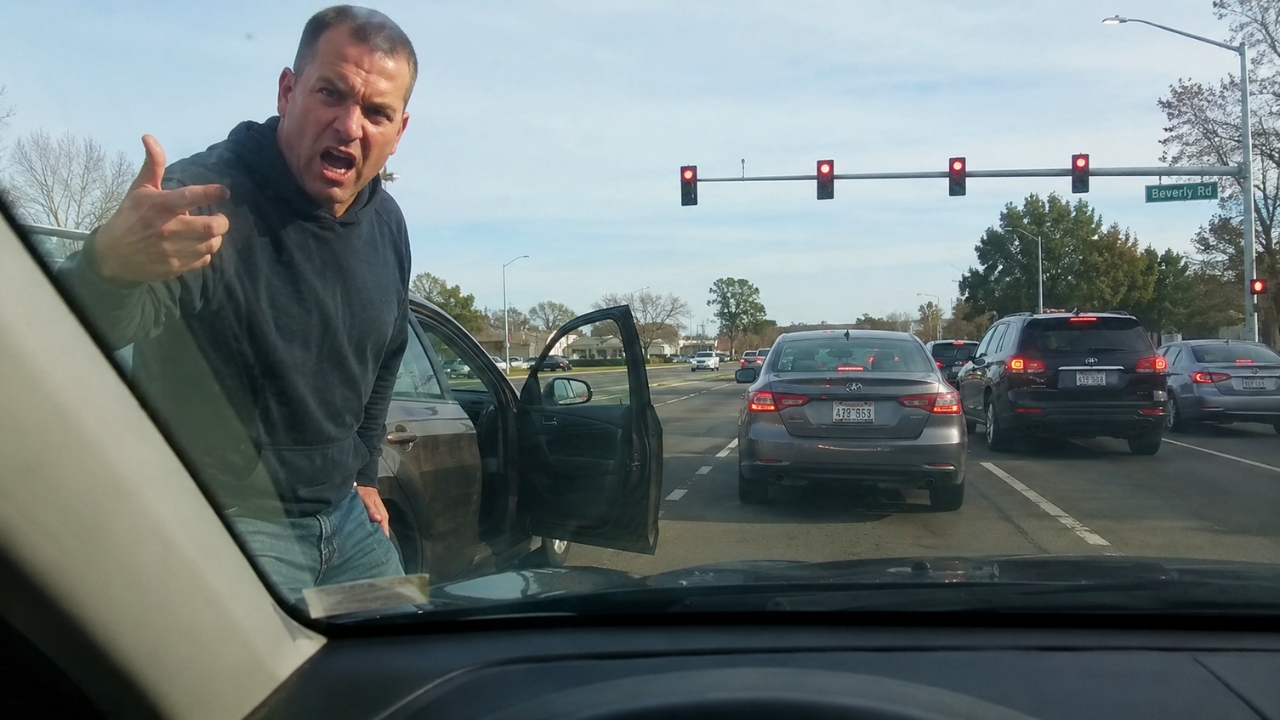
A driver said a terrifying road rage encounter escalated when another man got out of his vehicle at a red light, walked up, and threatened to kill him.
The driver shared the situation in a post on r/legaladvice, explaining that the confrontation happened while he was stopped in traffic. According to the post, the other driver became angry enough to leave his own car and approach the poster’s vehicle directly.
That moment is what turns a road rage incident from scary to dangerous. Horns, gestures, yelling through windows, and reckless driving are already serious. But when someone gets out of their car in traffic and walks toward another driver, the person inside has very little time to figure out what is about to happen.
The driver said the man threatened to kill him. That is not a normal traffic argument. That is a direct threat in a public place, during a moment when the poster was stopped and boxed into the situation by the road.
The red light made it worse. A driver cannot always leave safely when other cars are around, the light is still red, and someone is standing near the vehicle. If they try to drive away, they may risk hitting the person, running into traffic, or causing another crash. If they stay put, they may be stuck face-to-face with someone acting aggressively.
That kind of pressure is what makes road rage so unpredictable. In a few seconds, a routine drive can turn into a situation where someone is deciding whether to stay locked in the car, call police, drive away, record, or brace for the other person to do something worse.
The poster wanted to know what could be done legally, especially because the other man had allegedly posted about the incident online afterward. That detail added a new layer. It was not only a private confrontation at a traffic light. The other person may have created a public record of his own version of events, which could either help establish what happened or make the whole situation more complicated.
The online post also raised questions about evidence. Did the man admit anything? Did he describe the encounter in a way that matched the poster’s account? Did he make more threats? Did he identify himself, the location, or the vehicle? If so, screenshots could matter.
The driver’s concern was not only about the past threat. It was about what might happen next. If someone is angry enough to threaten a stranger at a red light and then post about it, the poster had reason to wonder whether the person might continue the conflict, try to identify him, or escalate further.
That is the part of road rage that can follow people home mentally, even if the other driver never does. The encounter ends, the cars separate, but the fear lingers. The driver may replay whether he should have called 911 immediately, taken a photo, memorized the plate, or driven to a police station.
The post did not describe the threat turning into physical contact, and it did not describe a crash. But the lack of physical harm did not make it harmless. A person getting out at a red light and threatening to kill another driver is the kind of incident that can justify serious concern, especially if there is any way to document it.
Commenters urged the driver to save any evidence connected to the incident, especially the other person’s online post.
Several people said screenshots were important because online posts can be edited or deleted quickly. If the other driver had written anything that confirmed the confrontation, showed anger, admitted to leaving the vehicle, or repeated the threat, commenters said the poster needed to save it before it disappeared.
Others suggested filing a police report. A direct threat to kill someone, made face-to-face during a road rage encounter, is not something commenters thought the driver should simply ignore. Even if police could not do much without more evidence, a report could create a record in case the man contacted him again, posted more, or was connected to another incident.
Commenters also told the driver to write down everything while it was fresh: the time, location, vehicle description, license plate if known, what was said, what the man looked like, and where the online post appeared. Details that feel obvious right after a scare can get fuzzy later.
Some people advised the driver not to engage with the man online. Responding could make the conflict worse, especially if the other person was already angry enough to approach him in traffic. The safer move was to save the post quietly and give the information to police if he chose to report it.
There was also practical advice about future road rage encounters. Commenters said not to get out of the car, not to argue through the window, and not to drive home if being followed. If someone becomes aggressive, the safer option is to call 911 and drive to a police station, fire station, or busy public place if possible.
The post did not end with charges filed or the other driver identified publicly. It ended with the driver trying to decide how to respond after a threat that happened fast but felt serious.
That is what makes these stories so unsettling. A traffic light is supposed to be a routine pause, not a place where someone walks up and threatens your life. The driver may have driven away physically unharmed, but the encounter still left him with legal questions and a need to protect himself if the situation resurfaced.
Commenters did not tell him to argue online, track the man down, or try to handle it personally. They told him to preserve the evidence, file a report if he wanted the threat documented, and avoid giving the other driver another chance to escalate.
Because once someone gets out of their car at a red light and threatens to kill another driver, the safest response is not a comeback. It is a record.
Check out more from Now Rundown here.

Abbie Clark is the founder and editor of Now Rundown, covering the stories that hit households first—health, politics, insurance, home costs, scams, and the fine print people often learn too late.