Mom Says Her MIL Visited Every Day After the Baby Came Home — Then “Help” Started Feeling Like Pressure
Photo credit: JackF/istock.com
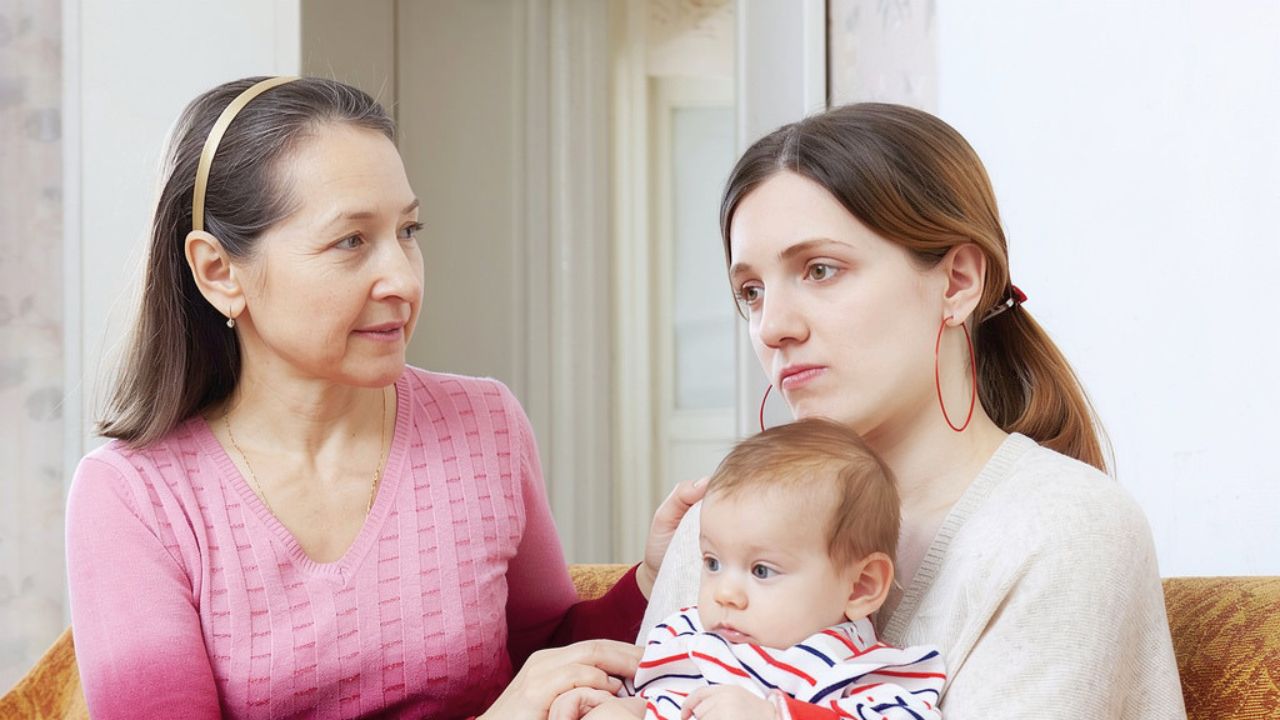
A new mom says she expected the first days after bringing her baby home to be emotional, exhausting, and full of adjustment. What she did not expect was for her mother-in-law to keep showing up every day, staying for hours, and making the postpartum period feel less like bonding time and more like hosting duty.
She explained in a Reddit post that she and her husband had recently welcomed their baby, and the early days at home were already a lot. Like many new parents, they were trying to figure out feeding, sleeping, recovery, routines, and the strange blur that happens when a newborn changes every part of the day.
Her mother-in-law seemed excited about the baby, which the mom understood. A new grandchild is a big deal, and she did not want to shut family out completely.
But excitement quickly turned into something that felt overwhelming.
According to the mom, her MIL started visiting every day after the baby came home. These were not quick check-ins where someone drops off food, folds a load of laundry, and leaves. The visits felt constant enough that the mom started losing the privacy she needed during one of the most vulnerable times of her life.
Postpartum is not normal hosting time. It is bleeding, soreness, hormones, nursing or bottle routines, sleep deprivation, and trying to recognize yourself while keeping a newborn alive. Even kind visitors can feel like too much when they arrive over and over.
The mom seemed especially frustrated because the visits were framed as help, but they did not feel helpful in practice. The MIL wanted time with the baby, and the mom felt pressured by that presence. Instead of being able to rest, heal, or bond without an audience, she had someone else in the home expecting access.
That is the tricky thing about “help” after a baby. Real help makes life easier for the parents. It does not require the recovering mom to manage another adult’s feelings. It does not leave her wondering if she is being rude for wanting her baby back or needing the house quiet.
The mom was not saying her MIL could never see the baby. She was saying the daily visits were too much.
That boundary can be hard for grandparents to hear, especially if they think frequent visits show love. But for a new mother, love can still feel like pressure when it arrives without enough space. A baby is not only a grandchild. The baby is also someone’s newborn, and the mother is recovering from birth.
The husband’s response mattered here too. In a lot of postpartum conflicts, the recovering parent ends up being the one who has to speak up, even though she is the most exhausted person in the house. The mom seemed to need her husband to understand that this was not about punishing his mother. It was about protecting their new family’s first days at home.
There is also a difference between being invited and assuming access. If the parents ask someone to come over, that is one thing. If someone keeps showing up because they want baby time, that becomes harder to manage.
The mom’s frustration seemed to come from feeling like her needs were being pushed behind everyone else’s excitement. Her body had just gone through birth. Her baby was brand new. She was trying to settle into motherhood. And instead of feeling supported, she felt crowded.
By the time she posted, she seemed torn between guilt and exhaustion. She did not want to be cruel. She did not want to create family drama. But she also did not want to keep spending the newborn stage feeling watched, pressured, and unable to fully relax in her own home.
The situation did not need a huge blowup to be valid. Daily visits after a baby comes home can be too much, even from people with good intentions. The mom’s request was simple: less pressure, more space, and a chance to recover without feeling like she had to entertain company.
Commenters largely told her she was not wrong for being upset. Many said postpartum recovery is one of the clearest times when a mother’s comfort should come first, and visitors should not be showing up every day unless the parents specifically ask for that.
A lot of people said “help” should mean cleaning, cooking, running errands, or giving the parents rest — not sitting around waiting to hold the baby. If a visitor creates more stress, commenters said, then it is not really help.
Several commenters encouraged the mom and her husband to set a schedule, such as one or two planned visits a week, instead of allowing daily drop-ins. They said clear expectations would be kinder than letting resentment build until someone snapped.
Others said the husband needed to handle his own mother. Commenters pointed out that the new mom should not have to be the gatekeeper while recovering from birth.
Some people noted that grandparents can be excited and still need boundaries. Wanting to see the baby does not mean they get unlimited access, especially during those first raw weeks at home.
The strongest advice was to stop treating postpartum privacy like something the mom had to earn. She had already done enough. Her home, her recovery, and her baby’s routine deserved protection.

Abbie Clark is the founder and editor of Now Rundown, covering the stories that hit households first—health, politics, insurance, home costs, scams, and the fine print people often learn too late.