Parents Say MIL Agreed to Babysit — Then Announced She Was Bringing a New Puppy Around Their Toddlers
Photo credit: Now Rundown
A parent says they were relieved when their mother-in-law agreed to babysit their two toddlers. Then she added one unexpected detail: she wanted to bring her new puppy with her.
They explained in a Reddit post that the plan was supposed to be simple. Their MIL had agreed to watch the kids, and the parents were grateful for the help. Anyone with toddlers knows reliable babysitting can feel like finding gold in the couch cushions. You don’t want to create problems when someone is doing you a favor.
But the puppy changed the whole thing.
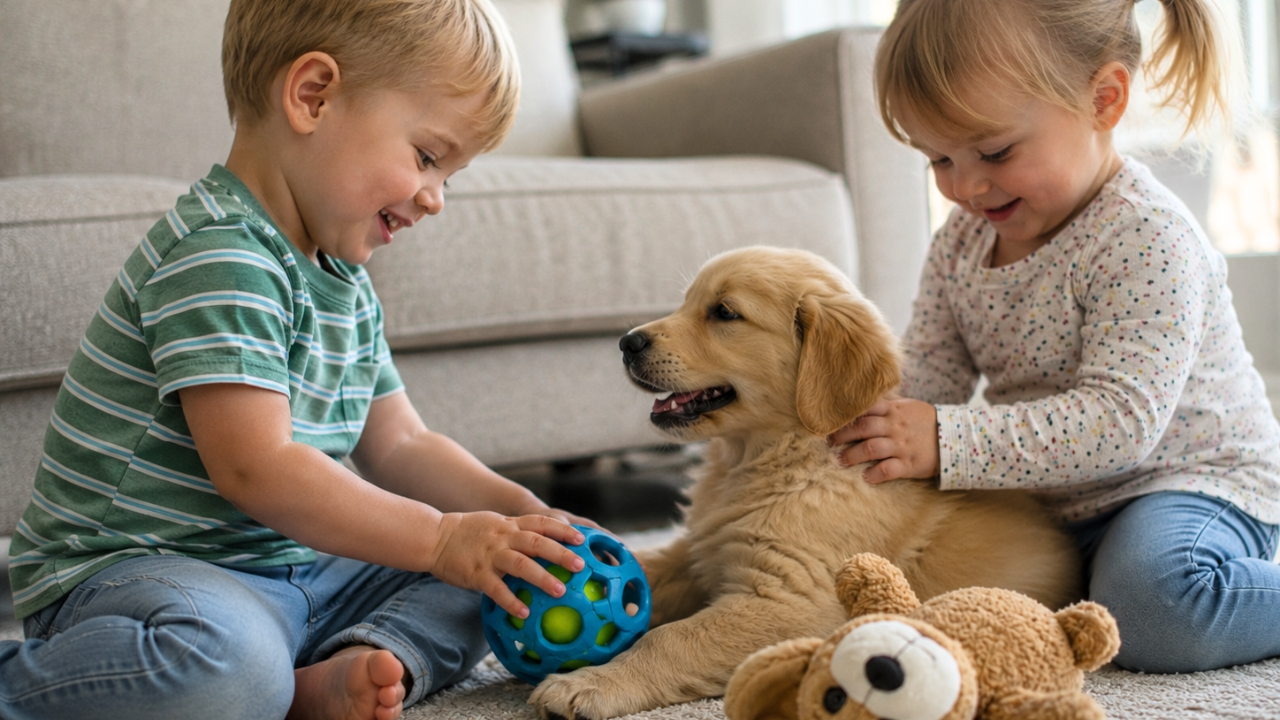
The mother-in-law had recently gotten a new dog, and she wanted to bring it along while babysitting. To her, that may have seemed reasonable. A puppy needs supervision, bathroom breaks, attention, and consistency. Leaving it alone for hours might not be ideal.
But from the parents’ side, the babysitting job was already plenty.
Two toddlers are not passive background characters. They climb, grab, run, fall, spill, cry, fight over toys, and somehow find the one unsafe thing in a room you thought you had already childproofed. Adding an untrained or barely trained puppy into that environment can turn a manageable babysitting day into chaos fast.
The parents were not trying to be dramatic. They were thinking through the reality of the situation. A puppy might jump, scratch, nip, knock a child over, chew toys, have accidents, steal food, or get overwhelmed by little kids. Toddlers might pull ears, grab fur, chase the puppy, or ignore every instruction about being gentle because they are toddlers.
That combination can be stressful for everyone, including the dog.
The parent’s concern was not necessarily that the puppy was dangerous. It was that the puppy was new, young, and another living thing that needed active watching. If MIL was focused on keeping the puppy out of trouble, would she be fully focused on the kids? If the kids got too rough with the puppy, would MIL blame the toddlers? If the puppy scratched or nipped, would everyone act like it was no big deal because it was “just a puppy”?
Those were fair questions.
The situation also created an awkward power dynamic. Because MIL was doing them a favor, the parents may have felt pressure to accept her terms. But babysitting help only works if the parents trust the setup. If they are leaving the house worried the whole time, it does not really feel like help.
The parents seemed to be asking whether it was unreasonable to say no to the puppy while still accepting babysitting. That can feel tricky because some pet owners see their pets almost like extensions of themselves. Asking them not to bring the puppy can feel, to them, like rejecting the dog or making their life harder.
But from the parents’ view, their children’s safety and comfort came first.
There was also the simple issue of permission. People do not get to bring animals into someone else’s home without a clear yes, especially around small children. Even a sweet puppy can be too much in a house with toddlers, and the parents are allowed to decide what animals come into their space.
The post did not appear to end with a huge family blowup or a dramatic update. It was more of a boundary question before the situation turned into one. The parents were trying to decide if they should hold firm before the babysitting day arrived.
And honestly, that is the best time to set the rule. It is much easier to say, “Please don’t bring the puppy,” before MIL is already standing at the door with a leash in one hand and a diaper bag in the other.
The parents were not asking MIL to choose between her dog and her grandchildren forever. They were asking that one babysitting arrangement stay focused on the two little kids she had agreed to watch.
Commenters mostly told the parent they were not overreacting. Many said a puppy and toddlers are a bad mix unless several adults are present and everyone is comfortable with the arrangement.
A lot of people pointed out that puppies need supervision too. If MIL brought the dog, she would not only be babysitting the kids. She would be managing a puppy in a new environment, which could distract her from the toddlers.
Several commenters said the parents had every right to say no animals in the house. Even if the puppy was friendly, it was still their home and their kids.
Others focused on liability and safety. Puppies can nip, scratch, jump, or get overstimulated, and toddlers are not always gentle or predictable. Commenters said it was not fair to the kids or the dog to force that situation without the parents’ full comfort.
Some commenters said if MIL could not babysit without bringing the puppy, the parents should find another sitter rather than argue. That way, no one had to pretend the setup was fine.
The clearest advice was simple: babysitting help is only helpful if the parents trust the plan. If they do not want a puppy around their toddlers, that is enough reason to say no.

Abbie Clark is the founder and editor of Now Rundown, covering the stories that hit households first—health, politics, insurance, home costs, scams, and the fine print people often learn too late.