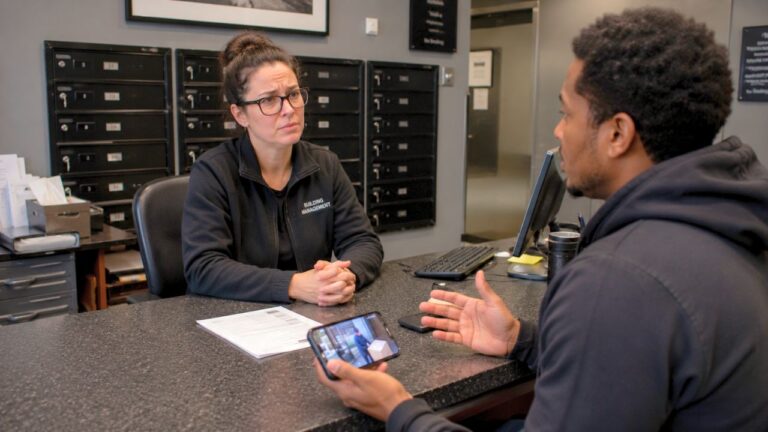
Coworker Kept Asking if He Could Kill Her — Then She Wondered if Reporting It Would Make Her Look Dramatic
Photo credit: Raushan films/istock.com
A California worker said a coworker’s repeated comments about killing her became so unsettling that she started questioning whether she should report him or if she was overreacting.
The worker shared the situation in a post on r/AskHR, explaining that a male coworker kept making comments about whether he could kill her. The question itself was disturbing enough, but the repeated nature of it made the situation harder to brush off as one bad joke.
Workplace jokes can be awkward, annoying, or inappropriate without always feeling dangerous. But when someone repeatedly brings up killing a specific coworker, the tone changes. Even if the person claims they are joking, the employee on the receiving end still has to keep working near them, hearing the comments, and wondering what is going through his mind.
That was the worker’s concern. She did not describe a normal personality clash or a coworker who was simply rude. She described someone who kept asking a question that made her feel unsafe. The fact that she was even worried about looking dramatic showed how often employees second-guess themselves before reporting something serious.
The worker wanted to know whether this was something HR should know about. That question matters because people often wait for a threat to sound “serious enough” before they report it. They may tell themselves the person has a strange sense of humor, that no one else seems bothered, or that HR will treat them like they cannot take a joke.
But the worker was the one hearing it. She was the one expected to show up and work around him. If the comments made her feel unsafe, that feeling mattered.
The age gap added to the discomfort. The worker described the coworker as a 45-year-old man. That detail made the repeated “can I kill you” comments feel less like immature banter and more like something that should have stopped long before she had to ask the internet what to do.
There was also the issue of pattern. A single strange comment can be addressed directly or written off as someone saying something foolish. Repeated comments are harder to excuse. Each new remark makes it clearer that the coworker knows the topic is being raised and continues anyway.
The worker’s situation sat in that uncomfortable workplace gray area where nothing physical had happened, but the words were alarming. She did not say he had followed her, touched her, or blocked her path. But she also should not have to wait for behavior to escalate before asking for help.
That is why the question was not only whether he “meant it.” The question was whether the workplace had a responsibility to know that an employee was repeatedly making death-related comments toward a coworker.
Commenters were direct that the worker should report the comments to HR or management.
Several people told her not to describe the issue vaguely as “weird comments” or “uncomfortable jokes.” Instead, they said she should use the actual nature of what was said: a coworker repeatedly asked if he could kill her. Keeping the wording clear would help HR understand the seriousness of the complaint.
Others said she should write down every incident she could remember. Dates, times, locations, exact wording, witnesses, and whether she responded all mattered. If there were messages, notes, recordings allowed by law, or coworkers who heard the comments, those details could strengthen the report.
Commenters also urged her not to confront him alone. If he had already made repeated comments about killing her, even as a supposed joke, the safer path was to involve management rather than trying to handle it privately in a hallway or break room.
Some commenters said that if he made a direct threat, approached her aggressively, or escalated in any way, she should call police or security immediately. HR could handle workplace discipline, but an immediate safety threat would go beyond an internal complaint.
Others focused on the way women in workplaces often minimize concerning behavior because they do not want to be seen as difficult. Commenters told her that reporting repeated comments about killing her was not dramatic. It was exactly the sort of thing HR needed to know before something worse happened.
The post did not end with HR taking action or the coworker being removed. It ended with the worker trying to decide whether to trust her instinct that the comments had crossed a line.
That is what made the situation so uncomfortable. She was not dealing with one awkward sentence from someone who immediately apologized. She was dealing with repeated comments that made her wonder if she was safe around him.
Commenters did not tell her to laugh it off or wait until he said something even worse. They told her to document, report clearly, and make sure the company knew exactly what had been happening.
Because when a coworker keeps asking if he can kill you, the safest response is not to prove you are “tough enough” to ignore it. It is to make sure the workplace has a record before the comments become something more than words.

Abbie Clark is the founder and editor of Now Rundown, covering the stories that hit households first—health, politics, insurance, home costs, scams, and the fine print people often learn too late.