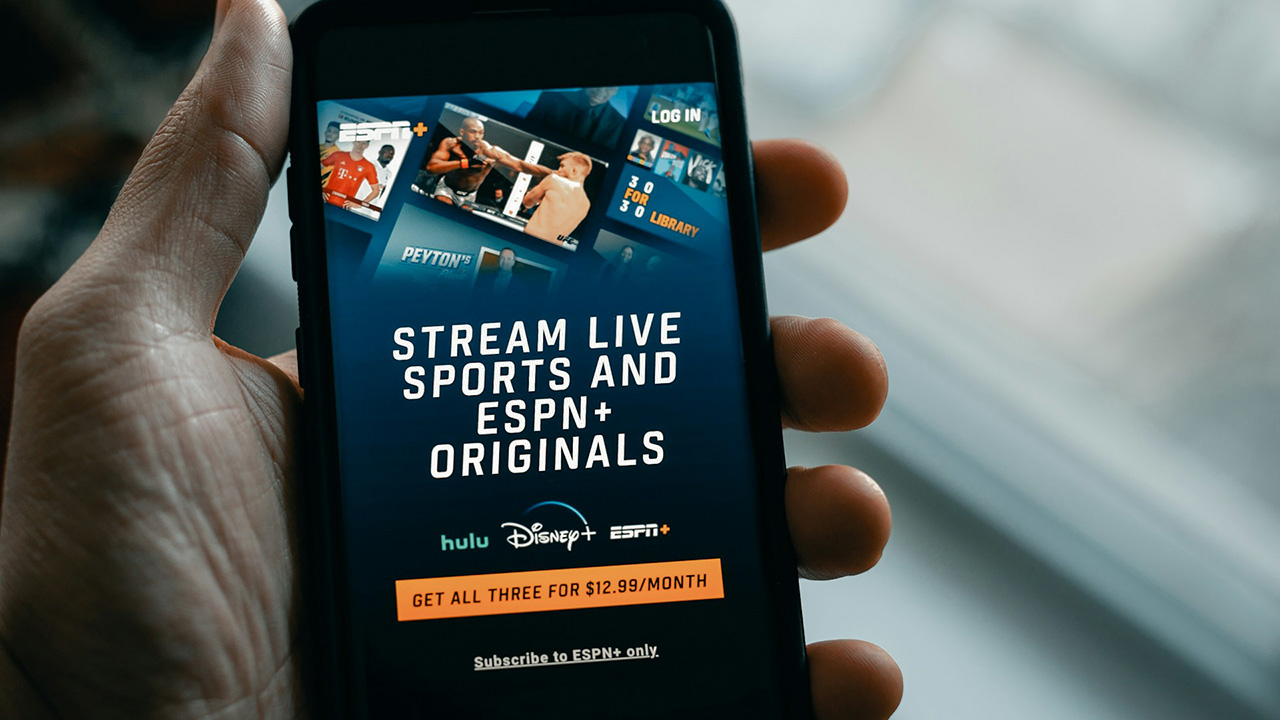
Why streaming bundles are changing again and who benefits most
Photo credit: Tech Daily/Unsplash.com
Streaming bundles are shifting again as platforms, telecoms, and device makers race to repackage services you already know into deals that feel new. Instead of one giant “all you can stream” package, you are now being nudged toward smaller, targeted clusters of apps tied to your phone bill, your smart TV, or even your favorite sports league. The result is a fast-moving reshuffle of power in streaming, with savings for some viewers and higher lock‑in for the companies that sit in the middle.
The great rebundling: why streaming is looping back to cable logic
You are living through what many executives now call the great rebundling, a pivot away from the early promise of à la carte streaming and back toward curated packages that look suspiciously like cable, only delivered over apps. After years of chasing subscriber growth at any cost, major services are discovering that selling everything one by one is expensive to market, confusing for households, and vulnerable to churn when you cancel after a single hit show. That is why Bundling has re-emerged as a powerful strategy for driving both subscriber acquisition and retention in the streaming world, with providers arguing that a package can feel like a discount even when the underlying prices keep rising.
Analysts note that the rationale for the revival of pay TV elements is straightforward: Given that some fundamental benefits of standalone SVOD were giving way to fatigue and price sensitivity, companies are rebuilding the old bundle with new tools such as flexible billing and an advertising video on demand tier. In practice, that means you are being steered toward combinations of services that promise simplicity and a single bill, while the platforms behind them quietly share data, cross‑promote shows, and reduce their marketing costs. The result is not a return to the exact cable bundle you grew up with, but a new layer of aggregation that decides which apps you see first and which ones are buried.
Price hikes, subscription fatigue, and why bundles suddenly look attractive
The rebundling wave starts with a simple frustration: you are paying more for streaming than you expected, and the value feels less obvious than it did a few years ago. Some analysts say streamers are deliberately raising prices on ad‑free plans to push viewers toward cheaper, ad‑supported tiers, and those higher sticker prices also make bundled discounts look more generous. When you see a package that trims a few dollars off services you already use, it is easier to justify keeping them all instead of canceling one by one.
At the same time, consumers spend $22 more a month for streaming services than they did earlier in the streaming boom, a gap that has turned “subscription fatigue” from a buzzword into a real budgeting problem. That extra $22 is not just about prestige dramas, it reflects a pileup of niche apps, live sports add‑ons, and kids’ services that quietly renew in the background. Faced with that creep, a bundle that promises to cap your costs or fold multiple apps into a single discount can feel like a relief, even if the underlying trend of rising prices continues.
How consumer behavior is forcing platforms to simplify
For all the talk about content, your behavior around sign‑ups is now shaped more by deals than by individual shows. In 2024, package deals became a primary driver of sign-ups, surpassing interest in specific shows or exclusive titles, which means the old playbook of dangling one blockbuster series is no longer enough to win you over. When you decide whether to add another app, you are increasingly comparing bundles, not just catalogs, and that is pushing platforms to cooperate with rivals they once treated as enemies.
The shift is especially visible among households aged 18 to 74 with broadband access, where surveys show a clear preference for simplicity and savings over chasing every buzzy release. Instead of juggling six or seven separate logins, you might prefer a single interface that surfaces your main services and hides the rest, even if that means giving up some control. That desire for order is why aggregation hubs, from smart TV menus to carrier dashboards, are becoming gatekeepers that decide which bundles you see and which you never discover.
Skinny bundles, sports add‑ons, and the new shapes of a package
The modern bundle is not a monolith, it is splintering into formats designed to match how you actually watch. The Rise of Skinny Streaming Bundles reflects a push toward leaner packages that strip out dozens of channels you never touch and instead cluster a few high‑value apps at a lower price. These skinny options are pitched as an antidote to bloated cable lineups, giving you just enough live TV, on‑demand shows, and maybe a sports tier without feeling like you are paying for the entire universe.
Sports is where the experimentation is most aggressive, because live games still command appointment viewing and justify premium pricing. Not only is the streamer Peacock available via Prime Video Channels as of last week, further cementing Amazon as a central marketplace, but that move also shows how leagues and rights holders can be repackaged into sports‑centric bundles that sit inside a larger ecosystem. When you buy a sports add‑on through Prime Video Channels, you are not just paying for a single app, you are buying into Amazon’s broader promise of valuable exposure and visible benefits across devices and services.
Telecoms and ISPs: the new bundle power brokers
If you want to see who really benefits from the new bundling wave, look at your phone and internet bill. T-Mobile is a phone plan, sure. But the cell phone giant has also made a strategy out of offering free and strongly discounted streaming subscriptions as part of its wireless packages, turning entertainment into a retention tool rather than a standalone product. When you sign up for a mid‑tier or premium line, you might unlock a streaming deal that would cost significantly more if you bought it directly, which makes it harder to walk away from that carrier later.
Rivals are racing to match that approach. Dec promotions highlight how Verizon folds entertainment into its connectivity business, with some 5G home internet customers discovering that they qualify for perks like free Disney‑branded services, a Netflix discount, or HBO‑style access without realizing it at first. By positioning these add‑ons as limited‑time or loyalty rewards, Verizon turns your streaming habits into one more reason to stay put, while the platforms themselves gain a steady flow of subscribers who are less likely to churn because canceling would mean reworking your entire home internet setup.
Platform bundles: from Roku menus to Hulu tie‑ups
Device makers and major apps are also racing to become the place where your bundle lives. If you use a modern streaming player, you have probably noticed how the home screen nudges you toward curated rows of services and free channels, especially on platforms like Roku that blend their own ad‑supported offerings with third‑party apps. By surfacing certain combinations of services and offering one‑click sign‑ups, these devices quietly assemble de facto bundles that favor partners willing to share revenue or advertising inventory.
On the software side, long‑running services are repositioning themselves as hubs rather than just standalone apps. When you land on Hulu, you are not just browsing one catalog, you are stepping into a broader ecosystem that can include live TV, premium add‑ons, and cross‑promoted content from sibling brands. That hub strategy lets a single login unlock multiple tiers and channels, which feels convenient for you but also gives the parent company more leverage when negotiating carriage, advertising, and data‑sharing deals with other streamers.
Retail and tech ecosystems: Peacock and Apple TV as bundle anchors
Big tech and retail ecosystems are turning streaming bundles into one tile in a much larger loyalty puzzle. Peacock and Apple TV also recently launched two bundle options: one for Peacock Premium and Apple TV, and another for a higher‑tier combination that is marketed as a way to save compared with paying for each service separately. Those offers, which can cut the annual cost from $95.88 to $79.99 and Save 17%, show how pairing two recognizable brands can create a sense of value even if you only watch one of them heavily.
These cross‑service deals are not just about price, they are about keeping you inside a particular hardware or app environment. When you sign up for Peacock Premium and Apple TV through a single promotion, you are more likely to use the same device, payment method, and interface for both, which strengthens the grip of the underlying platform. Over time, that can make it easier for the ecosystem owner to layer in other subscriptions, from music to cloud storage, turning your streaming bundle into a gateway for a broader subscription stack.
YouTube analysts and the rise of “best bundle” shopping
As the bundle landscape gets more complex, you are probably not comparing every offer yourself, you are watching someone else do the math. Streaming commentators like Michael have built large audiences by breaking down Big Streaming TV Changes for Oct 2025, walking through which services raised prices, which bundles emerged, and where the hidden fees lurk. Those videos function as consumer guides, translating corporate strategy into plain‑English recommendations about which packages are worth your money.
The same pattern repeats across the calendar. When Michael returned with updates for Dec 2025, he highlighted how new bundles, limited‑time discounts, and shifting sports rights were reshaping what a “must have” package looks like for different types of viewers. Other creators have gone further, with Apr explainers on Streaming in 2025 that argue you cannot have it all and instead spotlight three core bundles that cover most needs without blowing past what people spend on average for cable or satellite per month. By the time you search for a new deal, the odds are high that you will land on a “best streaming bundles of 2025” breakdown before you ever visit a provider’s own site.
Who really benefits: viewers, platforms, or middlemen?
On the surface, you benefit from bundles when they cut your bill or reduce the number of apps you need to manage. The Best Streaming Deals and Streaming Bundles in Dec highlight packages that combine HBO, Disney, and ESPN, sometimes with a 40 percent off deal that looks generous compared with buying each service à la carte. For a family that watches prestige dramas, kids’ animation, and live sports, that kind of cluster can feel like a straightforward win, especially if it replaces a more expensive cable subscription.
Yet the deeper advantage often lies with the companies that sit between you and the content. Bundling has re-emerged as a powerful strategy because it lowers marketing costs, smooths out subscriber churn, and increases demand for streaming bundles that lock you into a particular ecosystem. Payment platforms argue that 2025 is the year bundling takes center stage, with Jan forecasts from Bango predicting that subscription services and super‑bundles will be redefined around a single checkout and unified rewards. In that world, the middleman who controls billing and discovery can quietly extract a toll from every service you use, even as you enjoy short‑term savings.
How to shop smarter as bundles keep evolving
To navigate this shifting terrain, you need to treat bundles as tools, not as default destinations. Start by listing the shows, sports, and channels you actually watch in a typical month, then compare that list against the contents of any package you are considering, whether it is a skinny streaming bundle promoted in Jan forecasts about The Rise of Skinny Streaming Bundles or a telecom‑backed deal tied to your phone plan. If half the apps in a bundle are ones you would never open, the discount may be less impressive than it looks on paper.
It also helps to lean on independent breakdowns that put real numbers next to each option. Jun reviews of These Are the Best TV Streaming Bundles of 2025, for example, walk through how streaming television has gotten way too expensive and why saving a few bucks through a smart package can matter more than chasing every exclusive. When you combine that kind of analysis with up‑to‑date guides on The Best Streaming Deals and Streaming Bundles in Dec, plus real‑world anecdotes from creators who test bundles over time, you can decide whether a given offer truly lowers your costs or simply rearranges them into a more confusing bill.