Landlord Changed the Locks With Cats Inside After a Failed Eviction Attempt
Photo credit: Nowrundown.com
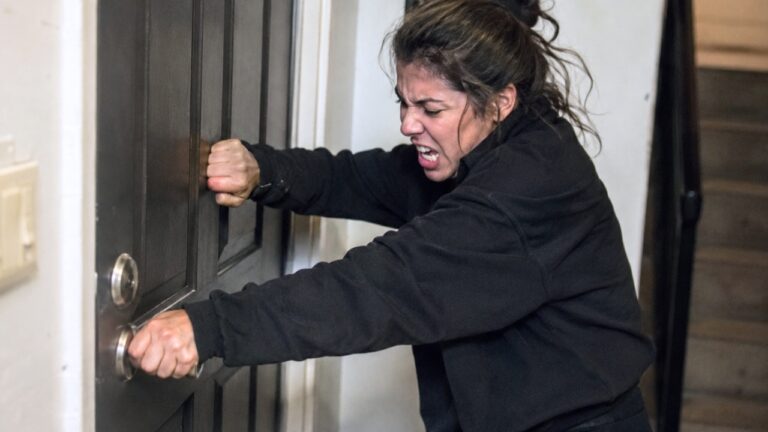
A Texas tenant said a landlord dispute became urgent after the landlord allegedly changed the locks following a failed eviction attempt, leaving the tenant’s cats trapped inside the home.
The tenant shared the situation in a post on r/legaladvice, explaining that the landlord had already tried to evict them but had not successfully completed the process. According to the tenant, after that failed attempt, the landlord changed the locks anyway.
That alone would be alarming. Lockouts can create serious legal problems when they happen outside the proper eviction process. A landlord cannot usually decide on their own that a tenant is out and then simply change the locks without following the rules required by the state and the court.
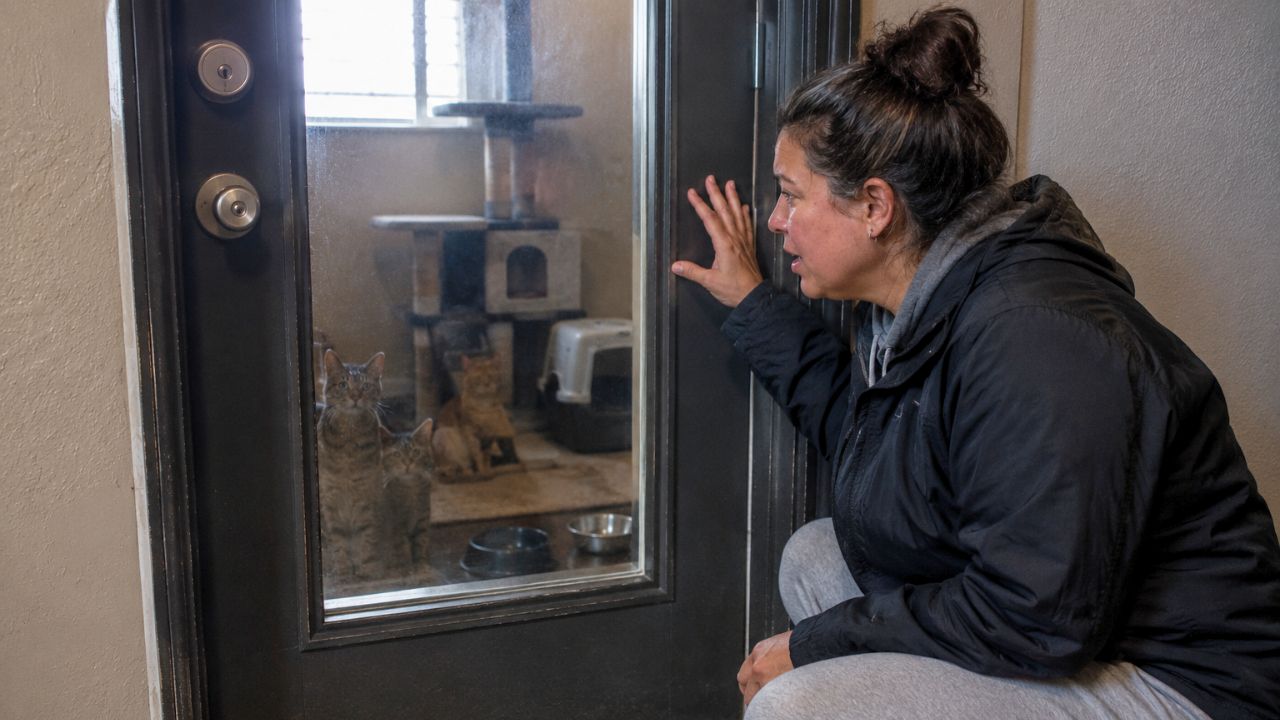
But in this case, the tenant said their cats were still inside.
That detail made the lockout feel even more urgent. The tenant was not only worried about getting access to belongings, documents, clothing, medication, or work items. They were worried about living animals trapped inside a home they could no longer enter.
The cats changed the timeline. A person locked out of a rental may be able to stay with a friend for the night while they figure out the legal side. But pets inside the locked home need food, water, litter access, and ventilation. If the landlord refused to let the tenant back in, the situation was no longer only about housing. It became an animal welfare concern too.
The tenant wanted to know what to do next. Could they call police? A locksmith? Animal control? A lawyer? Was this an illegal lockout? Could the landlord be forced to let them in? Did the failed eviction attempt matter?
Those questions matter because eviction rules exist to stop exactly this kind of self-help action. If a landlord believes a tenant should leave, the landlord usually has to go through the legal process and obtain the proper court order before removing them. Changing locks before that point can put tenants in a dangerous position, especially when they still have belongings or pets inside.
The failed eviction attempt made the situation even more important. If the landlord had already tried and failed to remove the tenant through court, then changing the locks afterward could look like an attempt to get around the process. That is the kind of detail tenants need to document quickly.
The tenant also had to think carefully about how to regain access. Breaking back in could create new problems. Waiting too long could put the cats at risk. Calling the landlord might not work if the landlord had already chosen to lock them out. Police might treat it as a civil matter unless the tenant could clearly show they still had a right to be there.
The post did not describe a normal end-of-lease move-out. It described a tenant who believed they still had legal occupancy, a landlord who changed locks after an eviction attempt failed, and cats still inside the unit.
Commenters focused first on the pets and the lockout.
Several people said the tenant should contact local authorities quickly, including police nonemergency, animal control, or a tenant emergency hotline, and explain that the landlord changed the locks while the tenant’s cats were inside. The animal-welfare part could make the situation more urgent than a basic property-access dispute.
Others said the tenant needed to gather proof that they still had the right to occupy the home. That could include the lease, rent receipts, court documents showing the eviction attempt failed, text messages, emails, and anything showing the landlord changed the locks before completing the legal process.
Commenters also urged the tenant to keep communication with the landlord in writing. A message asking for immediate access to retrieve or care for the cats would create a record. If the landlord refused, delayed, or ignored the request, that could matter later.
Some commenters warned against breaking in unless local authorities or a lawyer advised it. Even if the lockout was illegal, forcing entry could turn the situation into a separate dispute. The safer path was to involve police, animal control, a tenant lawyer, or the court as quickly as possible.
Several people suggested looking up Texas tenant lockout procedures immediately. In some places, tenants may have emergency remedies when a landlord unlawfully locks them out, including court orders requiring access. The tenant needed local help fast because the cats were still inside.
The post did not end with the cats safely removed or the landlord penalized. It ended at the most stressful point: the tenant was locked out, the eviction had not gone through, and the animals were trapped behind a door the landlord had changed.
That is what made the situation so serious. A landlord-tenant fight is already stressful, but locking pets inside takes away the luxury of waiting days for paperwork to catch up.
Commenters did not tell the tenant to treat it like a normal disagreement with the landlord. They told them to document the failed eviction, contact authorities, seek emergency tenant help, and make the cats’ safety the immediate priority.
Because when a landlord changes the locks after a failed eviction attempt and pets are still inside, the issue is not only access to an apartment. It is whether the landlord tried to bypass the law and left living animals caught in the middle.
Check out more from Now Rundown:
- A Party of 12 Came Back a Month Later Demanding Their $80 Tip Refunded — My Restaurant Made Me Pay It
- Her Coworker Kept Filing the Same Complaint About Her After Being Warned — Then She Filed a Counter-Report With Every Email Documented
- Siblings Demanded Half of Their Sister’s $11 Million Inheritance — She Refused Because They Never Visited
- The Kid I Bullied in Middle School Just Interviewed for a Job on My Team — He Bombed It and I Didn’t Hire Him

Abbie Clark is the founder and editor of Now Rundown, covering the stories that hit households first—health, politics, insurance, home costs, scams, and the fine print people often learn too late.