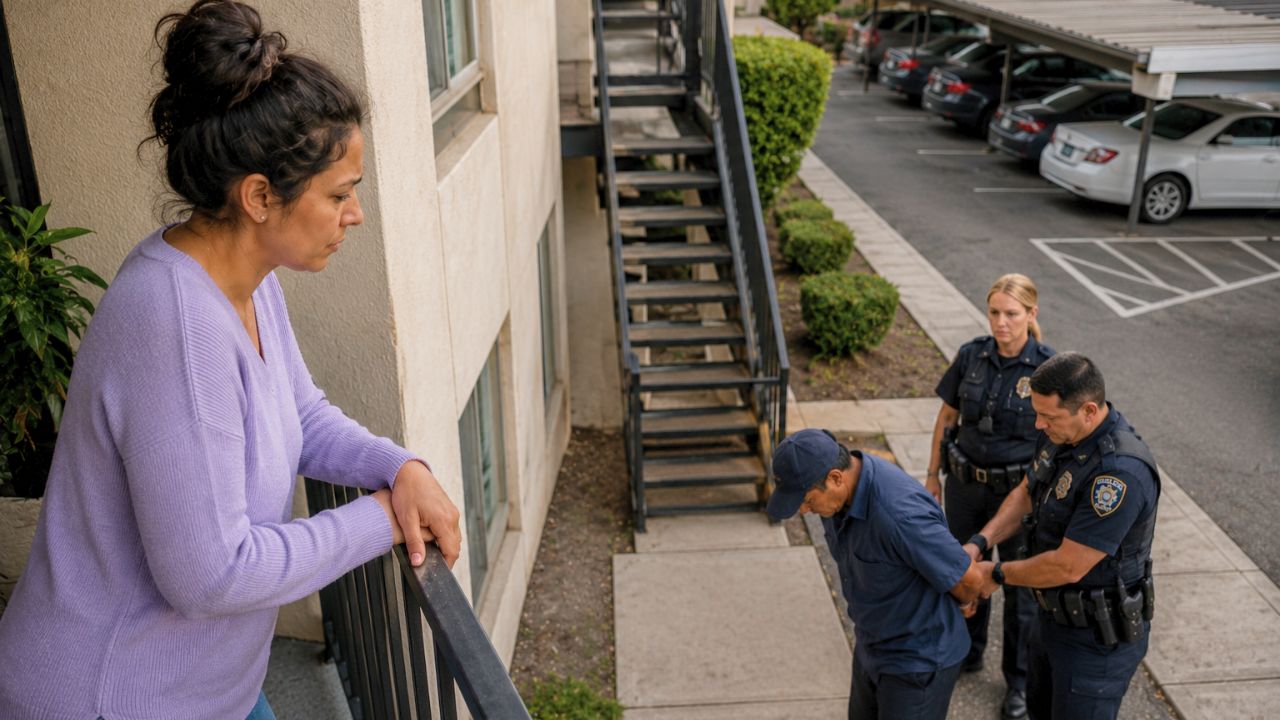
Maintenance Guy Used an Apartment Key to Steal, Tenant Says — Then Police Identified Him
Photo credit: Nowrundown.com
A tenant said a theft inside their apartment became even more disturbing after they learned the person accused of taking their belongings was not a random stranger, but a maintenance worker who allegedly used an apartment key to get inside.
The tenant shared the situation in a post on r/legaladvice, explaining that the suspected thief had access because of his job. That detail changed the entire situation. A break-in through a window or forced door is frightening, but at least it makes sense in a basic way. Someone outside the home forced their way in.
This was different.
According to the tenant, the maintenance worker allegedly used a key connected to the apartment complex to enter and steal. That meant the security problem was not only a door, lock, or one stolen item. It raised questions about who had keys, how access was tracked, and whether the property had allowed someone unsafe into tenants’ homes.
A renter has to trust the people who control maintenance access. They may not know which workers have keys, when those keys are used, how many copies exist, or whether the property keeps logs. When a worker abuses that access, the tenant is left feeling like the apartment is no longer private. The door can be locked, but the wrong person may still be able to walk in.
The tenant said police identified the maintenance worker. That gave the situation a stronger direction than many apartment theft cases have. Often, tenants suspect maintenance because of timing, but cannot prove who entered or when. In this case, the post indicated that law enforcement had identified the person involved, which raised the next question: what responsibility did the apartment complex have?
The tenant wanted to know what they could do about the stolen property and the access issue. Could they hold the apartment complex responsible? Could they demand the locks be changed? Could they break the lease? Should the landlord reimburse them? What if the stolen items were not recovered?
Those questions matter because the worker’s employment is part of the problem. If a random burglar steals from an apartment, the landlord may not be responsible unless there was negligence with locks, security, or warnings. But if a maintenance employee uses property-issued access to steal, tenants naturally ask whether the complex failed to supervise, screen, secure, or track its own staff.
The situation also creates fear beyond the lost property. If one maintenance worker entered without permission, the tenant may wonder whether it happened before. They may worry about personal documents, electronics, medication, jewelry, photos, or private spaces being searched. They may no longer feel comfortable submitting maintenance requests or leaving the apartment unattended when workers are scheduled.
The post did not describe a simple missing-item complaint. It described a tenant learning that access to their unit may have been used against them by someone connected to the property.
Commenters focused on both the criminal case and the landlord-tenant side of the issue.
Several people said the tenant should keep working with police and get a report number. If the maintenance worker was identified, the tenant needed the case documented clearly, including what was taken, when the entry happened, and how police tied the worker to the theft.
Others said the tenant should give the apartment complex written notice of what happened and ask for immediate security steps. That included changing or rekeying the locks, reviewing who had access to the unit, and explaining how maintenance keys were controlled.
Commenters also told the tenant to make a detailed list of stolen property. Receipts, serial numbers, photos, warranty records, bank statements, and purchase histories could all help prove value. That would matter for a police case, renters insurance, or any request for reimbursement from the property.
Some commenters suggested contacting renters insurance, but others noted that insurance may not make the tenant whole if there is a deductible or excluded property. If the apartment complex’s employee used a key to steal, commenters said the tenant could also ask the property to compensate them or file a claim through the property’s insurer.
There was also discussion about lease options. Some commenters said the tenant should review the lease and local law to see whether the incident could support breaking the lease or demanding different housing. The answer would depend on the location, the lease language, the property’s response, and whether the tenant could show the home was no longer secure.
The post did not end with a confirmed reimbursement or lease release. It ended with the tenant trying to figure out how to respond after the person accused of stealing was tied directly to the apartment’s own maintenance access.
That is what made the situation so serious. The tenant was not only missing property. They had to question the security of the entire rental setup.
Commenters did not tell them to treat it like a normal theft and move on. They told them to preserve the police report, document the losses, demand lock changes and access records, contact insurance, and push the property to answer for how a maintenance worker allegedly used a key to enter the apartment.
Because when a maintenance worker uses an apartment key to steal from a tenant, the issue is not only who took the belongings. It is whether the landlord’s own access system made the theft possible.
Check out more from Now Rundown:
- A Party of 12 Came Back a Month Later Demanding Their $80 Tip Refunded — My Restaurant Made Me Pay It
- Her Coworker Kept Filing the Same Complaint About Her After Being Warned — Then She Filed a Counter-Report With Every Email Documented
- Siblings Demanded Half of Their Sister’s $11 Million Inheritance — She Refused Because They Never Visited
- The Kid I Bullied in Middle School Just Interviewed for a Job on My Team — He Bombed It and I Didn’t Hire Him

Abbie Clark is the founder and editor of Now Rundown, covering the stories that hit households first—health, politics, insurance, home costs, scams, and the fine print people often learn too late.