Bail Bondsman Allegedly Had Someone Watching His House — Then a Suspicious SUV Kept Coming Back
Photo credit: Nowrundown.com
A Texas resident said a dispute involving a bail bondsman turned into a safety concern after he believed someone was watching his home and a suspicious SUV kept showing up nearby.
The resident shared the situation in a post on r/legaladvice, explaining that the issue involved a bail bondsman and repeated activity around his house. According to the post, the resident believed the bondsman had someone watching him, and a vehicle kept appearing in a way that made the situation feel targeted.
That kind of concern is hard to handle because it sits in a gray area. A strange vehicle on the street might be nothing. Someone sitting in an SUV could be waiting for a friend, taking a call, looking at directions, or parked near the wrong house. But when there is already a dispute involving someone with a reason to watch or pressure you, the same vehicle can feel very different.
The resident wanted to know whether he could get a restraining order against the bail bondsman. That question suggested the situation had already moved beyond annoyance. He was not only bothered by someone’s presence. He felt like the pattern was serious enough that court protection might be needed.
A bail bondsman situation can make a person feel especially uneasy because bondsmen often deal with people who are trying to locate someone, recover someone, or pressure someone connected to a bond. Even when a bondsman is acting within legal limits, the person on the receiving end may not understand what is allowed, what crosses the line, and when police or courts should get involved.
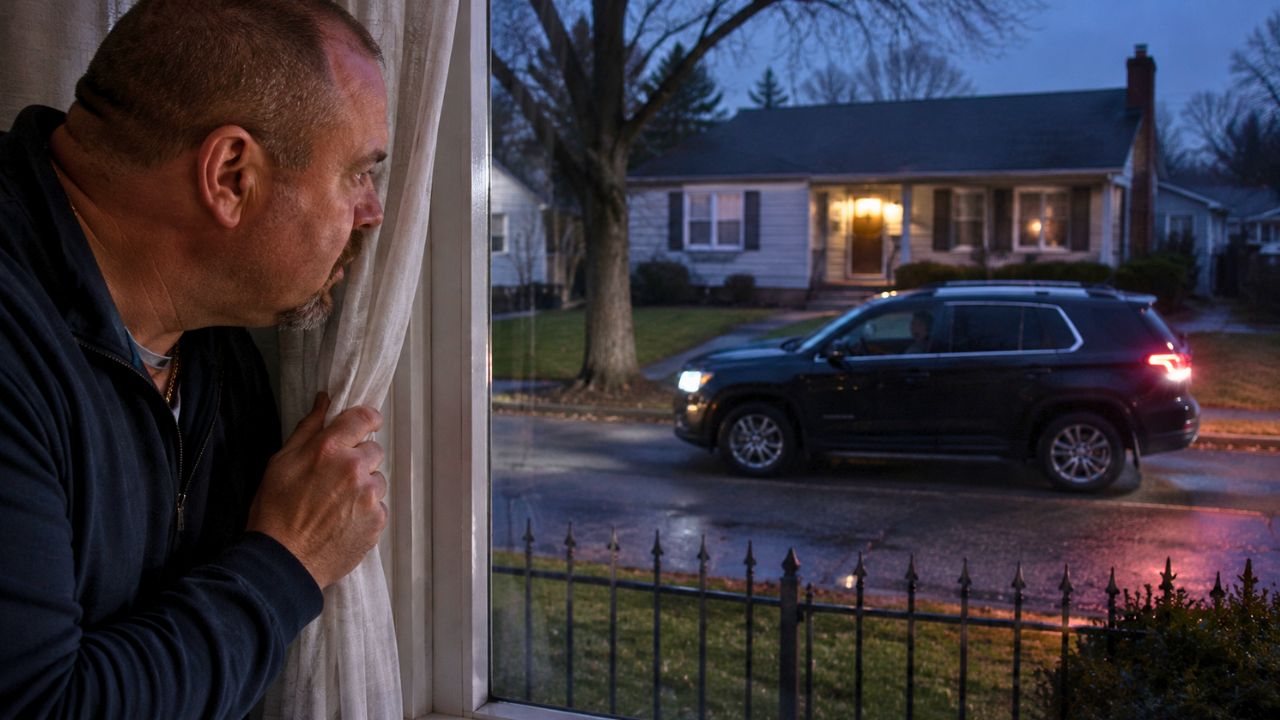
The suspicious SUV was the detail that made the situation feel more personal. The resident believed the vehicle was connected to the bondsman and that it kept coming back. If someone is repeatedly parked near your home, it can change how you live. You may check the window before leaving, avoid opening the door, wonder if they are watching who comes and goes, or worry about family members being approached.
The resident needed a way to separate suspicion from evidence. If he wanted a restraining order, he would likely need more than a feeling that someone was watching him. He would need dates, times, vehicle descriptions, photos, license plate information if safely visible, messages, threats, witnesses, or reports showing a pattern.
That can be frustrating when the behavior itself is meant to be intimidating but not obvious. Someone does not have to knock on the door or shout a threat for a person to feel watched. But courts and police usually need specific facts.
The post did not describe the resident confronting the SUV or getting a final answer from court. It captured the point where someone felt the situation was becoming more than a private dispute and wanted to know what legal protection might be available.
Commenters focused on evidence. Several people said that if the resident believed he was being watched or followed, he needed to document every incident as clearly as possible.
That meant writing down dates, times, locations, vehicle descriptions, and what the person or vehicle did. If the SUV parked near the house, he could note how long it stayed. If it returned multiple times, the pattern mattered. If he could safely take photos from his own property, those might help, but commenters warned against confronting the people directly.
Others said a restraining order usually requires more than someone being near your property. Depending on the jurisdiction, the resident may need to show threats, harassment, stalking, intimidation, or repeated unwanted contact. A suspicious vehicle may support that claim, but it may not be enough on its own.
Several commenters suggested contacting police through the nonemergency line when the SUV appeared. Officers could check on the vehicle, document the call, or tell the person to move along if appropriate. Even if police did not make an arrest, each call could help create a record.
There was also advice to preserve any communication with the bail bondsman. Texts, voicemails, letters, calls, or messages could show whether there were threats or attempts to pressure the resident. If the bondsman had made direct contact, those details would matter more than the SUV alone.
Some commenters urged the resident to speak with a local attorney if the bondsman’s conduct felt like harassment. A lawyer could explain whether a restraining order, police report, complaint to a licensing agency, or other civil option made sense.
The post did not end with a restraining order granted or the SUV identified. It ended with the resident trying to figure out how to respond to a situation that felt threatening but needed documentation before anyone could act.
That is what made the situation so frustrating. Feeling watched at your own home can be deeply unsettling, but the legal system usually needs more than unease. It needs a pattern that can be shown.
Commenters did not tell the resident to confront the SUV or accuse people without proof. They told him to document everything, call police when the suspicious vehicle appeared, save communications, and get local legal advice if the pattern continued.
Because when someone thinks a bail bondsman has people watching their house, the question is not only whether it feels intimidating. It is whether the person can build a record strong enough for police or a court to do something about it.
Check out more from Now Rundown:
- A Party of 12 Came Back a Month Later Demanding Their $80 Tip Refunded — My Restaurant Made Me Pay It
- Her Coworker Kept Filing the Same Complaint About Her After Being Warned — Then She Filed a Counter-Report With Every Email Documented
- Siblings Demanded Half of Their Sister’s $11 Million Inheritance — She Refused Because They Never Visited
- The Kid I Bullied in Middle School Just Interviewed for a Job on My Team — He Bombed It and I Didn’t Hire Him

Abbie Clark is the founder and editor of Now Rundown, covering the stories that hit households first—health, politics, insurance, home costs, scams, and the fine print people often learn too late.