Man Put His Ex-Wife on a No Contact List With Their Kids — Then Faced Backlash From His Entire Family
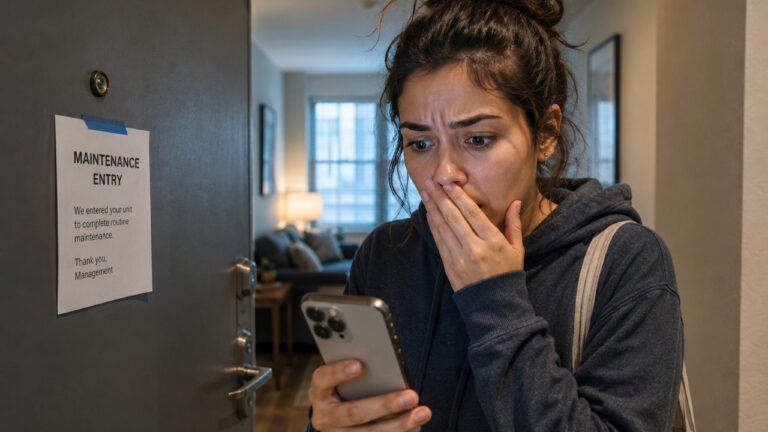
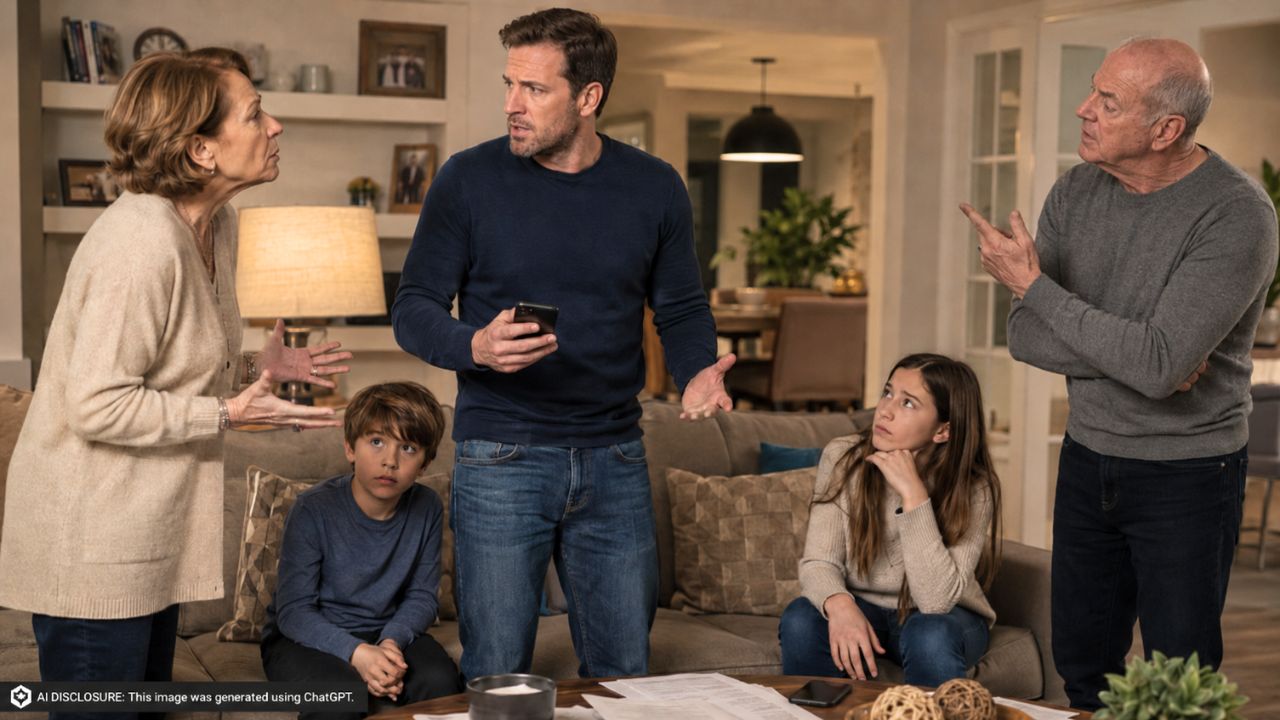
Photo credit: AI-generated image created using ChatGPT. Illustrative only
A divorced man says he finally drew a hard line after watching his ex repeatedly use his grandmother’s declining memory as leverage. The move that followed—calling the care home and placing his ex on a “no contact” list—didn’t just cut off visits. It also set off a wave of anger from people around him who believed he was being cruel, not protective.
In the original post, the 35-year-old explained that the marriage ended quickly after he learned his ex-wife, “Zoe,” had cheated “in retaliation” for a cheating suspicion he says was false. They had no children, the house was his, and the divorce was finalized at the start of the prior year. But the split didn’t end the relationship drama—it just moved it into a far more sensitive place: his grandmother’s group home.
He thought he was being generous by letting her keep visiting
The man described his grandmother as “an amazing woman” who now needs round-the-clock care because of a deteriorating mental state. Physically, he said, she’s doing well—but she struggles with memory and daily tasks, the kind of decline that makes routines and clarity crucial.
After the divorce, Zoe asked if she could still visit the grandmother. He agreed. At the time, it likely seemed like a small kindness and a way to keep peace, especially if Zoe genuinely cared for the older woman.
But what looked like a respectful continuation of a bond started shifting, and not in a subtle way. He says Zoe began treating visits like an opportunity to keep herself anchored in his life—through his grandmother.
The visits turned into a story where the marriage never ended
According to the man, Zoe brought framed wedding photos for the grandmother’s bedside and talked about the couple as if they were still together. The most painful part wasn’t the nostalgia—it was the confusion it created for someone who already struggled to keep facts straight.
He says Zoe also used the grandmother as a messenger, sending along emotional “messages” intended for him, like: “Zoe told me to tell you you’re the love of her life.” For him, it meant constantly re-explaining the divorce to his grandmother, then trying to calm the frustration that followed.
He confronted Zoe and told her to stop. He says she did—for a while. But another pattern emerged: Zoe would “happen” to show up at the group home at the same time he was there.
He suspected she was tracking his visits through a calendar his grandmother kept on the wall, one where he marked the days he planned to stop by. Whether she photographed it or simply checked it when she visited, he believed Zoe was using it to manufacture “chance” encounters.
Things escalated the moment he started dating someone new
The breaking point came after he began seriously dating a woman he calls “Claire,” a 28-year-old paralegal. He says he told his grandmother about the relationship weeks earlier, and that she had been “extremely happy” for him.
Then, during a Zoom call, he noticed his grandmother was unusually agitated. When he asked what was wrong, she told him she was “extremely upset” after hearing from Zoe that he was “throwing away our relationship to date an underage floozy.”
To him, it wasn’t just an insult aimed at his girlfriend. It was evidence that Zoe was still feeding his grandmother a version of reality designed to guilt him back into the marriage—while dragging a new person into it and upsetting an elderly woman who can’t easily separate truth from suggestion.
He decided he was done trying to manage it informally. He called Zoe and told her she could no longer visit. Then he contacted the group home directly and instructed staff not to accept calls from Zoe or allow her visits.
A “no contact” request with real-world consequences
This wasn’t a vague request to “stop dropping by.” By contacting the facility, the man used one of the few concrete tools families often have: asking care staff to restrict certain visitors or callers to protect a resident’s wellbeing.
Zoe pushed back hard. She argued that he was “depriving her of a woman she sees as her own blood.” From her perspective, the relationship with the grandmother wasn’t collateral damage—it was family, and she believed she had earned the right to maintain it.
He saw it differently. In his view, Zoe wasn’t visiting as a supportive former relative. She was using private access to a vulnerable person to manipulate emotions, rewrite history, and apply pressure that he couldn’t easily stop without turning the whole facility into a gatekeeper.
That’s where the family backlash comes in. Once a move like this is made, it stops being a private divorce boundary and becomes a family policy. Someone gets labeled the villain, especially if others only see the surface: a woman being banned from visiting an elderly person she loves.
What people latched onto: protecting a vulnerable adult and closing loopholes
Even with limited details beyond the man’s account, the core issue people focused on was simple: the grandmother’s cognitive decline changes the stakes. When someone can’t reliably remember what’s true, emotionally loaded “updates” about relationships can function like coercion—whether or not the speaker calls it that.
The other practical point was access. If Zoe could see the visit calendar, time her arrivals, and pass messages through the grandmother, then the man wasn’t just dealing with an awkward ex. He was dealing with a system that accidentally helped her. Cutting off visits and calls was his way of removing the tools, not just arguing about behavior.
People also zeroed in on the specific trigger that set this off: Zoe telling the grandmother a story that painted his girlfriend as “underage.” Even though the man says Claire is 28, the accusation wasn’t made to fact-check ages. It was made to upset the grandmother and frame him as someone doing something shameful.
In situations like this, the practical advice tends to revolve around keeping communication with the facility clear and consistent—making sure staff understand who is and isn’t allowed to contact the resident, and why emotional agitation matters as much as physical safety.
He’s left choosing between peacekeeping and protection
The man’s choice closes one door but opens another: family members who sympathize with Zoe may now treat him like the person who “took something away” from his grandmother, even if he believes he’s shielding her from distress. And if Zoe has already been telling others that he “abandoned” her and “gave up” on the marriage, he may be fighting a reputation battle at the same time.
Still, his post makes clear that his biggest concern isn’t winning an argument with his ex. It’s stopping a cycle where his grandmother gets wound up, confused, and hurt—then has to be soothed by the same grandson Zoe is trying to pressure.
For now, the boundary is in place: no calls, no visits, no more “messages.” Whether his family accepts that as necessary protection—or keeps treating it as punishment—may decide how messy the next chapter gets.
Check out more from Now Rundown:
- A Party of 12 Came Back a Month Later Demanding Their $80 Tip Refunded — My Restaurant Made Me Pay It
- Her Coworker Kept Filing the Same Complaint About Her After Being Warned — Then She Filed a Counter-Report With Every Email Documented
- Siblings Demanded Half of Their Sister’s $11 Million Inheritance — She Refused Because They Never Visited
- The Kid I Bullied in Middle School Just Interviewed for a Job on My Team — He Bombed It and I Didn’t Hire Him

Abbie Clark is the founder and editor of Now Rundown, covering the stories that hit households first—health, politics, insurance, home costs, scams, and the fine print people often learn too late.