
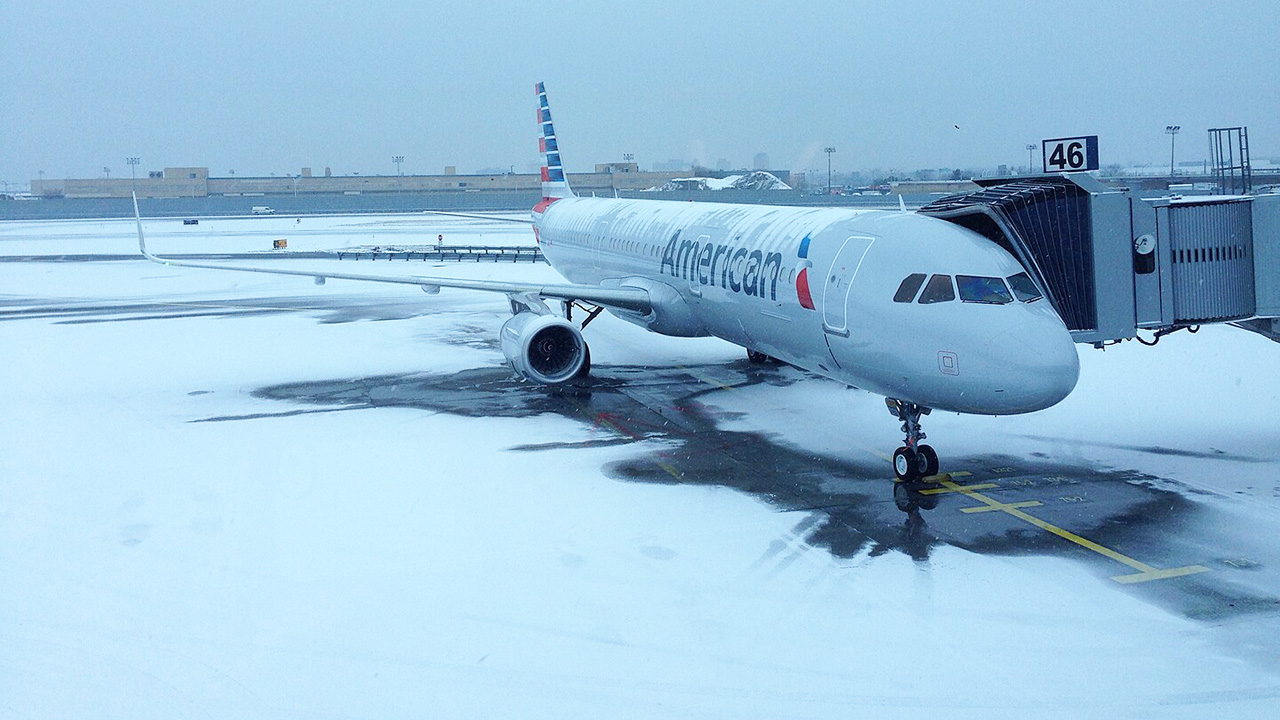
Winter storm across the Northeast triggers thousands of flight delays and cancellations
As a powerful winter system swept across the Northeast and Great Lakes during the peak holiday rush, your odds of getting where you were going on time dropped sharply. Thousands of flights were delayed or canceled in a matter of hours, leaving terminals packed, departure boards blinking red, and travelers scrambling for backup plans.
What began as a routine seasonal storm quickly turned into a regionwide test of aviation resilience, with major hubs from New York to Boston struggling to keep runways clear and schedules intact. If you were flying through the Northeast this weekend, the storm was not just a weather story, it was the defining factor in whether you made it home, missed a connection, or slept on an airport floor.
Storm setup: how the system blindsided holiday travelers
You were dealing with more than a passing flurry. A strong winter system pushed across the US Northeast and Great Lakes, combining heavy snow, gusty winds, and pockets of ice that made flying hazardous and ground operations slow. Forecasters warned that the storm would intensify from Friday evening into Saturday, and that proved accurate as visibility dropped and plows struggled to keep up at some of the busiest airports in the country.
By the time the core of the system moved through, the impact stretched from New York and Boston to smaller regional fields around the lakes. A detailed forecast showed that More than 2,000 flights were canceled or delayed across the Northeast and Great Lakes on Saturday alone, a figure that captured just how disruptive the storm became for anyone trying to fly in or out of the region.
Where the gridlock hit hardest
If your itinerary routed you through New York, you were at the center of the chaos. Major hubs like John F. Kennedy International and LaGuardia saw delays stack up as snow bands moved over the city and crews raced to de-ice aircraft. The storm’s timing, hitting during one of the busiest travel stretches of the year, meant that even short disruptions cascaded into hours of waiting as departure slots vanished and arriving planes circled or diverted.
Across the broader corridor, airports from the Northeast to the Great Lakes reported similar strain, with some runways briefly closed for clearing and taxiways turning into bottlenecks. In New York, coverage noted that flight delays and cancellations piled up at JFK and LaGuardia as the storm evolved, with updates marked as Updated Dec advisories tracked in real time while you watched your departure time slide later and later.
How many flights were actually wiped off the board
From your perspective at the gate, it may have felt like every other flight was being scrubbed, and the numbers come close to matching that impression. Airlines began preemptively canceling services as the storm’s path firmed up, trying to avoid having aircraft and crews stranded in the wrong cities. That strategy translated into hundreds of flights disappearing from schedules before the worst of the snow even arrived, followed by another wave of cancellations once conditions deteriorated.
Nationally, carriers scrapped 600 U.S. flights on Saturday after more than 1,700 cancellations on Friday as the winter storm intensified, with a significant share of those disruptions concentrated in the Northeast. Separate tallies reported at least 1,500 flights canceled as snow hit the Northeast during the holidays, underscoring how quickly your odds of flying on schedule dropped once the system settled over the region.
Inside the terminals: what travelers actually faced
On the ground, the statistics translated into very human scenes of frustration and fatigue. You might have found yourself in a snaking line at a customer service desk, trying to rebook a missed connection while your phone battery inched toward zero. Families camped out on the floor near outlets, business travelers refreshed airline apps every few minutes, and gate agents fielded a steady stream of questions they often could not answer definitively because the weather kept shifting.
Reports from the region described Air travelers in the northeast left waiting in airports as thousands of flights were delayed by mid-morning Saturday, with writer Graig Graziosi noting how quickly the backlog grew. At some hubs, announcements urged patience while crews de-iced wings and cleared taxiways, but for you, the practical reality was hours of uncertainty and a growing scramble for scarce hotel rooms near the airport.
Why airlines pulled flights so aggressively
From the outside, it can be tempting to assume airlines simply overreacted, but the operational logic behind the mass cancellations is more complicated. When a winter storm targets a dense cluster of major hubs, carriers have to decide whether to attempt to fly through marginal conditions or to thin out schedules in advance. In this case, they opted for aggressive cuts, reasoning that a controlled reduction in flights would be safer and easier to recover from than a chaotic day of rolling delays and diversions.
Industry data showed that Airlines canceled hundreds of flights as the storm moved in, with Newark and other Northeast hubs among the hardest hit. At the same time, meteorologists with the National Weather Service warned that Friday’s storm wrapping up in the Northeast could still bring conditions strong enough to knock out power to homes and businesses, a reminder that the same winds and snow grounding your flight were also threatening infrastructure on the ground.
Scale of the storm: who was in the crosshairs
If you felt like nearly everyone you knew was dealing with the same weather, that was not far from the truth. The system covered a huge swath of the country, with snow stretching from the Midwest into the Northeast and lake-effect bands adding extra accumulation in some communities. That broad footprint meant that even if your departure airport stayed relatively clear, your destination or a key connection point might have been buried in snow, forcing last-minute changes.
Forecasts indicated that More than 40 m Americans were under winter storm warnings or weather advisories as heavy snow was expected, and that same system was linked to Thousands of flights being canceled during peak holiday time. In the Northeast and Great Lakes corridor, coverage described how Winter storm disrupts holiday travel across the Northeast and Great Lakes, with some areas picking up around 10 inches (25 centimeters) of snowfall that made both flying and driving treacherous.
Regional snapshots: from New York streets to Great Lakes runways
On city streets, the same snow that ruined your flight plans created postcard scenes that drew people outside. In New York, crowds gathered to photograph familiar landmarks transformed by fresh powder, even as traffic crawled and subway entrances turned slushy. If you stepped out of the terminal for a breath of air, you might have seen the contrast firsthand, with plows rumbling past while families posed for photos in the falling snow.
Images from the region showed People gather on Washington Street as snow fell during a winter storm in the Brooklyn Borough of New York City, while separate reporting from the Great Lakes region noted Snow is seen piled up on the field before the Pinstripe Bowl NCAA college football game between Clem and its opponent, with some areas seeing as much as 10 inches of accumulation. Together, those snapshots captured the dual nature of the storm, beautiful from a distance but deeply disruptive if you needed to be somewhere on time.
How officials and airlines tried to keep you safe
Behind the scenes, local and federal officials were urging you to put safety ahead of rigid travel plans. Advisories encouraged drivers to stay off icy roads and asked air travelers to monitor their flights closely, with some agencies explicitly recommending that people delay nonessential trips. For aviation, the priority was keeping runways and taxiways safe, which meant slowing operations when visibility dropped or when crews needed extra time to treat surfaces.
In New York, one account described how NEW YORK officials responded as a strong winter storm slammed across the Northeast and Great Lakes from Friday evening to Saturday, urging residents to heed road closures and follow safety protocols. Elsewhere, national coverage framed the situation as a Nation Dec travel disruption, with BOSTON and other cities grappling with similar decisions about when to slow or stop operations for safety.
What you can do differently next time
If you were caught in this storm, you probably left with a mental checklist of what you would change before your next winter trip. Building more flexibility into your itinerary is one of the most powerful tools you have, whether that means flying a day earlier, choosing morning departures that are less vulnerable to cascading delays, or routing through airports that are less exposed to lake-effect snow. You can also prepare for the possibility of being stranded by packing medications, chargers, and a change of clothes in your carry-on so an unexpected overnight does not become a crisis.
On the information side, you have better tools than ever to track disruptions in real time. Official guidance highlights that Airport delay information is available through dedicated status pages that show you whether your departure field is experiencing ground stops or flow restrictions, and you can plug in the three letter identifiers of major airports to see conditions before you even leave home. Pairing those tools with airline apps and text alerts gives you a better chance of spotting trouble early, rebooking proactively, and avoiding the longest lines when the next winter system targets the Northeast.
The economic and emotional toll of a frozen air network
Beyond the immediate inconvenience, a storm of this scale carries a real financial and emotional cost that you feel even if you eventually make it to your destination. Missed family gatherings, lost workdays, and nonrefundable hotel nights add up quickly, especially when you multiply your experience by the thousands of other travelers in the same situation. For airlines and airports, the bill includes overtime for crews, extra fuel for de-icing and rerouting, and the long tail of repositioning aircraft once the weather clears.
Coverage of the broader disruption noted that Friday’s storm is wrapping up in the Northeast even as homes and businesses risked losing power, a reminder that the aviation mess was only one piece of a larger economic shock. At the same time, business-focused reporting described how FOX Business Flash updates tracked Christmas travelers left stranded as airports saw mass flight cancelations and delays, underscoring how a single winter storm can ripple through your plans, your wallet, and your stress levels long after the snow stops falling.


