Women at a Cannabis Plant Took Harassment Complaints to HR About Their Facility Manager — He Stayed, One of Them Quit, and Regulators Sued
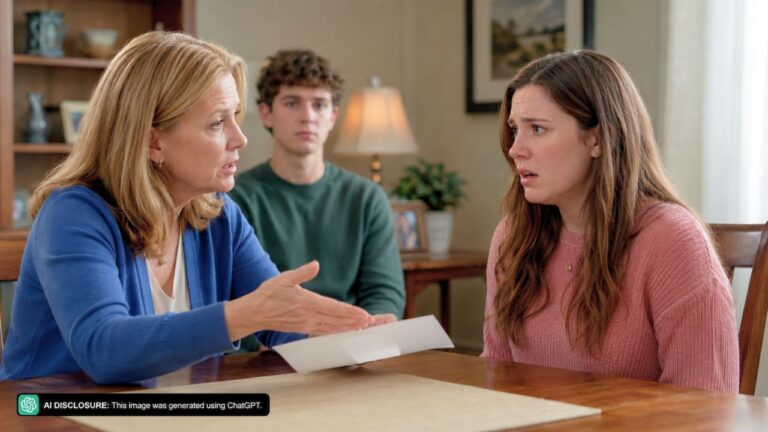
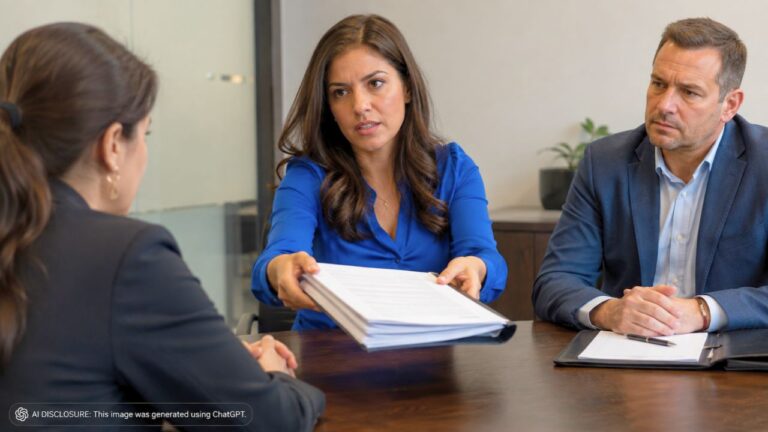
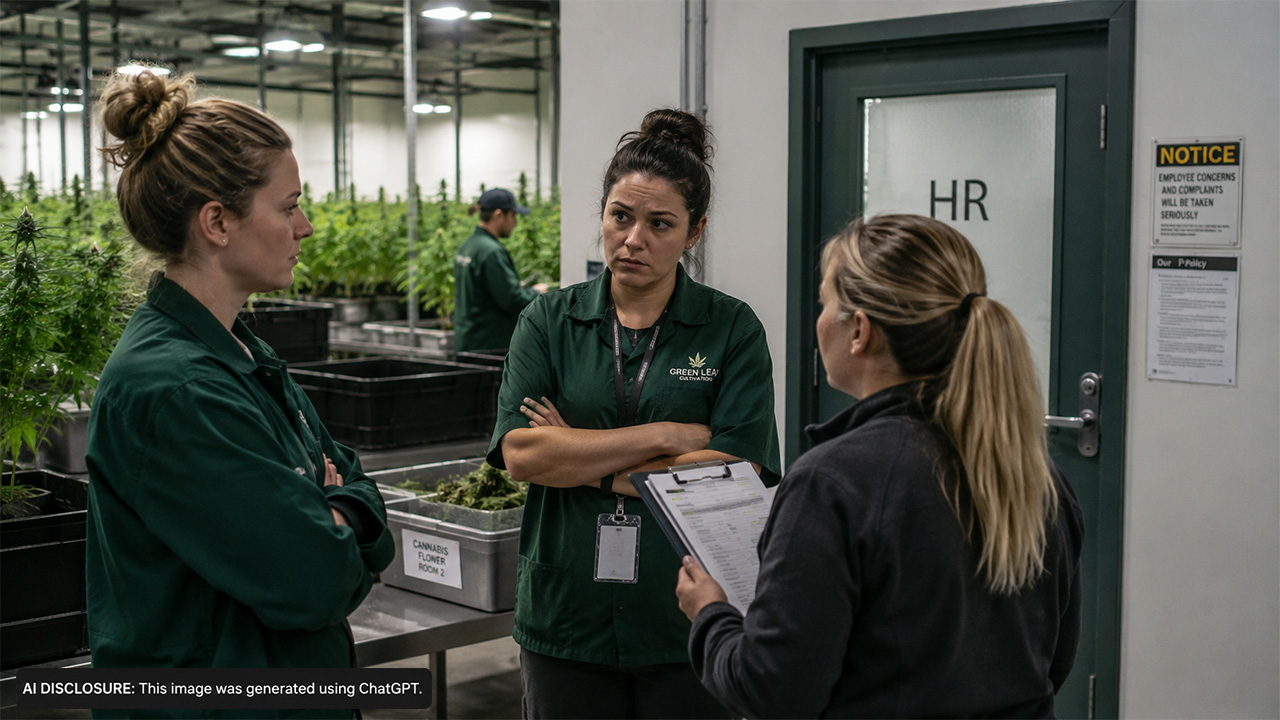
Photo credit: AI-generated image created using ChatGPT. Illustrative only
Inside a cannabis facility in Collinsville, Illinois, the job wasn’t just about production targets and long shifts. Federal regulators say female employees were dealing with hands-on harassment, sexual comments, and pressure that kept coming even after they did what workplaces tell people to do: report it.
Now the U.S. Equal Employment Opportunity Commission has taken the fight to court, suing Ascend Wellness Holdings, Inc. over what it calls a hostile work environment at the Collinsville site, as laid out in the agency’s announcement. The EEOC says the alleged harassment was so relentless that at least one woman ultimately resigned because the atmosphere became intolerable.
It wasn’t one comment — it was a steady stream
The EEOC’s lawsuit paints a picture of behavior that wasn’t subtle and wasn’t limited to one person. The agency says that at least as early as February 2021, the facility manager and other male employees “continually harassed” female employees.
The allegations include touching, sexual comments, sexual advances, requests for sexual relations, and remarks about the appearances and bodies of female employees and even customers. That mix matters, because it suggests an environment where women were being treated like targets in a workplace that should have been routine and professional.
When harassment becomes normalized, it can show up everywhere: on the floor, in passing conversations, in who gets cornered and who gets left alone. The EEOC’s description reads less like an isolated outburst and more like a pattern that kept rolling forward.
HR got the complaints — and the harassment allegedly kept going
The case hinges on what happened after women spoke up. The EEOC says “numerous female employees” complained to Ascend’s human resources personnel about the sexual harassment, but the company failed to stop it.
That’s the part that turns a bad workplace into a legal showdown. Complaints are supposed to trigger action: separating people, investigating, documenting, correcting behavior, and making it safe to work again. Instead, the EEOC’s suit claims the conduct continued, leaving employees stuck with a choice between enduring it or walking away.
Andrea G. Baran, regional attorney for the EEOC’s St. Louis District Office, summed up what the agency says is the baseline expectation: when workers complain to managers or HR about sexual harassment, employers must act promptly with effective steps to stop the behavior.
When the manager is part of it, reporting can feel like a trap
One of the ugliest details in the EEOC’s account is who it says was involved. Regulators say the facility manager himself engaged in the conduct and comments at issue.
That changes the dynamics of everything. A manager isn’t just another coworker you can avoid. A manager controls schedules, assignments, evaluations, and the everyday tone of a job. If the person with authority is the one allegedly pushing the line, employees can feel boxed in—worried about retaliation, worried they won’t be believed, worried they’ll be labeled “difficult.”
David S. Davis, director of the EEOC’s St. Louis District Office, said the alleged harassment was “particularly egregious” for that reason: it’s harder for employees to complain and get relief when the manager is the one doing it.
One worker quit — and the case moved from internal complaints to federal court
The EEOC says at least one woman resigned because the work environment had become intolerable. That kind of departure can come with a real cost: losing steady income, losing benefits, and having to explain why you left a job without sounding like you’re “causing trouble.”
From there, the dispute didn’t stay internal. The EEOC filed suit under Title VII of the Civil Rights Act of 1964, which prohibits harassment because of an employee’s sex. The case is filed as EEOC v. Ascend Wellness Holdings, Inc., Case No. 3:26-cv-378, in the U.S. District Court for the Southern District of Illinois.
The agency also noted it attempted to resolve the matter before suing, saying it first tried to reach a pre-litigation settlement through its administrative conciliation process. When that didn’t get the dispute closed, the lawsuit followed.
What people tend to focus on in cases like this
Even without a comment section attached, cases like this usually pull the same practical reactions from workers who’ve watched HR complaints go nowhere: document everything, keep dates and details, save messages, and don’t assume a verbal report will be enough if the behavior keeps happening.
Another common focus is the power imbalance. When a supervisor is allegedly involved, employees often worry that internal reporting channels won’t be neutral. That’s why federal agencies like the EEOC exist in the first place—to investigate and, when necessary, litigate violations of employment discrimination laws in the private sector.
And then there’s the question people always ask quietly: if multiple employees complained, how did it continue? The EEOC’s lawsuit is essentially built around that gap between being told and taking “effective actions” to stop it.
The stakes now: accountability, money, and whether workplaces change before courts get involved
The lawsuit doesn’t just revisit what happened on a shop floor in 2021. It puts the company’s response under a microscope and forces the allegations into a public legal process, where timelines, witness accounts, and internal handling become central.
For employees, the stakes are straightforward: the right to do their job without being touched, propositioned, or judged like a body instead of a coworker—and to be taken seriously when they complain. For the company, the stakes are legal exposure, reputational damage, and the cost of defending and potentially settling or losing a federal case.
Whatever happens next in court, the EEOC’s move makes one thing clear: regulators are saying the problem wasn’t just the harassment itself, but what allegedly happened after women tried to get help and the workplace didn’t change.
Check out more from Now Rundown:
- A Party of 12 Came Back a Month Later Demanding Their $80 Tip Refunded — My Restaurant Made Me Pay It
- Her Coworker Kept Filing the Same Complaint About Her After Being Warned — Then She Filed a Counter-Report With Every Email Documented
- Siblings Demanded Half of Their Sister’s $11 Million Inheritance — She Refused Because They Never Visited
- The Kid I Bullied in Middle School Just Interviewed for a Job on My Team — He Bombed It and I Didn’t Hire Him

Abbie Clark is the founder and editor of Now Rundown, covering the stories that hit households first—health, politics, insurance, home costs, scams, and the fine print people often learn too late.