Woman With Sole Custody of Her Kids Refused to Answer the Door When Her Ex’s Mother Showed Up Unannounced at Her Apartment
Photo credit: AI-generated image created using ChatGPT. Illustrative only.
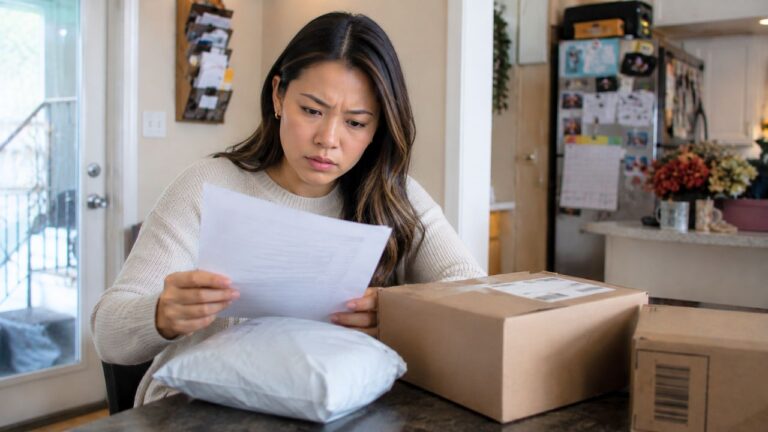
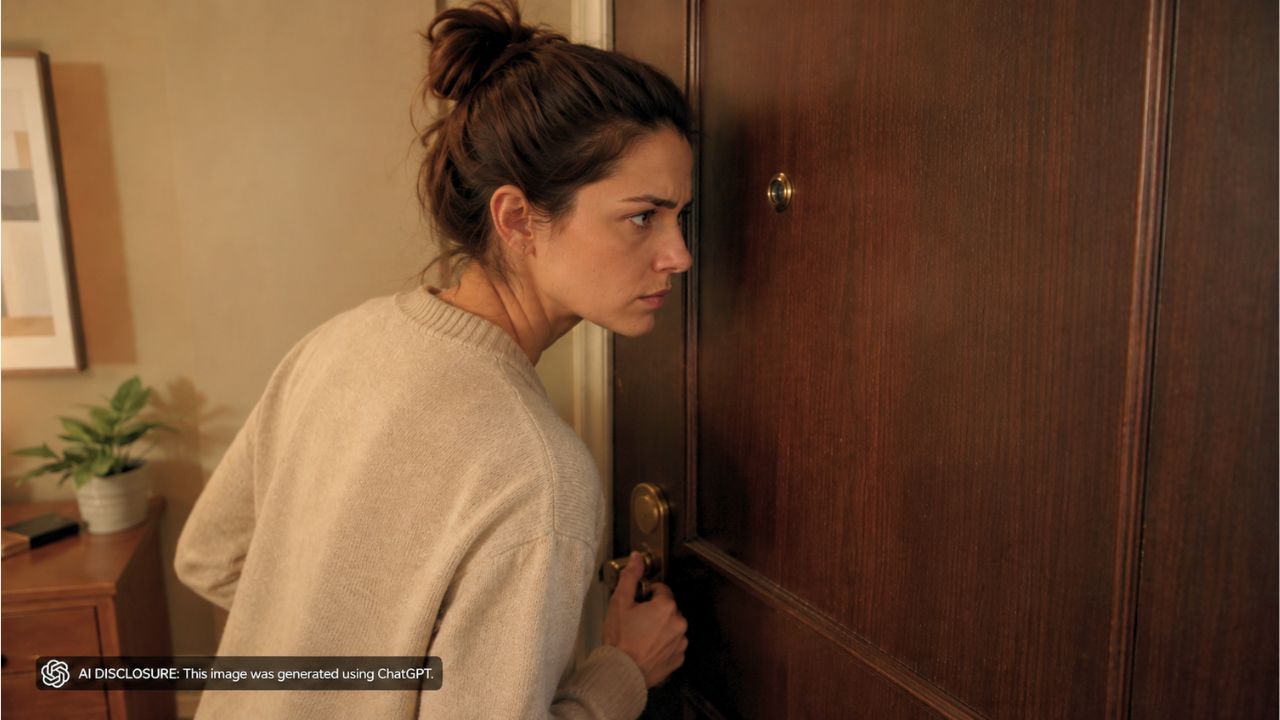
It started with knocking—not at the front door, but on a bedroom window at around 9 a.m. When the woman who lives there peeked through the blinds, she locked eyes with someone she never expected to see standing outside her apartment building: her ex’s mother.
In the original post, the woman explained that she has sole custody of her children and lives about a nine-hour drive from her ex and his family. She said she isn’t trying to keep her kids from their grandmother. What she can’t tolerate, though, is what she described as unannounced drop-ins—especially when they come with demands, repeated phone calls, and eventually, police at her door.
A surprise visit came through the window, not the front entrance
The grandmother couldn’t even get into the building to knock normally. The apartment complex isn’t gated, the woman wrote, but the buildings require a key to enter—meaning anyone can drive onto the property, but they can’t access the interior hallways.
That’s why the tapping came at the bedroom window instead. After the initial shock, the woman said she got dressed and went to find out why her ex’s mom was there. She noted that the grandmother only had her address because she’d asked months earlier to mail items for the kids, and the woman had provided it.
The grandmother’s explanation was simple: she was “in the neighborhood,” and it was a “last minute decision.” The woman let her in, and the grandmother spent some time with the kids. But when the visit ended, the woman drew a firm line—next time, she needed advance notice, and not “10 minutes before.” She wanted at least a week.
The boundary was clear, but the pattern came back anyway
Four months later, the tapping returned.
This time, the woman said she didn’t even bother looking. She already knew who it was. Then came the calls—over and over—until she finally answered on the fifth attempt. The grandmother told her to open up because she wanted to see the kids.
The problem was, the woman said she wasn’t home. She and the children were about 45 minutes away visiting her father. Instead of accepting that, the grandmother demanded the father’s address so she could go there.
The woman refused. She also said she told the grandmother she didn’t know when she’d be home—something she later admitted was a lie, because she didn’t want to provide details or feel pressured into rushing back just because someone showed up uninvited.
Then the calls turned into pressure from her ex
After she hung up, she said texts started coming in from her ex demanding that she let his mother see the kids. From his perspective, his mom had driven a long way “just to see them,” and he framed it as a simple favor.
From her perspective, that framing was the entire issue. She wasn’t refusing a scheduled visit; she was refusing an unannounced demand that forced her to rearrange her day, explain herself, and hand over more personal information—like her father’s address—just to satisfy a surprise pop-in.
She described the grandmother’s approach as controlling, like a “weird power trip,” especially because it wasn’t just a request. It came with repeated calls and escalating insistence that the woman comply.
The escalation no one expects: police at the door
What happened next raised the stakes sharply. Minutes later, the woman said she heard police banging on her door.
She didn’t answer. Instead, she received a call from a random number that turned out to be an officer. The officer told her he was there to conduct a wellness check because the grandmother claimed she hadn’t heard from the woman in three days and was “extremely worried.” The officer also told her that it was illegal not to answer the door when police knock.
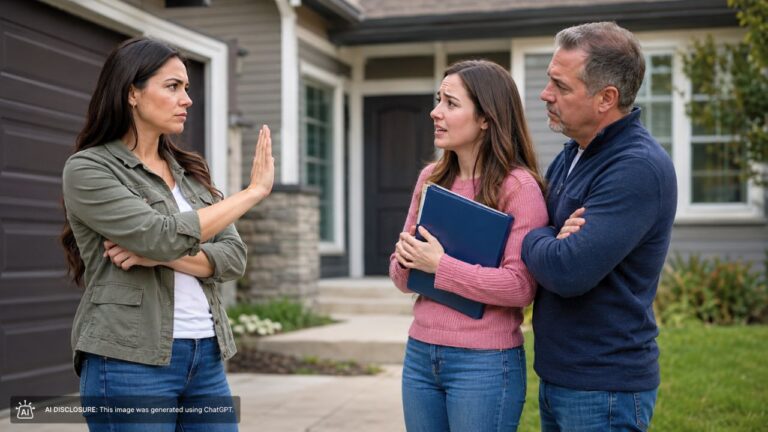
The woman pushed back. She told the officer the grandmother was lying, because they had just spoken on the phone. She said the grandmother had showed up unannounced again, despite being told not to. And she made her position plain: this was her ex’s mother, not someone she was obligated to engage with on demand.
She said she was out with family and didn’t need to come home simply because her ex’s mom appeared at her building without notice.
People focused less on the visit and more on the tactics
The woman framed her question around whether she was wrong for not answering the door and refusing to accommodate the surprise visit. But much of the attention in stories like this tends to settle on something else: the use of a wellness check as leverage.
Even in her own retelling, that’s the moment the disagreement stops being an annoying family boundary dispute and starts touching housing and safety. A neighbor might see police knocking and assume something serious is happening. Building staff could be alerted. And the next time an officer is dispatched, the story could be harder to untangle quickly—especially if someone is repeatedly claiming they “haven’t heard from” a parent with kids.
She also pointed out the access issue: the grandmother couldn’t get into the building, so she resorted to tapping on a bedroom window. That detail makes the visit feel more invasive, and it underscores why the woman didn’t want surprise appearances normalized.
The woman emphasized she wasn’t trying to cut the grandmother out. She said she didn’t mind visits or contact—just not the kind that begins with an unannounced arrival and ends with demands for addresses, explanations, and immediate compliance.
A family boundary became a credibility problem
By the end, the disagreement wasn’t just about manners or courtesy. It was about who gets to control access to the children, and how far someone is willing to go to override a “no.”
The woman described setting a basic boundary: give real notice, not spur-of-the-moment plans that put her on the spot. The grandmother tested it, then repeated the behavior, and finally escalated to a claim serious enough to bring police to the home.
Her ex, meanwhile, treated the grandmother’s effort—driving a long distance—as if it automatically entitled her to a visit. For the woman, that logic felt backwards: the longer the drive, the more planning should have been involved, not less.
Nothing in her account suggests she’s opposed to the kids having a relationship with their grandmother. The fight is over the method—unannounced window tapping, rapid-fire calls, demands for private addresses, and a wellness check that she says was based on a false claim. And once that line is crossed, it’s hard to go back to pretending it was just a surprise visit.
Check out more from Now Rundown:
- A Party of 12 Came Back a Month Later Demanding Their $80 Tip Refunded — My Restaurant Made Me Pay It
- Her Coworker Kept Filing the Same Complaint About Her After Being Warned — Then She Filed a Counter-Report With Every Email Documented
- Siblings Demanded Half of Their Sister’s $11 Million Inheritance — She Refused Because They Never Visited
- The Kid I Bullied in Middle School Just Interviewed for a Job on My Team — He Bombed It and I Didn’t Hire Him

Abbie Clark is the founder and editor of Now Rundown, covering the stories that hit households first—health, politics, insurance, home costs, scams, and the fine print people often learn too late.