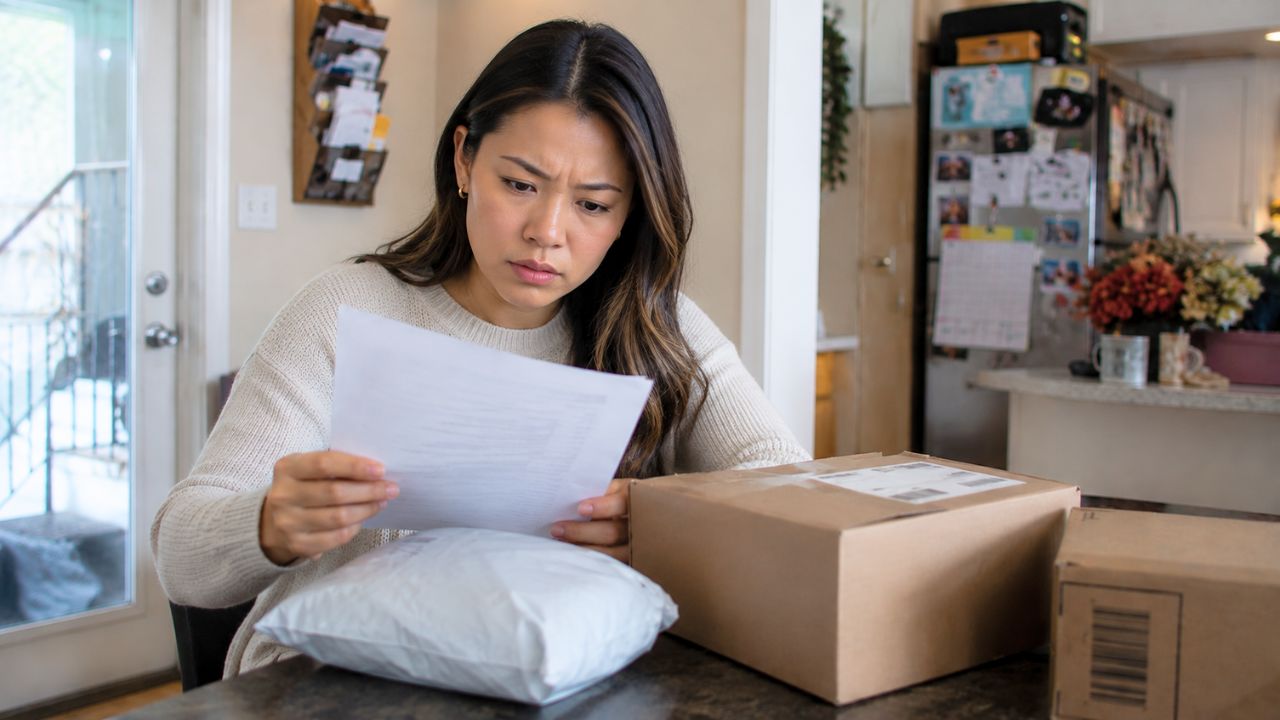
Random Packages Arrived in Their Name — Then the Packing Slips Raised Identity-Theft Questions
Photo credit: Nowrundown.com
A Reddit user said a strange delivery problem became more concerning after random packages started showing up at their home in their name, even though they had not ordered them.
The user shared the situation in a post on r/legaladvice, explaining that the packages were addressed to them and delivered to their house. That detail made the situation harder to dismiss as a simple shipping mistake. These were not boxes meant for a neighbor, a former resident, or someone with a similar address. The packages appeared to be tied to the user’s name.
That is the kind of thing that can feel confusing at first. A package shows up, your name is on it, and you wonder if you forgot about an order, won something, or received a gift. But when the packing slips or order details do not match anything you bought, the mood changes fast.
The user was left asking an uncomfortable question: was someone using their identity?
Unexpected packages can be connected to a few different problems. Sometimes sellers send cheap items to real addresses so they can create fake verified reviews. Sometimes scammers use stolen payment information to ship merchandise somewhere they plan to intercept. Sometimes a person’s name and address are used to test whether an account, card, or delivery route works before larger fraud happens.
The packing slips made the user worry the situation was more than random junk mail. A packing slip can include names, order numbers, partial account details, item descriptions, return addresses, and other clues. If the information appears connected to the recipient but they never placed the order, it can suggest that some part of their personal information is being used without permission.
That does not automatically mean a full identity theft case has happened, but it is enough to make someone start checking accounts. The user needed to know whether these packages were harmless, part of a brushing scam, or the first visible sign of a larger fraud problem.
The situation also created a practical issue: what should they do with the boxes? Keeping the items could feel wrong. Returning them might require contacting a company they had no relationship with. Calling a number from inside the package could be risky if the shipment itself was part of a scam. And if someone later showed up asking for the packages, handing them over could make the user part of whatever scheme was happening.
That is what made the deliveries feel unsettling. The packages were physical proof that someone, somewhere, had used the user’s name and address in a transaction the user did not recognize.
The post did not describe a confrontation at the door or an immediate financial loss. It described the quieter stage of a possible fraud problem, where the person has enough evidence to worry but not enough information to understand exactly what is happening.
Commenters told the user not to panic, but not to ignore the deliveries either.
Several people said the first step was to check bank accounts, credit cards, online shopping accounts, email inboxes, and any saved payment methods for unfamiliar charges, order confirmations, password resets, or new-account alerts. If someone had used the user’s information to make purchases, there might be a digital trail somewhere.
Others said the user should save the packages, labels, and packing slips. Those details could help identify which company shipped the items, what account may have been used, and whether the orders were part of a pattern. Throwing everything away could make it harder to investigate later.
Commenters also warned the user not to scan QR codes, call suspicious numbers, or enter personal information into links included with the packages. If the shipments were part of a scam, the next step might be trying to get the recipient to “verify” information or claim a fake refund.
Some commenters said the user could contact the companies shown on the packing slips, but only through official websites or phone numbers found independently. The user could explain that they had received packages in their name that they did not order and ask whether the company could flag the orders as suspicious.
There was also advice to check credit reports and consider a credit freeze if anything else looked wrong. A few unexpected packages may point to a brushing scheme, but if accounts had been opened or payment information was used, the user would need to act more aggressively.
Several commenters also warned the user not to hand packages to anyone who showed up claiming them. A legitimate return or correction could go through the carrier or retailer. A stranger at the door with a story should not become the solution.
The post did not end with a confirmed explanation. It ended with the user trying to determine whether random packages in their name were a nuisance, a fake-review scheme, or a warning sign of identity misuse.
That is what made the situation so uneasy. The boxes may not have been dangerous by themselves, but they showed that the user’s information was being used in a way they did not control.
Commenters did not tell the user to treat the packages like free gifts. They told them to save the paperwork, check every account, contact companies through official channels, and watch for more signs of fraud.
Because when random packages arrive in your name and the packing slips do not match anything you ordered, the real concern is not only what came in the box. It is what your information may already be attached to somewhere else.
Check out more from Now Rundown:
- A Party of 12 Came Back a Month Later Demanding Their $80 Tip Refunded — My Restaurant Made Me Pay It
- Her Coworker Kept Filing the Same Complaint About Her After Being Warned — Then She Filed a Counter-Report With Every Email Documented
- Siblings Demanded Half of Their Sister’s $11 Million Inheritance — She Refused Because They Never Visited
- The Kid I Bullied in Middle School Just Interviewed for a Job on My Team — He Bombed It and I Didn’t Hire Him

Abbie Clark is the founder and editor of Now Rundown, covering the stories that hit households first—health, politics, insurance, home costs, scams, and the fine print people often learn too late.