
What insurance actually wants after storm damage and what to document first
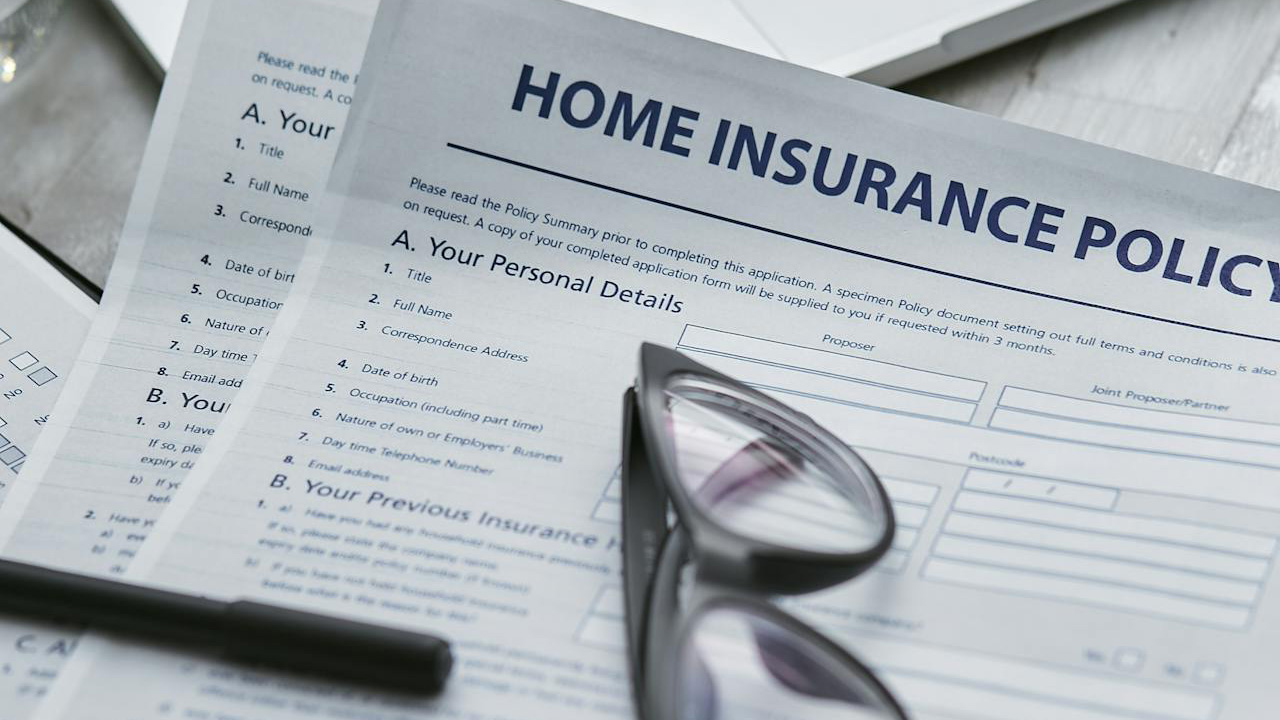
Photo credit: Mikhail Nilov/Pexels.com
When a storm tears through your home or neighborhood, the first hours shape how smoothly your insurance claim will go. Insurers are not looking for drama, they are looking for clear proof of what happened, when it happened, and what it will cost to fix. The faster you can safely document that story, the easier it is to turn a chaotic event into a structured claim.
Understanding what insurance actually wants after storm damage helps you prioritize your first moves: securing the scene, capturing evidence, and organizing records before memories blur and debris is cleared away. With a simple checklist and a phone camera, you can build the kind of file adjusters rely on to pay you fairly and quickly.
1. What insurers really look for after a storm
Insurers approach storm claims like an audit: they want to see that a covered event caused specific damage at a specific time, and that you took reasonable steps to limit the loss. That means they focus on three pillars, proof of the peril (such as wind, hail, or flood), proof of the damage, and proof of the cost to repair or replace. Guides like the Post-Disaster Claims Guide explain that you are expected to cooperate with inspections, provide documentation, and answer questions about the condition of the property before and after the storm.
Insurers also want to see that you followed your policy duties, such as notifying the company promptly, protecting the property from further harm, and keeping receipts for any emergency work. When you are ready, the same mindset applies after a wildfire, where the NAIC Post Disaster Claims Guide stresses using your home inventory, photos, and repair estimates to support the claim. If you can show a clear timeline, organized evidence, and realistic repair numbers, you are speaking the language adjusters use to recommend payment.
2. Safety first, then a quick damage sweep
Your first responsibility is not to your insurer, it is to your safety. You should not go outside until it is safe, and you must stay away from downed power lines, unstable trees, and damaged structures, a point repeated in Insurance Claim Tips For After The Storm. Once the danger has passed, do a slow, methodical walk-through of your property, noting roof damage, broken windows, soaked drywall, and any signs of structural shifting. You are not estimating costs yet, you are building a checklist of what needs to be photographed and later inspected.
Federal guidance on how to document damages after severe weather urges you to pay special attention to flood impacts, including water lines on walls, ruined appliances, and damaged electrical, water, or HVAC systems, as described in the section on Document Your Flood Damage. You should also look for hidden issues like buckled flooring or sagging ceilings that may signal trapped water. This first sweep gives you a roadmap for your photo and video session and helps you avoid missing a room or item that will be expensive to replace later.
3. The first photos and videos you should capture
Insurers consistently emphasize that your earliest images are often your strongest evidence. You should Document the Damage Immediately by taking photos and videos right after the storm, before you move debris or start cleanup. Start with wide shots that show entire rooms, exterior walls, and the roofline, then move to close-ups of specific damage like cracked shingles, shattered glass, or soaked furniture. Most smartphones automatically record the date and time, which helps prove when the images were taken.
Specialists in storm claims recommend that you capture multiple angles of the same damage and back up your files to a cloud storage solution so they are not lost if your device fails. For hurricane losses, you are urged to rely on Visual Documentation with Date Stamped Photographs that Capture Every Detail Immediately, including structural and personal property damage. The goal is to create a visual record that an adjuster could use to understand the loss even if the scene has already been cleaned up by the time they arrive.
4. Building a damage file insurers can trust
Once you have images, you need to turn them into a coherent damage file. That starts with a written list of every affected item, from big-ticket components like roofs and HVAC systems to smaller belongings like electronics and clothing. One guide on hurricane recovery notes that your insurance company is going to ask for a detailed inventory listing all of your possessions, which is why Step 3: Take inventory of the damage is framed as essential. You should include brand names, model numbers, approximate purchase dates, and estimated values wherever you can.
Legal guides on Understanding the Importance of Documentation explain that Supporting Insurance Claims requires clear and detailed evidence of both property condition and financial loss, which is why Insurance files should also contain receipts, bank statements, and email confirmations for major purchases. You can use a camera or smartphone to photograph serial numbers and labels, then store everything in a single digital folder. When you later submit your claim, you can attach this organized document for insurer reimbursement, mirroring the approach recommended in hurricane claim centers that stress an organized document as the backbone of a successful claim.
5. What to document first: structure, contents, and mitigation
In the scramble after a storm, it helps to know what to document first. Start with the building itself, including roof coverings, siding, windows, doors, and any structural shifts, because these are high-cost items that insurers scrutinize closely. Roof specialists explain that adjusters will look for specific storm-related indicators and that Why your roof damage claim might be denied often comes down to whether the evidence shows sudden impact versus long-term wear. After the structure, move to major systems like electrical panels, plumbing, and heating or cooling units, especially if they were exposed to water.
Next, document your personal property room by room, opening closets and drawers so you do not overlook smaller but valuable items. Federal guidance on how to document damages after severe weather events advises you to take photos and videos of the damage to both structural elements and personal property on the interior and exterior. At the same time, you should record any steps you take to mitigate further damage, such as tarping a roof, boarding up windows, or running fans and dehumidifiers. Legal guides on home damage stress that you should Use a camera or smartphone to capture both the initial damage and the repairs made to mitigate further damage, since insurers often reimburse those emergency costs when they are well documented.
6. Understanding coverage: wind, flood, wildfire, and smoke
Even perfect documentation will not help if you misunderstand what your policy actually covers. It is important to note that flood damage is not typically covered under standard homeowners’ insurance policies, and Instead, property owners usually need separate flood insurance, as explained in guidance on how to classify flood and wind damage. That same analysis stresses the need to distinguish between wind-driven rain and rising water, because insurers may cover one but not the other, and they expect your documentation to help draw that line.
For wind and hurricane losses, you also need to watch for special deductibles. One overview of homeowners policies notes that in hurricane-prone regions, your policy may enforce a separate windstorm or hurricane deductible and that That said, in hurricane-prone areas your insurer might apply a distinct wind deductible that is higher than your standard one. Wildfire and smoke claims have their own quirks, with the NAIC advising that When you are ready, the NAIC Post Disaster Claims Guide can help you navigate the process, and smoke claim specialists warning that the first 48 hours after a fire are chaotic but critical for your smoke damage insurance claim, which is why they urge you that The first 48 hours after a fire are the window to secure the area and document everything.
7. Contacting your insurer and timing your claim
Once you have basic documentation, insurers expect you to report the loss quickly. Step-by-step claim guides explain that one of the first things you should do is contact your carrier, and that Contact Your Insurance Company is a crucial step that can often be done by phone, app, or an online claims portal. You should ask questions about the process, including the timeline for an adjuster’s inspection, whether you need multiple repair estimates, and how to submit your photos and receipts.
Legal practitioners who walk homeowners through storm claims advise that Step 2 is often to Document the Storm Damage Immediately and not wait for the insurance adjuster to tell you what is damaged. Another set of storm damage tips underscores that One of the most important steps is to document the damage immediately with date-stamped photos and videos. At the same time, consumer advocates warn that filing small claims repeatedly can carry long-term consequences, noting that Therefore, by filing small claims and receiving settlements, you may be at an increased risk of policy termination in the future, so you should weigh the size of the loss against your deductible before opening a claim.
8. Tracking expenses, temporary housing, and living costs
Storm damage rarely stops at broken shingles or flooded floors, it often forces you to pay for hotels, meals, and emergency repairs while your home is unlivable. Most homeowners and renters policies include additional living expenses coverage, often called ALE insurance, and consumer advocates explain that Jan guidance stresses making copies of all documents and understanding any Limits in Your Policy. You should keep every receipt for hotels, short-term rentals, restaurant meals, laundry, pet boarding, and transportation that you would not have incurred if you were still living at home.
Storm claim checklists also remind you to document your loss and repair expenses, including temporary housing, meals, and other living expenses, as highlighted in Document your loss and repair tips. When a hurricane or major storm destroys or severely damages a home, one national guide notes that Your insurance company is going to ask for detailed proof of both property and living costs, so it helps to keep a simple spreadsheet or notebook where you log dates, vendors, amounts, and the reason each expense was necessary. This level of tracking can make the difference between a partial reimbursement and a full one.
9. When to bring in contractors, lawyers, and outside help
As your claim progresses, you may need outside experts to strengthen your case or push back against a low offer. Storm recovery firms outline Five Essential Steps for your storm damage claim, including getting professional assistance in your claims process when the damage is complex or the insurer disputes the cause. Hurricane claim attorneys focus on insurance disputes after major storms and fight for fair claim payments, noting that Hurricane claim attorneys often step in when carriers blame the wrong cause to avoid paying. If you feel outmatched or believe your loss has been misclassified as uncovered flood instead of covered wind, legal help can reset the conversation.
At the same time, you should coordinate closely with reputable contractors who understand insurance work. Some storm damage guides suggest that Filing storm damage insurance claims after the storm is smoother if you follow a clear sequence, and that Filing once you are sure the danger has passed should be paired with repair estimates from licensed professionals. Broader industry outlooks encourage an annual assessment of your property to identify vulnerabilities and mitigation projects, with one analysis urging insurers and agents to Educate Clients and Encourage an annual assessment of roofs, drainage, and defensible spaces to mitigate wildfire risk. The more you treat documentation and maintenance as year-round habits rather than one-time chores, the better positioned you are when the next storm hits.
Supporting sources: How to Document Storm Damage for a Successful Insurance …, The Dos and Don’ts of Hurricane Cleanup for Insurance Claims, Hurricane Insurance Claim: Your Essential Guide – Triumph Consulting.


