“They’ll Be Constantly Watching”: Neighbor Points Cameras at Porch and Backyard After Dog Dispute
Photo credit: PeopleImages/Shutterstock.com
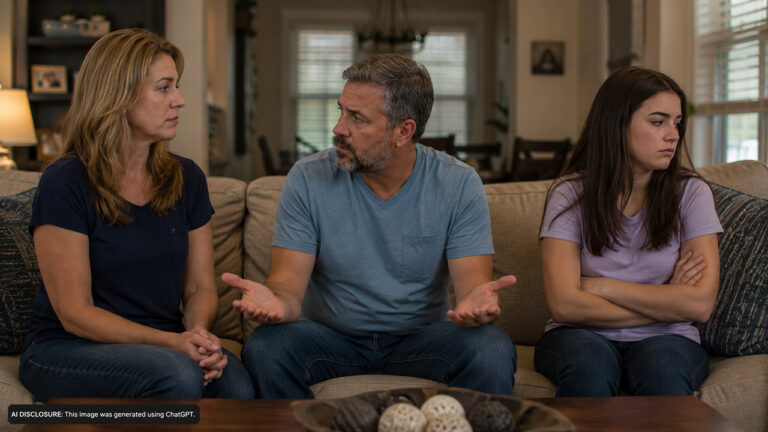
A homeowner said a tense situation with neighbors grew more uncomfortable after the neighbors installed cameras that appeared to point directly at the family’s porch and backyard.
The homeowner shared the situation in a post on r/legaladvice, explaining that the problem started with the neighbors’ dog. According to the post, the dog had been running loose and coming onto the homeowner’s property. That alone was frustrating, but it became more serious when the dog allegedly attacked the homeowner’s dog.
After that, the homeowner said they called animal control. They also said they reported the issue to police after the neighbors allegedly threatened them over the complaint.
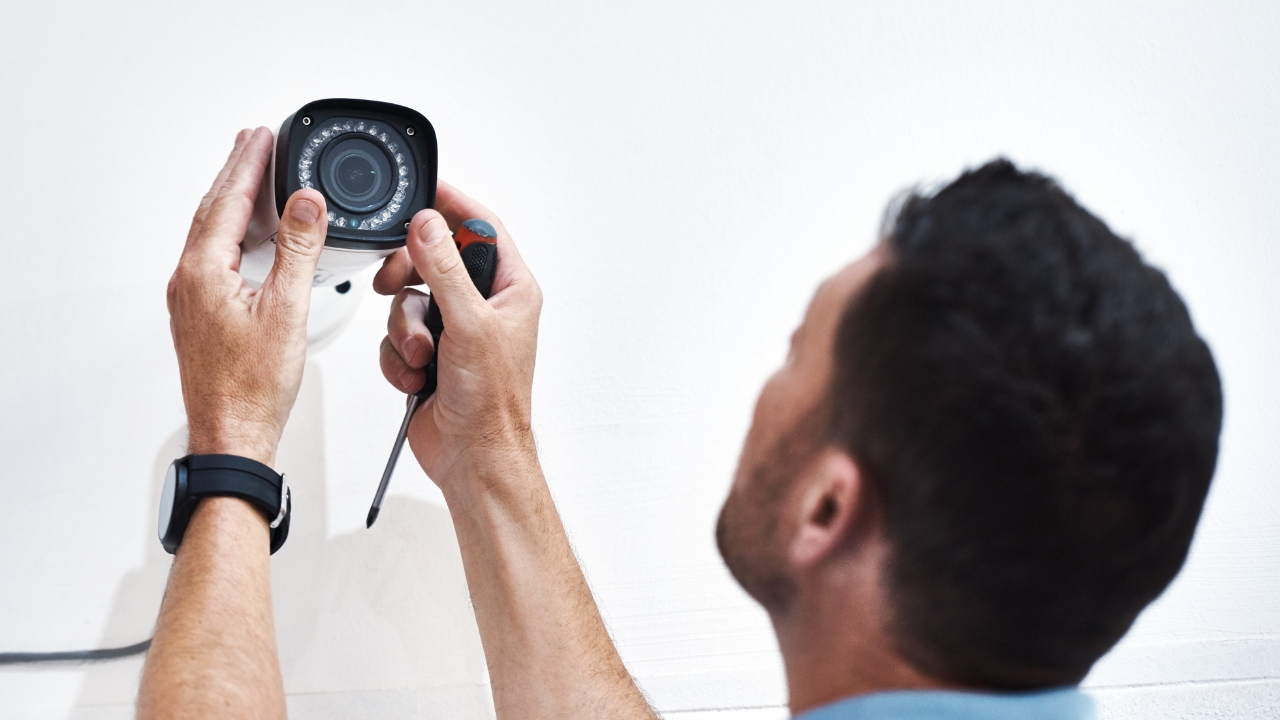
From there, the dispute did not cool down. Instead, the homeowner said the neighbors installed multiple cameras, and the placement made the family feel like they were being watched inside their own outdoor space. One camera was allegedly pointed toward the front porch. Another appeared to face the backyard.
The homeowner wrote that the cameras were not simply aimed at the neighbors’ own property. In their view, the setup seemed designed to watch them.
That detail turned the dispute from a normal neighbor fight into something more unsettling. People install security cameras all the time, especially after conflict. But when the cameras appear to be aimed at someone else’s porch, yard, or everyday activity, it can start feeling less like protection and more like surveillance.
The homeowner said they had small children and were especially concerned about the backyard camera. The backyard is supposed to be the place where kids can run around, dogs can be outside, and a family can have a little privacy without feeling like every movement is being recorded.
The homeowner wanted to know what they could do legally. They were not only annoyed by the cameras. They were worried the neighbors might be using them as part of an ongoing intimidation pattern after the dog dispute.
That concern made sense in the context of the post. This was not a random camera aimed at a shared fence line with no other history behind it. There had already been an animal-control complaint, alleged threats, police involvement, and tension between the two homes.
The camera issue became the latest piece of a larger conflict.
The homeowner also said they had been told by police that if the dog came onto their property again, they could call animal control. But the camera situation seemed less clear. A loose dog is one kind of problem. A camera pointed at your porch or backyard is harder to handle because privacy laws often depend on where the camera is, what it records, and whether the area being recorded is visible from public or neighboring spaces.
That left the homeowner in a frustrating place. They did not want to keep escalating the situation unnecessarily, but they also did not want to ignore behavior that made their family feel watched.
The most uncomfortable part was the feeling that the cameras were not just passive devices. The homeowner believed they were part of the neighbors’ response to being reported.
If that was true, then the cameras were not only about security. They were about control.
Commenters Focused on Privacy, Documentation, and Boundaries
Commenters explained that camera laws can be frustrating because people generally have more freedom to record what can be seen from their own property than most neighbors realize. A camera pointed toward a yard may feel invasive, but that does not automatically mean it is illegal.
Still, commenters did not tell the homeowner to ignore it.
Several people said the family should document everything: dates of the dog incidents, copies of animal-control reports, police report numbers, any threats, and photos showing where the cameras were pointed. If the dispute continued, a clear timeline would matter more than scattered memories.
Others suggested adding privacy measures on the homeowner’s side rather than trying to force the neighbors to remove the cameras immediately. Ideas included fencing, privacy screens, outdoor curtains, shade sails, or landscaping that blocks the camera’s view without crossing onto the neighbors’ property.
A few commenters said the homeowner should be careful not to point lasers, lights, or anything else at the cameras in a way that could create a separate legal problem. The advice was to stay boring, legal, and well-documented.
Some also recommended checking local ordinances, especially if the cameras captured audio. Recording video in a visible outdoor area may be one thing, but audio recording can trigger different legal rules depending on the state.
The comments also circled back to the dog. Many people told the homeowner to keep reporting the loose dog every time it came onto the property and to avoid direct confrontations with the neighbors if the situation was already heated. If the dog had already attacked once, commenters said the family should not treat future incidents as casual annoyances.
That was the practical heart of the advice: separate the issues, document each one, and do not let the neighbors drag the family into a messy argument at the property line.
The homeowner’s situation did not have a neat ending in the post. There was no court order, no immediate removal of the cameras, and no final answer from police. Instead, the family was left trying to live next door to people they believed had already threatened them and were now watching them.
That is the part that made the story feel so tense. Neighbor disputes are hard because there is no clean way to walk away. You can block a phone number. You can leave a store. You can avoid a coworker. But when the conflict is next door, the person is still there every time you pull into the driveway, take the dog out, or let your kids play.
For the homeowner, the cameras were not just cameras. They were a reminder that the dispute had followed them into the parts of home life that are supposed to feel private.
Commenters did not promise an easy fix. They told the homeowner to build a record, protect their own view where possible, keep calling animal control about the dog, and avoid giving the neighbors anything they could use to flip the story around.
In a situation where every move might be watched, that advice came down to one thing: stay calm, stay documented, and make sure the next official report has more than feelings behind it.

Abbie Clark is the founder and editor of Now Rundown, covering the stories that hit households first—health, politics, insurance, home costs, scams, and the fine print people often learn too late.