City Construction Site Turned Their Yard Into a Dumping Ground, Homeowner Says — Then Police Reports Still Didn’t Stop It
Photo credit: ungvar/shutterstock.com
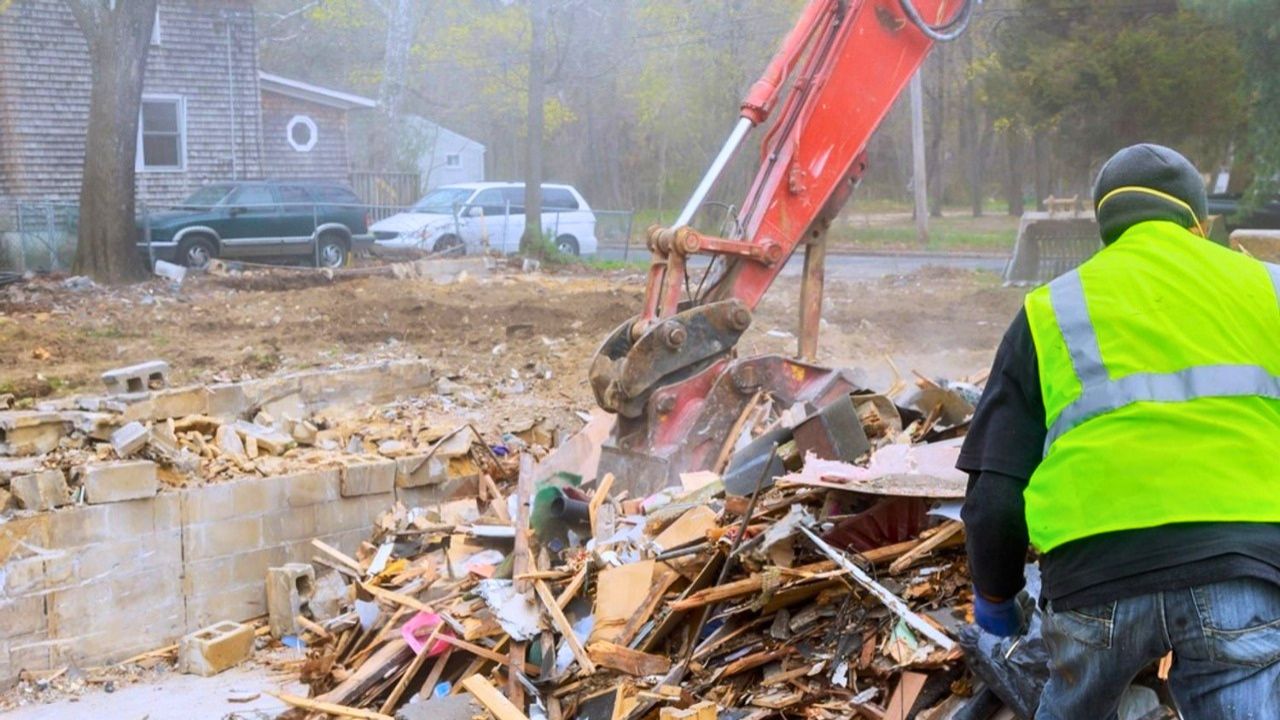
A Virginia homeowner said a construction site next door had become a constant problem after workers allegedly kept throwing debris onto their property, even after police reports and city officials became involved.
The homeowner shared the situation in a post on r/legaladvice, explaining that a city construction site was operating next door. Construction next to a home is already hard to live with. There is noise, dust, equipment, blocked access, workers coming and going, and the general disruption of living beside an active work zone.
But according to the homeowner, the problem went beyond inconvenience.
The construction site was allegedly throwing debris onto their property. That changed the situation from “construction is annoying” to “someone else’s project is physically affecting our land.”
Debris can mean a lot of things depending on the site: scraps, trash, broken materials, dust, concrete pieces, wood, nails, dirt, packaging, or other construction waste. Some of it may be messy. Some of it may be dangerous. If sharp materials, heavy objects, or contaminated waste land on private property, the homeowner has to worry about damage, safety, cleanup, pets, children, vehicles, landscaping, and whether the debris will keep coming.
The homeowner said the problem had already been reported. Police reports had been made, and city council had been contacted, but the issue still had not stopped.
That is what made the situation so frustrating. When a private neighbor causes a problem, a homeowner may call police, code enforcement, or a city office and hope someone steps in. When the site itself is tied to the city or a municipal project, the lines can feel blurrier. The same city the homeowner is asking for help may also be connected to the work causing the problem.
That can leave a homeowner feeling boxed in. The police report creates a record, but it may not stop the workers. City council may listen, but the debris may continue the next day. The contractor may blame subcontractors. The city may say it is being handled. Meanwhile, the homeowner is still picking up someone else’s construction mess.
The homeowner wanted to know what else could be done. Could they sue? Demand cleanup? Contact a different department? File a complaint with a state agency? Document the damage? Could the construction site be held responsible if debris damaged property or hurt someone?
Those questions matter because ongoing debris is not a one-time mistake. If it happens repeatedly, documentation becomes everything. The homeowner needed proof that the debris came from the site, that it landed on their property, that they reported it, and that the problem continued anyway.
The post did not describe one accidental scrap blowing over the line. It described a pattern serious enough that police and city council had already been involved, but the homeowner still needed a way to make the behavior stop.
Commenters Told the Homeowner to Build a Stronger Evidence Trail
Commenters generally told the homeowner that repeated documentation would matter more than another vague complaint.
Several people said the homeowner should photograph and video every incident. That meant capturing the debris on the property, where it landed, the construction site next door, any workers throwing or moving debris if safely visible, and any damage caused. Dates and times mattered too, because repeated incidents could show a pattern.
Others suggested keeping copies of police reports, complaint numbers, emails to city council, responses from city officials, and any communication with the contractor or site supervisor. If the homeowner later needed to escalate, they would need to show they had already tried ordinary channels.
Commenters also said the homeowner should identify who was actually responsible for the work. A city project may involve contractors, subcontractors, inspectors, project managers, and municipal departments. The homeowner needed names, company information, permit details, and the department overseeing the project.
Some commenters suggested code enforcement, building inspectors, environmental agencies, or occupational safety contacts depending on what kind of debris was involved. If the material was hazardous, sharp, or entering the property regularly, the issue could be bigger than litter.
There was also advice to avoid throwing debris back onto the site or confronting workers aggressively. That could escalate the conflict and create a new problem. The safer approach was evidence, written complaints, and official escalation.
The post did not end with the site stopping or the city resolving the issue. It ended with the homeowner trying to figure out what comes after police reports and city council complaints fail to change anything.
That is what made the situation so maddening. The homeowner had already gone through official channels, but the debris kept coming.
Commenters did not tell them to give up or quietly clean up the mess. They told them to document every incident, identify the responsible contractor or department, preserve all reports, and escalate through the right city or regulatory offices.
Because when a construction site keeps throwing debris onto private property, the issue is not only a messy yard. It is whether the people running the project can be forced to stop treating the neighbor’s land like part of the work zone.

Abbie Clark is the founder and editor of Now Rundown, covering the stories that hit households first—health, politics, insurance, home costs, scams, and the fine print people often learn too late.