Driver Says He Was Brake-Checked — Then the Other Driver Blamed Him for Hitting From Behind
Photo credit: Nowrundown.com
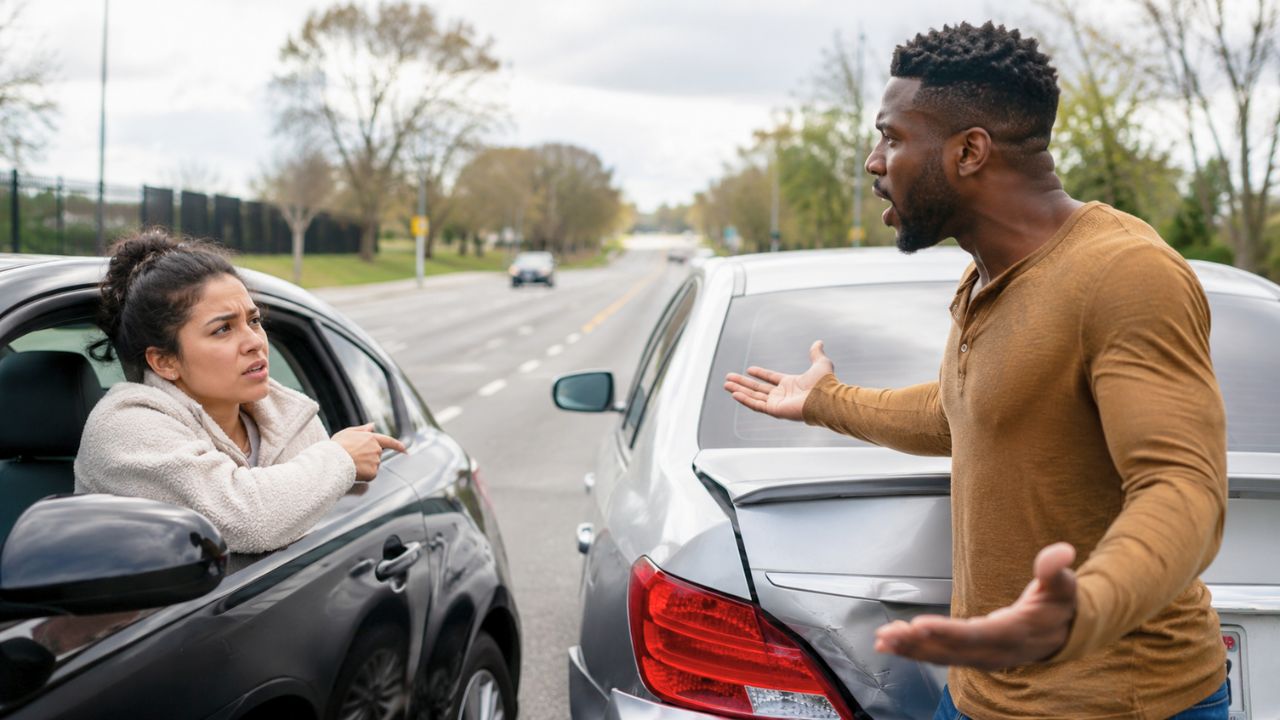
A driver said a tense traffic incident left him worried about fault after another motorist allegedly brake-checked him, then treated the rear-end collision like it was automatically his responsibility.
The driver shared the situation in a post on r/legaladvice, explaining that the crash happened after another driver suddenly slammed on the brakes in front of him. In most everyday traffic cases, the driver in the rear is often assumed to be at fault because they are expected to leave enough following distance to stop safely.
But the poster believed this situation was different.
According to the driver, the other motorist brake-checked him. That means the person in front allegedly hit the brakes abruptly, not because traffic required it, but to intimidate, punish, or provoke the driver behind them. If that is true, the incident is not the same as a normal rear-end crash caused by distracted driving or following too closely.
That is what made the question so frustrating. The poster wanted to know whether he was automatically at fault just because his vehicle hit the back of the other car, or whether the other driver’s conduct could change the answer.
Brake-checking can be difficult to prove without video. The driver behind may say the front car stopped suddenly for no reason. The front driver may say traffic slowed, an animal crossed, or they had to brake for safety. Without dashcam footage, witnesses, or clear surrounding evidence, the story can turn into one driver’s word against the other.
That uncertainty matters because a fault decision can affect insurance, repair costs, premiums, citations, and even civil liability if someone claims injury. A driver who believes they were intentionally forced into a crash may feel especially angry if the paperwork treats it like a routine rear-end collision.
The poster seemed stuck in that exact spot. He believed the other driver caused the situation by brake-checking, but he also knew the collision happened from behind. That left him trying to understand whether the law or insurance would care about the other driver’s behavior.
The situation also carried the emotional weight of road rage. A brake-check is rarely just a driving maneuver. It usually follows irritation, tailgating, lane conflict, gestures, or some other escalating traffic moment. That means the crash may have been the final part of a conflict that started before impact.
But insurance companies often look at the crash mechanics first. Who hit whom? Where was the damage? Were there witnesses? Were any tickets issued? Did anyone admit fault? If the rear driver cannot show the front driver stopped intentionally and unnecessarily, the claim may still go against the rear driver.
That is why commenters focused so heavily on evidence.
Commenters were realistic that rear-end crashes are hard to fight without evidence.
Several people said the poster could tell insurance and police that the other driver brake-checked him, but that claim would be much stronger with dashcam footage, witness statements, or something showing the front driver stopped for no legitimate reason.
Others explained that even if the front driver behaved badly, the rear driver may still be expected to maintain enough distance to avoid a collision in ordinary circumstances. That does not mean brake-checking is acceptable, but it does mean proving the other driver’s intentional conduct matters.
Some commenters urged the driver to report the incident honestly and avoid guessing or exaggerating. He could describe what happened from his perspective, including the sudden stop, any prior road-rage behavior, traffic conditions, and whether there was any reason for the front vehicle to brake. But he should not assume insurance would automatically accept that version without support.
Several people also recommended getting a dashcam going forward. A dashcam can be the difference between a rear-end crash that looks routine and a road-rage incident that shows the driver in front intentionally caused a dangerous stop.
There was also practical advice about road rage. Commenters said if another driver is acting aggressively, the safest move is to create distance, avoid gestures or retaliation, and let them go. Staying close behind an angry driver gives them the opportunity to brake-check and leaves the rear driver vulnerable if a crash happens.
The post did not end with an insurance decision or a court outcome. It ended with the driver trying to understand whether being brake-checked would change fault after he hit the other car from behind.
That is what made the situation so irritating. The driver believed the other motorist caused the crash, but the physical evidence of a rear-end collision could still make him look responsible.
Commenters did not tell him the other driver’s behavior was irrelevant. They told him it would need to be proven.
Because when someone brake-checks you and you hit them from behind, the story you tell may be true. But without footage or witnesses, the insurance file may still start with the simplest fact on paper: your front bumper hit their rear one.
Check out more from Now Rundown:
- A Party of 12 Came Back a Month Later Demanding Their $80 Tip Refunded — My Restaurant Made Me Pay It
- Her Coworker Kept Filing the Same Complaint About Her After Being Warned — Then She Filed a Counter-Report With Every Email Documented
- Siblings Demanded Half of Their Sister’s $11 Million Inheritance — She Refused Because They Never Visited
- The Kid I Bullied in Middle School Just Interviewed for a Job on My Team — He Bombed It and I Didn’t Hire Him

Abbie Clark is the founder and editor of Now Rundown, covering the stories that hit households first—health, politics, insurance, home costs, scams, and the fine print people often learn too late.