Resident Says Neighbor Videotaped Them Inside the House — Then Reddit Said Curtains Might Be the First Defense
Photo credit: Hendrik David/Shutterstock.com
A resident said an uncomfortable neighbor problem crossed into something more personal after they allegedly caught a neighbor videotaping them while they were inside their own home.
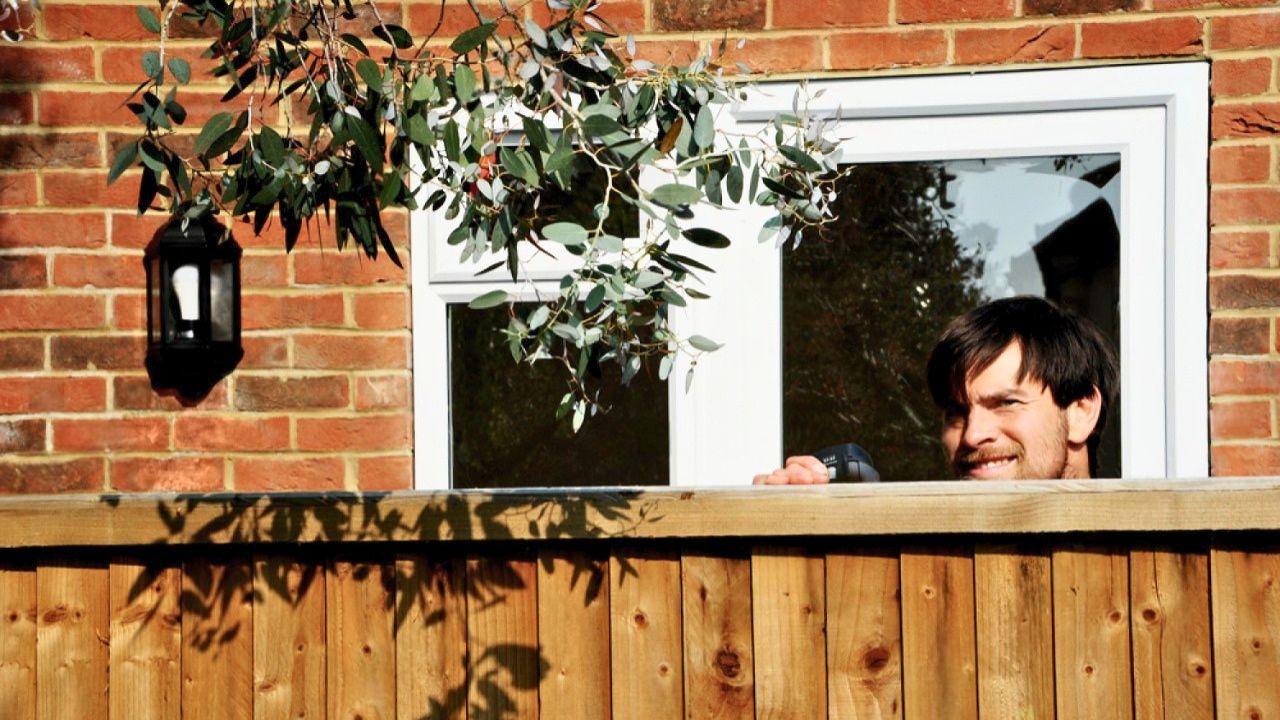
The resident shared the situation in a post on r/legaladvice, explaining that they believed a neighbor had recorded them from outside while they were inside the house. That detail made the situation feel different from an ordinary security-camera complaint.
A neighbor having cameras outside is common. People use cameras to watch doors, cars, driveways, packages, and yards. But a person actively recording someone through or toward the inside of their home feels much more invasive. Even if the neighbor is standing somewhere they are legally allowed to be, the person inside can still feel like the private space of their home has been pulled into someone else’s camera roll.
The resident wanted to know what they could do. Could they call police? Was it illegal for the neighbor to film them if they were inside the house? Did it matter whether the window was uncovered? Could the neighbor claim they were recording from their own property? Was this harassment?
Those questions are tricky because privacy often depends on circumstances. A person usually has a strong expectation of privacy inside their own home. But if windows are open, blinds are up, and someone outside can see inside from a lawful location, the legal answer can become less simple.
That does not make the situation feel any less creepy.
The emotional part is obvious. Home is where people relax, change clothes, sit with family, talk, eat, and move around without expecting to be watched. When a neighbor seems to be recording through a window, even once, it can change how the whole house feels. Curtains stay closed. Lights stay off. People avoid certain rooms. A normal window becomes a point of stress.
The resident’s concern was not about a passerby glancing through a window by accident. It was about the idea that someone nearby may have intentionally filmed them. That intent, or the fear of it, is what made the situation feel more serious.
The post did not describe a physical confrontation or direct threat. It described a privacy concern that can be hard to prove and even harder to stop without documentation. If the neighbor denied recording, the resident would need something more than a feeling. If the neighbor admitted it, the resident would still need to know whether police or local law offered any remedy.
That left the resident in an uncomfortable position: they felt watched inside their own home, but the first legal answer might be practical rather than dramatic.
Commenters generally told the resident that the safest immediate move was to block the view into the home.
Several people suggested curtains, blinds, window film, shades, or other privacy barriers. That advice may have felt frustrating because the resident was not the one behaving badly. But commenters pointed out that, practically speaking, blocking the line of sight could stop the recording faster than a legal fight.
Others explained that if the neighbor was filming from a place they were allowed to be and the inside of the home was visible through an uncovered window, police might not treat it the same way they would treat a hidden camera or someone trespassing to record. The details would matter, including where the neighbor was standing, what room was being filmed, and whether the recording captured anything especially private.
Commenters also urged the resident to document the behavior. If the neighbor did it again, they suggested noting the date, time, location, what the neighbor was doing, and whether there were witnesses. If the resident could safely take a photo showing the neighbor filming, that could help support a future complaint.
Some commenters said the issue could become more serious if it was repeated. A single incident may be hard to act on, but repeated recording, comments about what the resident was doing inside, threats, trespassing, or other unwanted conduct could help show a pattern of harassment.
There was also advice not to confront the neighbor aggressively. A direct argument could escalate the dispute and might not produce a useful outcome. A calm written request, a police nonemergency call, or local legal advice would be safer if the behavior continued.
The post did not end with police removing a camera or the neighbor being ordered to stop. It ended in the uncomfortable reality that the resident may have needed to protect their privacy immediately while deciding whether the behavior could support a report.
That is what makes neighbor recording disputes so frustrating. The person inside the home may feel violated, but the legal answer can turn on exact facts: where the camera was, where the person filming stood, what could be seen from outside, and whether the behavior was repeated.
Commenters did not say the resident was wrong to be bothered. They said the first defense might be practical: cover the windows, document any future recording, and treat repeated behavior as a pattern rather than a one-time awkward incident.
Because when a neighbor appears to be videotaping someone inside their house, the goal is not only to prove a point. It is to make the home feel private again before the next time someone looks through the lens.

Abbie Clark is the founder and editor of Now Rundown, covering the stories that hit households first—health, politics, insurance, home costs, scams, and the fine print people often learn too late.