Police Wanted to Use His Security Camera and “Wouldn’t Take No”
Photo credit: Now Rundown
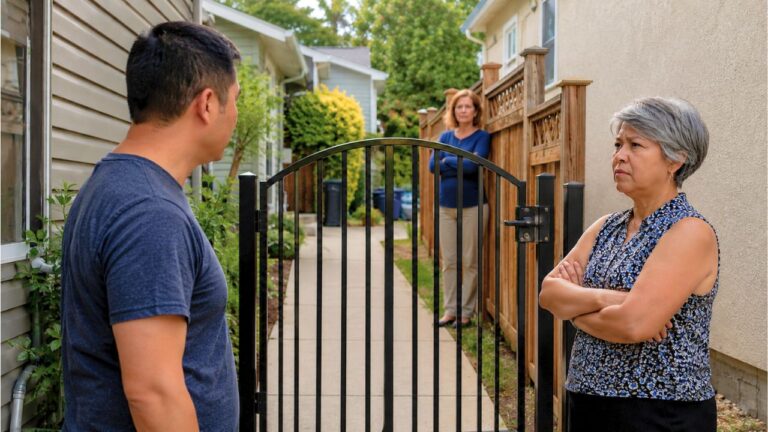
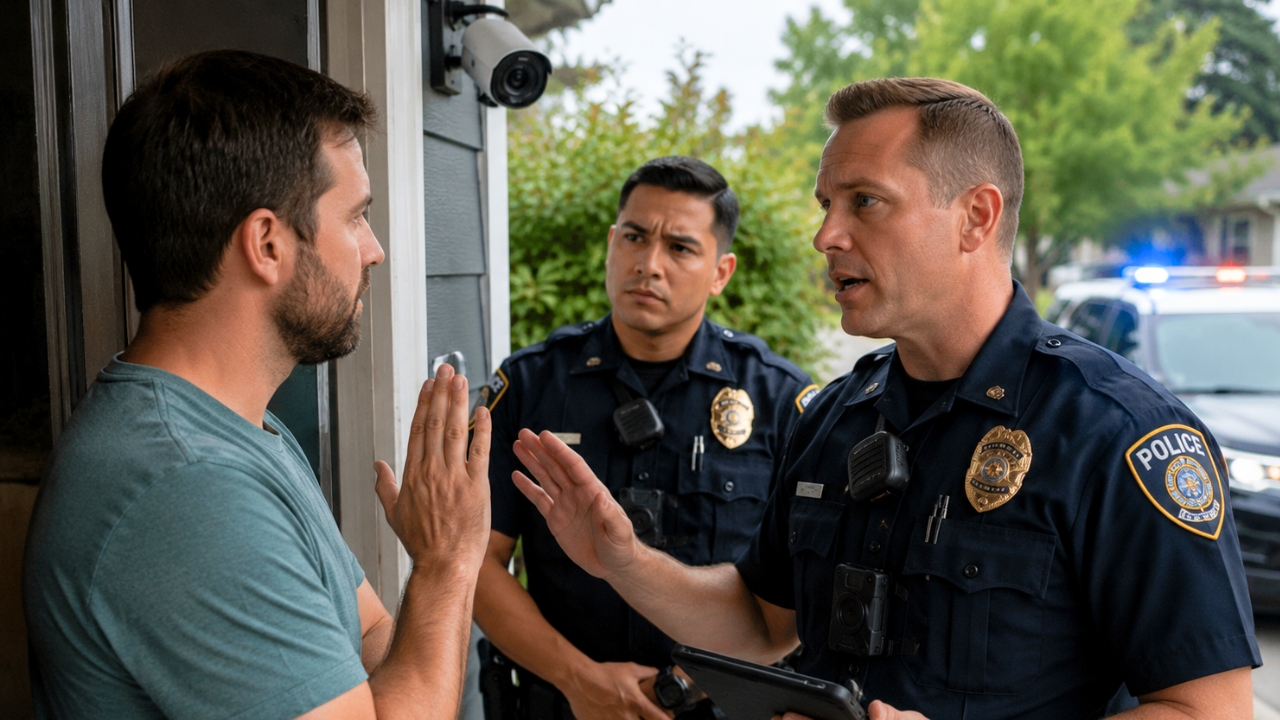
A homeowner said a request from police became uncomfortable after officers allegedly wanted to use his security camera and would not accept his refusal.
The homeowner shared the situation in a post on r/legaladvice, explaining that police had approached him about using his private security camera. The camera apparently had a view they believed could be useful, and officers wanted access to it.
At first, that kind of request may not seem strange. Police often ask residents and businesses for footage when something happens nearby. Doorbell cameras, driveway cameras, store cameras, and home security systems can capture details that help confirm timelines, identify vehicles, or show where someone went.
But according to the homeowner, the problem was not that police asked. The problem was that they allegedly would not take no for an answer.
That changed the situation. A person may be willing to help police in some circumstances, but a private homeowner may still have questions. What exactly are officers looking for? Do they want one clip, ongoing access, or the ability to view the camera live? Is there a warrant? Is the homeowner required to cooperate? Could providing access create privacy issues for the homeowner, family members, guests, or neighbors?
Those questions matter because home security cameras do not only record public activity. Depending on the setup, they may capture private routines, visitors, children, vehicles, packages, conversations, or parts of the home. Even if the camera points outside, the footage still belongs to the homeowner.
The homeowner wanted to know what rights he had and whether police could force him to allow access. The post suggested he was not refusing because he wanted to interfere with an investigation. He seemed concerned about being pressured into giving up control over his own equipment.
That is an important distinction. Cooperating with police voluntarily is one thing. Feeling pushed or intimidated into allowing access without understanding the legal basis is another.
The situation also raised a broader privacy concern. If police wanted to review a specific recording from a specific date, the homeowner might feel differently than if they wanted to use the camera more broadly. The phrase “use my security camera” can mean different things, and the lack of clarity can make the request feel bigger than it may be.
The homeowner’s instinct was to ask whether he could simply say no. That is a reasonable question when law enforcement asks for access to private property or private recordings. People may assume they have to comply with anything an officer requests, but the law often distinguishes between a request, a subpoena, a warrant, and an emergency.
The post did not describe officers seizing the camera or producing a warrant. It centered on pressure and uncertainty: police wanted access, the homeowner did not want to provide it, and he needed to know what would happen if he kept refusing.
Commenters generally told the homeowner that if police wanted access and he did not want to provide it voluntarily, he could ask them to come back with a warrant or other proper legal order.
Several people explained that police can ask for footage or cooperation, and homeowners can agree. But a request is not the same thing as a legal requirement. If officers believed the footage was necessary and the homeowner refused, they could seek a warrant or subpoena through the proper process.
Others said the homeowner should not argue at the door or try to debate legal theory with officers. A calm response would be safer: he did not consent to access without a warrant, and if they had legal paperwork, he would comply as required.
Some commenters also recommended speaking with a lawyer if officers kept pressuring him. A lawyer could help determine whether the request was valid, whether any paperwork required compliance, and how to respond without escalating the situation unnecessarily.
There was also advice to preserve the footage if it might be relevant to a serious incident. Even if the homeowner did not want to hand over access immediately, deleting potentially relevant footage after police requested it could create problems. Commenters suggested saving a copy and waiting for proper legal direction.
A few commenters pointed out that the homeowner could choose to provide a limited clip rather than giving broad access, if he wanted to cooperate. But that should be voluntary and clearly defined. Giving officers unrestricted access to the camera system could expose more than the specific incident they were asking about.
The post did not end with police getting the footage or the homeowner receiving a warrant. It ended with the homeowner trying to understand the difference between being asked to help and being legally required to help.
That is what made the situation uncomfortable. Most people do not want to be difficult with police, especially if they are investigating something nearby. But they also may not want to hand over private camera access simply because officers insist.
Commenters did not tell the homeowner to obstruct an investigation. They told him to protect his rights calmly, preserve anything relevant, and ask police to use the proper legal process if they would not accept a voluntary no.
Because when police want to use a private security camera, the key question is not only whether the footage might help. It is whether the homeowner is choosing to cooperate — or being pressured to give up access without the legal paperwork required to compel it.

Abbie Clark is the founder and editor of Now Rundown, covering the stories that hit households first—health, politics, insurance, home costs, scams, and the fine print people often learn too late.