Worker Reported a Coworker’s Threat — Then Says the Company Demoted Them Instead
Photo credit: Pixelfit/istock.com
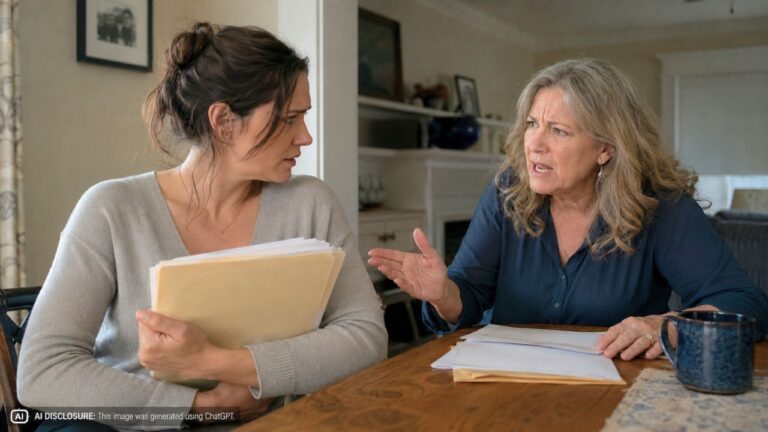
A worker said reporting a coworker’s alleged threat did not lead to the protection they expected. Instead, they said the company demoted them after they brought the concern to HR.
The worker shared the situation in a post on r/legaladvice, explaining that they had informed HR about a coworker’s threat. That kind of report is supposed to trigger a serious workplace response. When an employee tells HR that someone at work may be dangerous or threatening, the company should be thinking about documentation, safety, separation, investigation, and whether anyone needs to be removed from the workplace while the facts are reviewed.
But according to the worker, the result was not protection. It was a demotion.
That is what made the situation feel like more than a normal HR complaint. The worker was not only worried about the coworker’s behavior. They were now worried the company had punished them for speaking up.
Workplace retaliation fears are common for a reason. Employees may be told to report threats, harassment, unsafe conditions, or policy violations, but when they do, they sometimes worry management will see them as the problem. They may get labeled dramatic, difficult, disruptive, or not a “team player.” In this case, the worker believed the consequences were more concrete: their position changed after the report.
That timing mattered. If someone reports a threat and is demoted soon after, the first question becomes whether the demotion was connected to the report. The company may claim there were unrelated performance issues, restructuring, scheduling problems, or business reasons. The employee may believe the timing and circumstances point to retaliation.
The worker needed to know what could be done. Could they file a complaint? Was the demotion legal? Did HR violate any obligation by responding that way? Should they contact a lawyer? Would it matter what kind of threat the coworker made? Could the company demote someone for reporting a safety concern?
Those questions depend heavily on details. Not every unfair workplace decision is illegal. But if an employee reports a serious threat, especially one that could involve workplace safety, harassment, or protected activity under company policy or law, the company’s response can become important.
The worker also had to think about their own safety. If the coworker was still around and the company had punished the person who reported the threat, that could make the workplace feel even less safe. The worker may wonder whether anyone took the original threat seriously or whether speaking up only made them more vulnerable.
The post did not describe a clean company investigation or a clear resolution. It captured the uncomfortable moment after an employee reported something serious and then felt the company turned the consequence back on them.
Commenters generally told the worker that the timeline mattered more than general frustration.
Several people said the worker should write down exactly what happened: when the coworker made the threat, what was said, who heard it, when HR was notified, who received the complaint, what HR said, and when the demotion happened. If the company gave a reason for the demotion, that reason needed to be saved too.
Others said all communication should be preserved. Emails, texts, HR messages, meeting notes, schedule changes, job-title changes, pay changes, performance reviews, and written warnings could all matter. If the demotion happened shortly after the report, the worker needed documentation showing the sequence.
Commenters also suggested asking HR or management for the reason for the demotion in writing. A company may say something vague in conversation, but a written explanation can be compared against the worker’s records later. If the reason changed over time, that could matter too.
Some commenters said the worker should speak with an employment attorney if the demotion affected pay, duties, hours, benefits, or career standing. A lawyer could look at whether the report involved protected activity and whether the company’s response could support a retaliation claim.
There was also advice not to quit impulsively before getting guidance. Walking away may feel tempting when a workplace seems unsafe or unfair, but it can complicate claims, unemployment questions, or leverage. If the worker felt physically unsafe, that was different, but commenters still encouraged documentation and legal advice.
The original threat remained important too. Commenters said the worker should not let the demotion distract completely from the safety issue. If the coworker’s threat was credible, specific, or ongoing, the worker could consider police, security, or a written request for workplace protections.
The post did not end with the demotion reversed or the coworker disciplined. It ended with the worker trying to figure out whether reporting a threat had cost them their position.
That is what made the situation serious. The worker did what employees are often told to do when someone at work seems unsafe: they told HR. Then they said they were demoted.
Commenters did not tell them to rely on HR’s word alone. They told them to preserve records, build a timeline, ask for written explanations, and talk to an employment attorney if the demotion looked connected to the report.
Because when an employee reports a coworker’s threat and then gets demoted, the question is not only whether the threat was handled correctly. It is whether the company punished the person who raised the alarm.
Check out more from Now Rundown:
- A Party of 12 Came Back a Month Later Demanding Their $80 Tip Refunded — My Restaurant Made Me Pay It
- Her Coworker Kept Filing the Same Complaint About Her After Being Warned — Then She Filed a Counter-Report With Every Email Documented
- Siblings Demanded Half of Their Sister’s $11 Million Inheritance — She Refused Because They Never Visited
- The Kid I Bullied in Middle School Just Interviewed for a Job on My Team — He Bombed It and I Didn’t Hire Him

Abbie Clark is the founder and editor of Now Rundown, covering the stories that hit households first—health, politics, insurance, home costs, scams, and the fine print people often learn too late.