Neighbor With Past Restraining Orders Aimed Cameras at Their Balcony, Homeowner Says
Photo credit: Nowrundown.com
A Los Angeles resident said a neighbor’s security camera setup became more concerning because of the neighbor’s history, including past restraining orders and ongoing tension around the property.
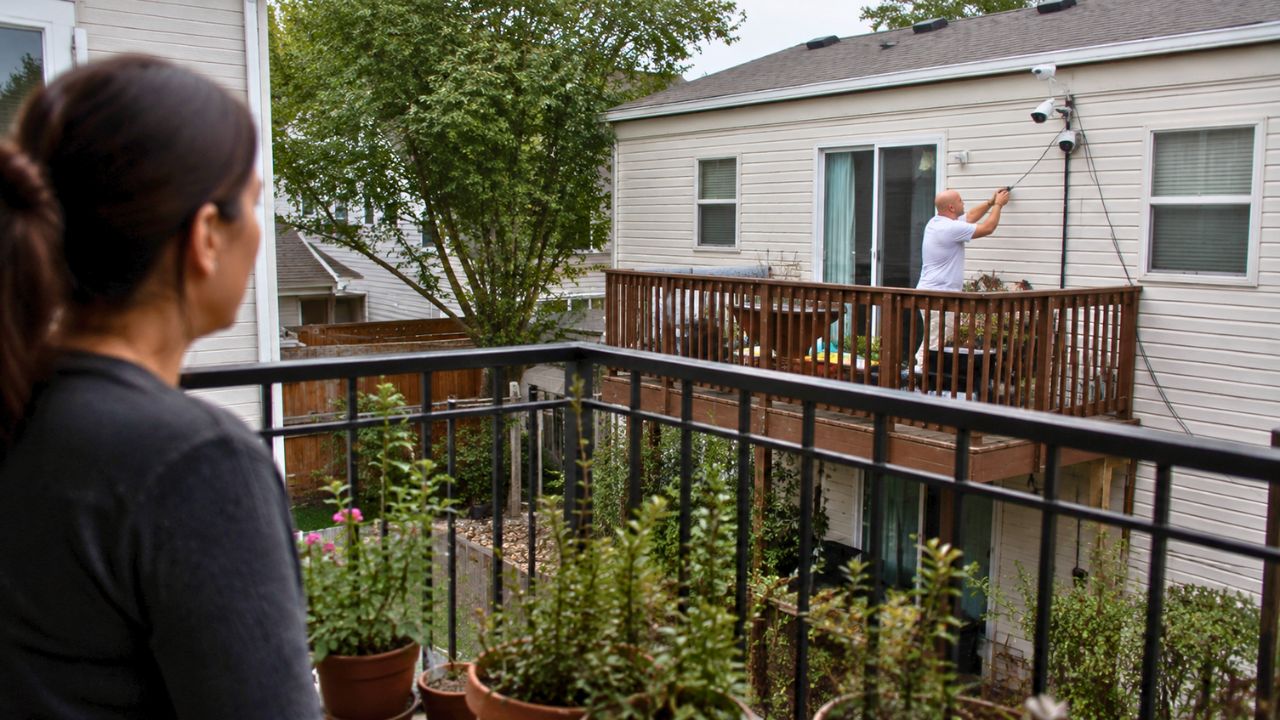
The resident shared the situation in a post on r/legaladvice, explaining that the issue centered on a residential security camera pointed toward their balcony. A neighbor camera by itself can already feel intrusive, especially when it captures a place where someone sits outside, talks with family, drinks coffee, takes calls, or moves in and out of their home.
But this resident said the context made it feel worse.
According to the post title and discussion, the neighbor had a history that included restraining orders. That detail made the camera feel less like normal home security and more like another piece of an ongoing concern. A security camera watching a driveway or front gate might be easy to explain. A camera aimed at a balcony, controlled by someone the resident already viewed as troubling, can feel much more targeted.
That is the hard part with camera disputes. The legal answer often depends on where the camera is placed, what it can see, whether it records audio, and whether the area being recorded is visible from the neighbor’s property. But the emotional reality depends on history too. A camera from a friendly neighbor may feel annoying. A camera from someone with a pattern of conflict can feel like surveillance.
The resident wanted to know what privacy rights applied. Could a neighbor point a security camera toward a balcony? Did it matter that the balcony was part of the home? Could the neighbor record conversations? Did the past restraining orders affect what was allowed? Would police or a court take the camera placement seriously?
Those questions matter because balconies sit in an awkward privacy category. They are part of someone’s living space, but they are also outdoors and often visible from nearby homes, streets, or shared areas. A person may feel they are at home on a balcony, but the law may treat visible outdoor areas differently than bedrooms, bathrooms, or the interior of a home.
The resident’s concern was still understandable. A balcony is not the same as a public sidewalk. It is where someone may expect at least a little breathing room, especially if the camera appears angled toward them rather than toward the neighbor’s own door or yard.
The situation also raised the issue of audio. If the camera could record sound, that could create a different concern than video alone. A camera that captures a visible balcony may already be uncomfortable. A device that records private conversations on that balcony could raise separate legal questions depending on the location and consent rules.
The post did not describe a final legal outcome. It captured the resident’s concern at the point where they were trying to figure out whether the camera was simply unpleasant or whether it crossed into something actionable.
Commenters generally warned that a camera aimed toward an outdoor area may be legal if the balcony is visible from the neighbor’s property or another lawful viewpoint. That answer was frustrating, but it was a recurring theme: privacy expectations are usually stronger inside the home than in outdoor areas visible to others.
Still, commenters did not tell the resident to ignore the situation completely.
Several people said the resident should document the camera’s placement, especially if it appeared to be aimed directly at the balcony rather than generally at the neighbor’s property. Photos showing the camera angle, location, and view could matter if the issue later became part of a larger harassment complaint.
Others said the resident should keep a timeline of any related behavior from the neighbor. If the camera was one part of an ongoing pattern involving threats, unwanted contact, restraining-order violations, or targeted harassment, that broader pattern could matter more than the camera alone.
Commenters also suggested practical privacy measures, including outdoor curtains, privacy screens, plants, lattice, or other balcony barriers, as long as the resident was allowed to install them. Those steps would not solve the legal question, but they could reduce the camera’s view and make the space feel more usable.
Audio recording came up as a separate issue. Commenters suggested checking local law or speaking with a local attorney if the camera could record conversations. Video of a visible outdoor space and audio of private conversations may be treated differently.
The post did not end with the camera removed or the neighbor ordered to change it. It ended with the resident trying to understand how much protection they had when a neighbor’s camera appeared to watch a space that felt personal, even if it was outdoors.
That is what made the situation so frustrating. The resident’s concern was not only about a device. It was about a neighbor they already did not trust having a direct view into a place connected to their home.
Commenters did not promise an easy legal fix. They told the resident to document the camera, block the view if possible, watch for a larger pattern, and treat audio recording or restraining-order issues as separate concerns.
Because when a neighbor with a troubling history points cameras toward your balcony, the issue is not only what the lens can see. It is whether that camera becomes one more way to make home feel watched.
Check out more from Now Rundown:
- A Party of 12 Came Back a Month Later Demanding Their $80 Tip Refunded — My Restaurant Made Me Pay It
- Her Coworker Kept Filing the Same Complaint About Her After Being Warned — Then She Filed a Counter-Report With Every Email Documented
- Siblings Demanded Half of Their Sister’s $11 Million Inheritance — She Refused Because They Never Visited
- The Kid I Bullied in Middle School Just Interviewed for a Job on My Team — He Bombed It and I Didn’t Hire Him

Abbie Clark is the founder and editor of Now Rundown, covering the stories that hit households first—health, politics, insurance, home costs, scams, and the fine print people often learn too late.