Neighbor Set Up a Camera Facing the Backyard — Then Privacy Became a Legal Question
Photo credit: Nowrundown.com
A California resident said a neighbor’s security camera created an uncomfortable privacy problem after it appeared to be pointed into the family’s backyard.
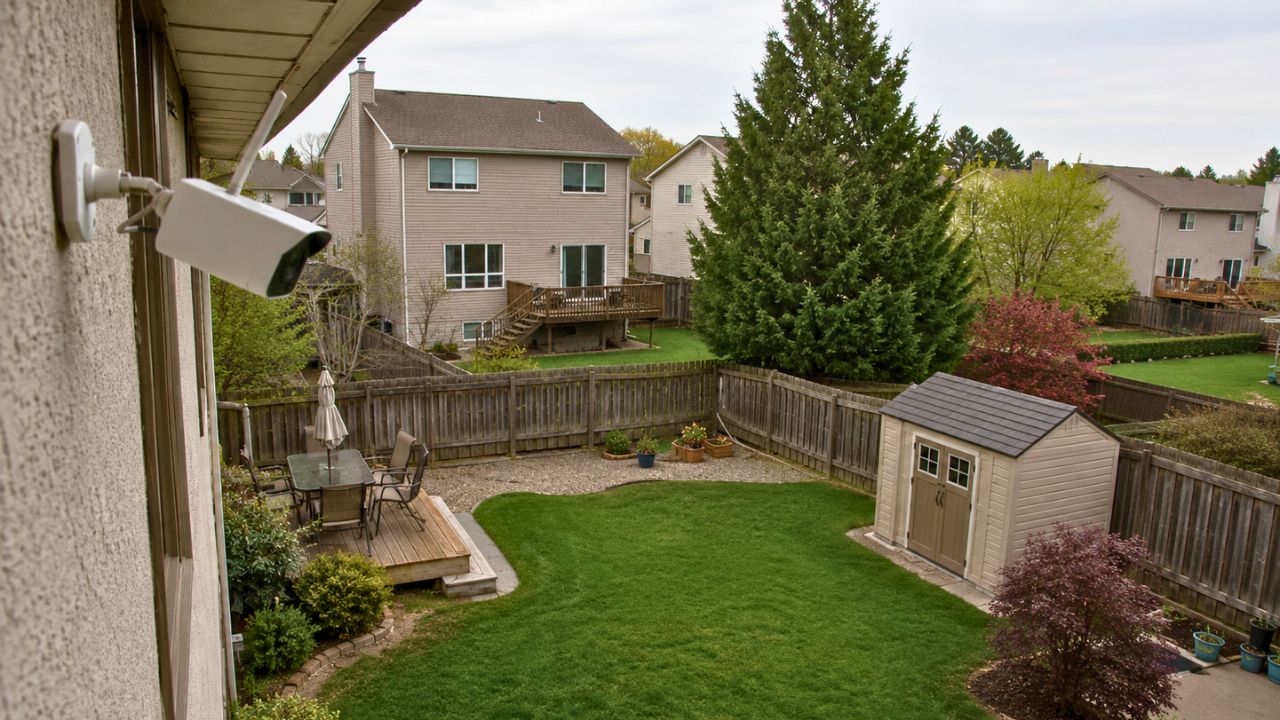
The resident shared the situation in a post on r/legaladvice, explaining that the neighbor had installed a security camera that seemed to face their backyard. Security cameras are common now, and a lot of people install them for ordinary reasons: watching cars, packages, gates, patios, sheds, or side yards.
But this camera did not feel ordinary to the resident.
According to the post, the camera was aimed in a way that made the backyard feel monitored. That created a privacy concern because a backyard is not the same as a public sidewalk or street. Families use backyards to relax, let kids play, cook, garden, talk, and spend time outside without feeling like someone else is watching every movement.
That is what made the situation frustrating. The neighbor may have claimed the camera was for security. But from the resident’s side of the fence, it looked like the lens was directed toward their private outdoor space.
The resident wanted to know whether anything could be done legally. Could a neighbor point a camera into someone else’s backyard? Did it matter whether the yard was fenced? Did it matter what the camera could actually see? Could police or a city agency make the neighbor move it? Was this an invasion of privacy?
Those questions are tricky because outdoor camera laws are often more frustrating than people expect. In many places, a person can record areas that are visible from their own property, especially if they are not looking into a bedroom, bathroom, or other clearly private indoor space. But that does not mean the person being recorded feels comfortable with it.
The backyard setting makes the answer feel especially unfair. A person may not expect full privacy in the same way they would inside a locked bedroom, but they still may expect some basic separation from the neighbor’s surveillance. A backyard can feel personal even when parts of it are technically visible from nearby houses.
The situation also raised the question of intent. Was the camera truly aimed at the neighbor’s own property and only catching part of the resident’s yard by accident? Or was it pointed directly into the resident’s backyard? That distinction matters. A camera watching a fence gate or driveway may capture some of the neighbor’s yard in the background. A camera intentionally angled toward the yard next door feels much more targeted.
The resident’s challenge was proving the difference.
Without photos, footage, or a clear view of the camera angle, a complaint might be brushed off as a normal security setup. With documentation, the resident could at least show why the camera felt invasive and ask whether local rules applied.
Commenters generally warned that the camera might be legal if it was installed on the neighbor’s property and captured areas visible from that property. That was not the answer the resident likely wanted, but it reflected the reality of many outdoor surveillance disputes.
Several people said the resident should start with practical privacy barriers. A taller fence, privacy screen, shade sail, trellis, plants, curtains for a patio area, or other screening could block the camera’s view without touching the neighbor’s equipment. That kind of solution may feel unfair, but it can be faster and cleaner than a legal fight.
Others suggested documenting the camera’s placement. The resident could take photos from their own yard showing where the camera was mounted and where it appeared to point. If the camera was clearly aimed away from the neighbor’s own entrances and toward the resident’s private space, that could matter if the issue escalated.
Audio also came up as a separate concern. A camera that records video of an outdoor area may be one thing, but a device recording conversations could raise different legal questions depending on state law and where the conversations happen. Commenters suggested looking into local rules if the camera had audio recording capability.
Some commenters said the resident could try a calm conversation with the neighbor. The neighbor may not realize how the camera appears from the other side. They might be willing to adjust the angle slightly if asked politely. But commenters also understood that if the relationship was already tense, a conversation might not help.
The post did not end with the camera removed or a legal order issued. It ended with the resident facing the uncomfortable reality that a backyard can feel private even when the law may not treat every visible outdoor area that way.
That is what made the situation so frustrating. The resident was not complaining about a camera watching the neighbor’s driveway. They were worried that their own backyard had become part of someone else’s security feed.
Commenters did not tell the resident to damage the camera, block it from the neighbor’s side, or start a fight. They told them to document the angle, consider privacy barriers, check on audio recording laws, and look for a practical fix before turning the dispute into a bigger neighbor war.
Because when a neighbor’s camera faces your backyard, the issue is not only what the lens can legally see. It is whether your own outdoor space still feels like yours.
Check out more from Now Rundown:
- A Party of 12 Came Back a Month Later Demanding Their $80 Tip Refunded — My Restaurant Made Me Pay It
- Her Coworker Kept Filing the Same Complaint About Her After Being Warned — Then She Filed a Counter-Report With Every Email Documented
- Siblings Demanded Half of Their Sister’s $11 Million Inheritance — She Refused Because They Never Visited
- The Kid I Bullied in Middle School Just Interviewed for a Job on My Team — He Bombed It and I Didn’t Hire Him

Abbie Clark is the founder and editor of Now Rundown, covering the stories that hit households first—health, politics, insurance, home costs, scams, and the fine print people often learn too late.