Mother Refused to Let Her Kids Travel to Dubai for Their Father’s New Baby’s Birth — She Cited His History of Controlling Their Passports
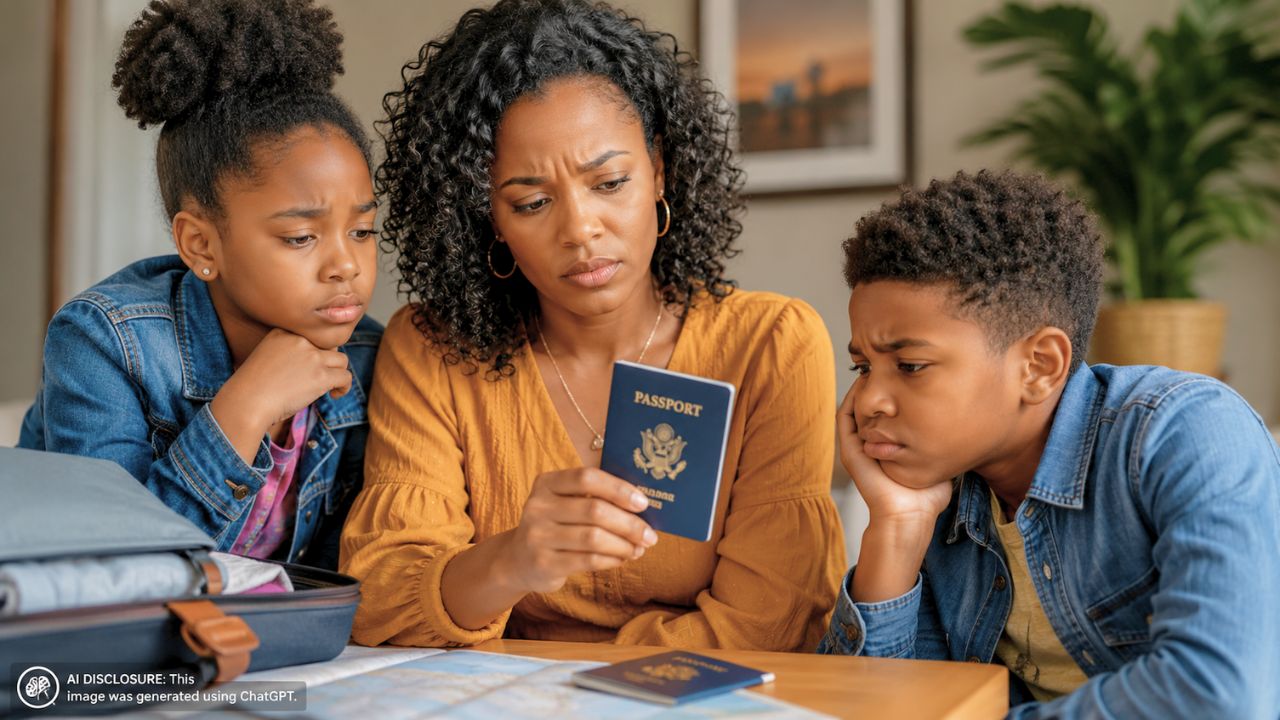
Photo credit: AI-generated image created using ChatGPT. Illustrative only.
A mother with primary custody of her two kids says she’s drawing a hard line on international travel with their father this winter—because the last time she lived overseas with him, she says he controlled the family’s passports and limited her ability to leave. In the original post, the 41-year-old describes a co-parenting relationship that has grown more hostile just as her ex pushes for a trip to Dubai to see his relatives for a new baby’s birth.
Her children are 11 and 13, and she says she isn’t trying to punish them or keep them from their dad’s side of the family. But after years of feeling trapped once before—and with their father now refusing to communicate directly—she says she can’t ignore the risk of the kids being taken out of the country and not brought back on her terms.
She says the passport control started during the marriage overseas
The mother says her marriage to her ex-husband, now 42, was marked by financial and emotional control. After they married, the family lived in the Middle East, where she claims he kept her passport and the kids’ passports under his control and restricted their travel.
She also describes ongoing pressure and interference from his family, saying they “constantly interfered and caused conflict.” Because her husband depended on his father for money, she says he never defended her when disagreements escalated.
Eventually, she says she and the kids made it to the U.S. And when his family insisted she could only return overseas if she followed their rules, she chose to stay, build a life, and leave the marriage. She says she established a career in IT and moved forward with co-parenting from there.
Co-parenting has turned into a standoff over money and communication
On paper, she says they’ve been co-parenting, with her holding primary custody and him paying child support. In practice, she describes a constant fight over basics: she says he refuses to provide clothing or essentials for the children and instead deducts those purchases from his support payments.
She says she currently has an open case with the Division of Child Services over violations of their agreement. She also says he doesn’t have a job and relies on his family for income, which she suggests feeds into the same dynamic she dealt with during the marriage.
Over the summer, when he first asked to take the kids to the Middle East, she says she told him she wasn’t comfortable with it. That was the moment, in her telling, that communication fell apart completely.
After she said no, she says he went silent—and used the kids as messengers
Once she refused the request, she says her ex began ignoring her outright. She claims he stopped responding to her messages, didn’t coordinate plans, and only spoke to her through the children.
She says she sent more than 20 messages without a reply and later realized he had blocked her. While he stayed out of direct contact, she says she continued handling the everyday responsibilities: medical appointments, school physicals, dental cleanings, orthodontic consultations, and back-to-school preparation.
To her, the silence wasn’t just rude—it was a warning sign. If he wouldn’t communicate about school forms and health care, she questioned how she could trust him to coordinate international travel involving passports, flights, and a clear return plan.
The Dubai request came back with a new reason: a baby’s birth
More recently, she says he renewed his push for travel, this time tied to a family event: his brother’s girlfriend is expecting a baby in December, and he wants the kids there for the birth. The mother says that framing doesn’t change her concerns, especially given the history she describes.
Her biggest fear is blunt: she believes there’s a real risk he could keep the children overseas without her approval. She doesn’t describe a specific threat, but she connects that fear to the years she says he controlled passports and limited movement when they lived abroad.
In her view, the timing makes it worse, not better. She says he’s already shown he’s willing to shut her out of communication. Adding international borders, extended family influence, and a destination far from her legal reach feels like a gamble she doesn’t want to take.
She says he’s trying to shift the narrative in front of the kids
The mother also alleges her ex has been making inappropriate comments to the children about why she’s refusing. She says he told them she’s just “mad” because she can’t afford to go to the Middle East, and that he laughed about it with his brother in front of them.
That detail matters because it changes the fight from a private co-parenting disagreement into something the kids are forced to carry. Instead of two adults hashing out logistics and safety concerns, she says the children are being positioned as the audience—and the messengers.
And from her perspective, it’s not just hurtful; it’s strategic. If the kids feel like they’re missing out because of their mom, pressure builds at home, and her “no” becomes harder to hold even if she believes it’s the safer choice.
What people focused on: risk, documentation, and control
In responses to the post, much of the attention centered on the practical danger embedded in her description: a parent who once controlled passports, now asking to take the children abroad while refusing to communicate directly with the other parent.
The most common theme was that safety and enforceability matter more than the reason for the trip. A family birth might be meaningful, but commenters tended to treat it as secondary to the questions the mother raised: Who physically holds the passports? What does the custody agreement say about international travel? What happens if the return date comes and goes?
People also latched onto the communication breakdown. If a parent is blocking the other parent, refusing to respond, and routing everything through kids, that’s not the setup most people associate with smooth, verifiable travel planning.
And while the mother’s post is written as a moral question—whether she’s wrong for refusing—much of the reaction treated it like a documentation question: keep records of unanswered messages, keep medical and school coordination documented, and use the existing child services case to establish a pattern rather than trying to “win” an argument in the living room.
The mother hasn’t said she’s looking to cut off the father’s relationship with the kids. But she’s also not describing a situation where trust is intact. With a history she says includes passport control, a present-day refusal to communicate, and an ongoing dispute over child support and expenses, she’s left weighing one family milestone against the possibility of a much bigger loss: not being able to bring her children home.
Check out more from Now Rundown:
- A Party of 12 Came Back a Month Later Demanding Their $80 Tip Refunded — My Restaurant Made Me Pay It
- Her Coworker Kept Filing the Same Complaint About Her After Being Warned — Then She Filed a Counter-Report With Every Email Documented
- Siblings Demanded Half of Their Sister’s $11 Million Inheritance — She Refused Because They Never Visited
- The Kid I Bullied in Middle School Just Interviewed for a Job on My Team — He Bombed It and I Didn’t Hire Him

Abbie Clark is the founder and editor of Now Rundown, covering the stories that hit households first—health, politics, insurance, home costs, scams, and the fine print people often learn too late.