Daughter Held Power of Attorney Over Her Mother and Left Her in the Basement While the Couple Vacationed — Both Are Charged With Financial Exploitation
Photo credit: AI-generated image created using ChatGPT. Illustrative only.
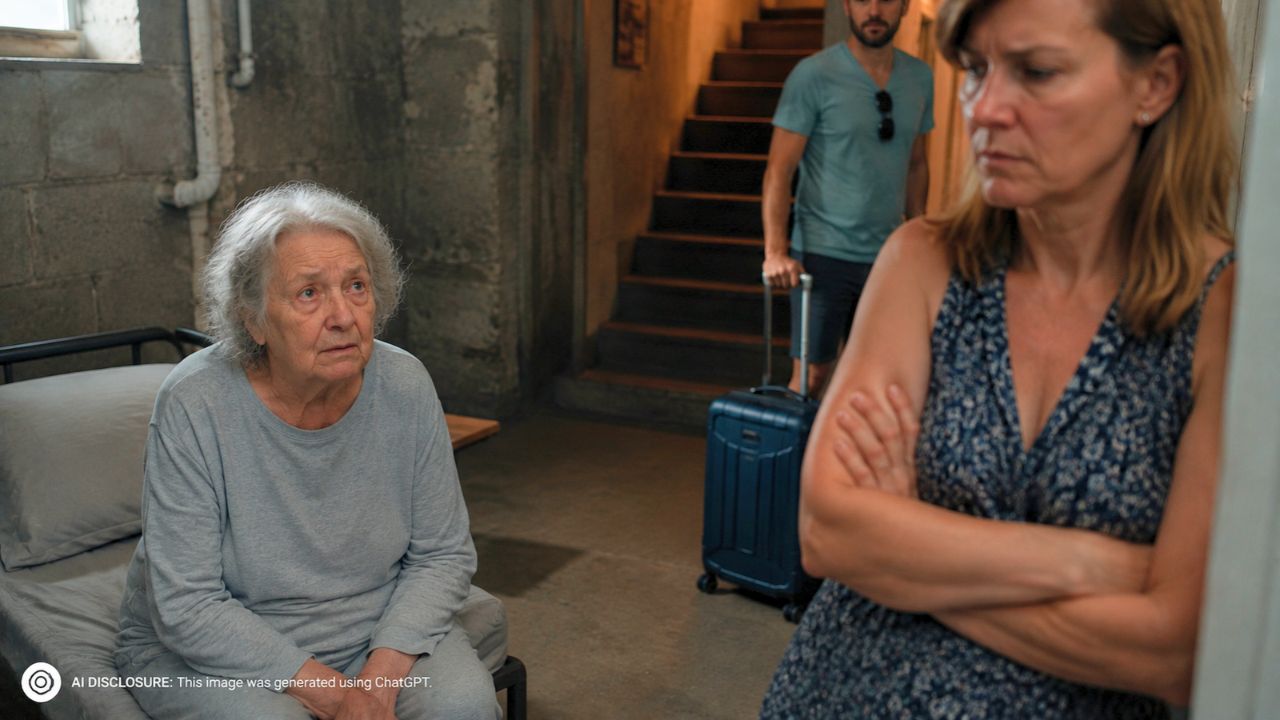
When first responders arrived at a York County home in February 2024, they found an elderly woman alone in the basement—soiled, blocked off behind a dog gate, and left with hot dogs and two cups of water. A relative had called Emergency Medical Services for help, and what they walked into kicked off a criminal investigation that now has the woman’s daughter and son-in-law facing multiple charges.
State Attorney General Dave Sunday says the couple, Ashlee Brady and Brian Brady of Hanover, were supposed to be the people protecting her: Ashlee held power of attorney over her mother, and Brian was listed as the victim’s caregiver. Instead, investigators allege the pair abandoned her while they went away overnight with their children and also used the victim’s money to bankroll their own spending. Details were laid out in the source post from the Pennsylvania Office of Attorney General.
A basement, a dog gate, and a call for help
The discovery wasn’t the result of a routine welfare check. According to the Attorney General’s announcement, a relative reached out for assistance, and that call led EMS to the home.
Inside, the victim was found in the basement, locked down there and penned into a corner with a dog gate. Authorities say she was soiled and had been left with minimal food and water—hot dogs and two cups of water.
That kind of detail matters because it paints a picture that goes beyond neglect as an abstract accusation. The state is alleging a deliberate choice to confine a care-dependent person in an isolated part of the home with bare-minimum supplies and no supervision.
They weren’t just family—they had legal and paid responsibilities
This case isn’t being framed as a family misunderstanding or a caregiver getting overwhelmed. Investigators say the people charged had formal roles that gave them control and access.
Ashlee Brady, 32, was her mother’s power of attorney, meaning she had authority over key decisions and finances. Brian Brady, also 32, was the victim’s caregiver, and the Attorney General’s office says he was reimbursed with Medicaid funds through his employer.
In other words, prosecutors aren’t alleging that the couple simply happened to be around when things went wrong. They’re alleging that the very structures meant to protect the victim—legal authority and paid caregiving—were used to isolate her and drain her resources.
The trip that turned into criminal allegations
After the basement discovery, investigators determined the defendants left the victim there while they took an overnight trip with their children. The Attorney General described it as abandonment of a care-dependent person.
Attorney General Sunday called the allegations “truly disturbing,” pointing to the fact that the defendants were not only family but were also “paid to look out for this victim’s best interests.” The state’s framing is blunt: the roles were not incidental, they were central to the alleged misconduct.
The criminal charges reflect that. Both Ashlee and Brian Brady are charged with neglect of a care-dependent person, financial exploitation of an older adult/care-dependent person, theft by deception, and conspiracy counts tied to those alleged crimes.
Where the money went, and how investigators say it was taken
The case doesn’t stop at the basement. The Attorney General’s office says the investigation uncovered alleged financial exploitation involving more than $10,000 of the victim’s money.
Investigators allege that money was used for personal expenses, including vacations and alcohol, as well as “other activities not related to her care or upkeep.” That line is doing a lot of work: it suggests prosecutors will argue the spending wasn’t a gray area or a one-off mistake, but part of a pattern where the victim’s funds were treated like a shared account for the household.
Because Ashlee Brady allegedly held power of attorney, she would have been positioned to access and direct those finances. And because Brian Brady was allegedly receiving Medicaid-related reimbursement connected to caregiving, the financial side of the case appears to involve both private funds and public program dollars.
Extra charges: alleged lies under oath and Medicaid fraud
Prosecutors also added charges that hint at what they believe happened after the abandonment was discovered—when people started asking questions and the couple had to explain themselves.
The Attorney General’s office says Ashlee Brady lied under oath about the abandonment, allegedly claiming she had arranged for a family member to watch the victim. Based on that, she is charged with perjury. She is also charged with two counts of intimidation of a witness.
Brian Brady faces four counts of Medicaid fraud. According to investigators, he allegedly submitted hours to his employer for reimbursement from Medicaid for services he did not actually provide the victim. If proven, that allegation would turn caregiving paperwork—timesheets, billed hours, program compliance—into a key part of the case, not just the background.
What people tend to focus on in cases like this
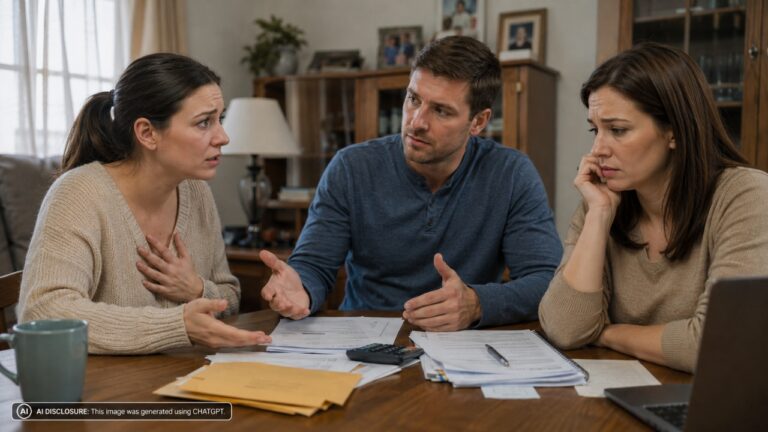
Even without public comments included in the announcement, the pressure points in a case like this are obvious: access, documentation, and the paper trail. When someone has power of attorney and caregiving authority, there’s usually a stack of receipts, account statements, timesheets, and records of who was supposed to be with the victim and when.
The state’s allegations touch all of those points—confinement in the home, an overnight trip, and spending that allegedly had nothing to do with the victim’s care. And the added accusations of perjury and Medicaid fraud suggest investigators didn’t just rely on one bad day in the basement; they kept pulling at the thread until they believed they had a bigger pattern.
For families watching a loved one decline, this is also the nightmare scenario: the person with the legal keys to the house and the bank account is the person authorities say caused the harm. Once that happens, the usual “talk it out” family options shrink fast, and it becomes about emergency intervention and outside oversight.
The Bradys’ preliminary hearing is scheduled for March 27, and the case is being prosecuted by Senior Deputy Attorney General Christopher R. Sherwood. The Attorney General’s office emphasized that the charges are allegations and the defendants are presumed innocent unless and until proven guilty. For now, the case sits in that tense place between what investigators say they found and what prosecutors can prove in court.
Check out more from Now Rundown:
- A Party of 12 Came Back a Month Later Demanding Their $80 Tip Refunded — My Restaurant Made Me Pay It
- Her Coworker Kept Filing the Same Complaint About Her After Being Warned — Then She Filed a Counter-Report With Every Email Documented
- Siblings Demanded Half of Their Sister’s $11 Million Inheritance — She Refused Because They Never Visited
- The Kid I Bullied in Middle School Just Interviewed for a Job on My Team — He Bombed It and I Didn’t Hire Him

Abbie Clark is the founder and editor of Now Rundown, covering the stories that hit households first—health, politics, insurance, home costs, scams, and the fine print people often learn too late.