Man Resented His Parents for Splitting Their $2 Million Estate Equally Among Siblings Who Never Helped Care for Them — Then Confronted Them
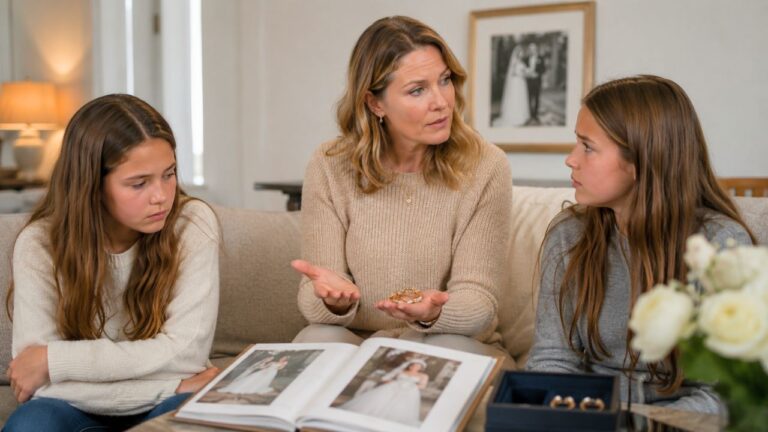
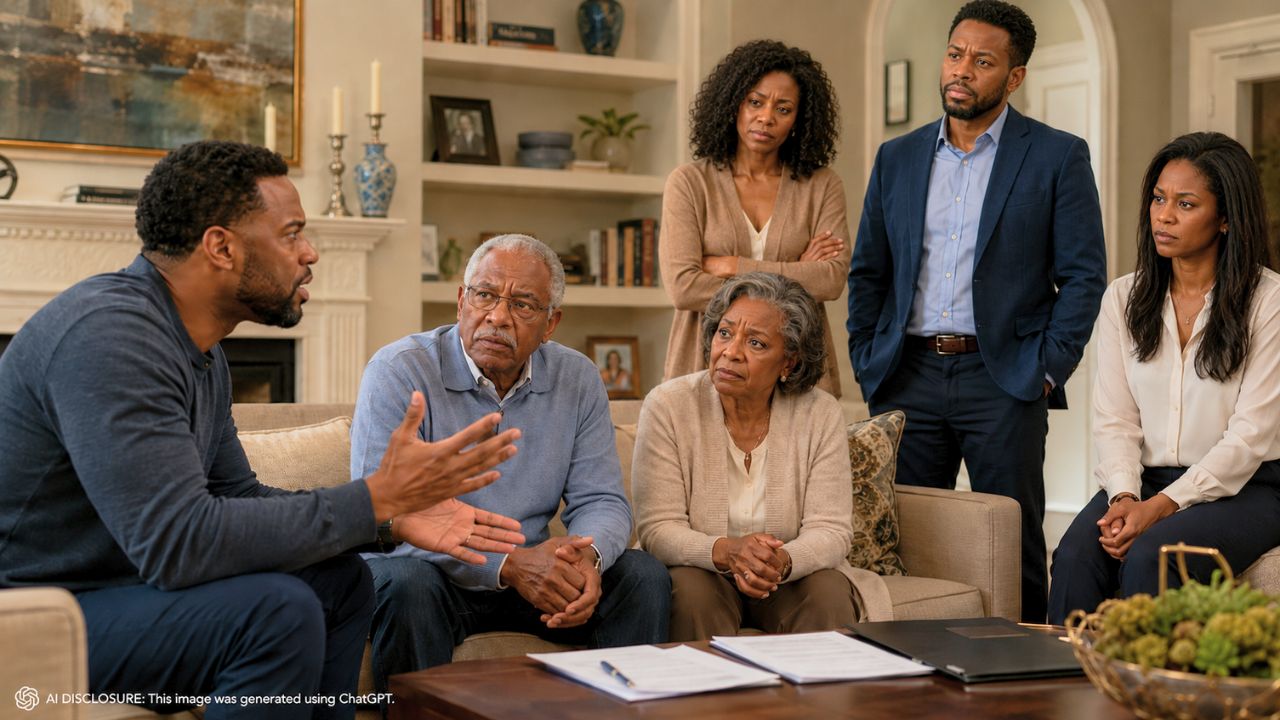
Photo credit: AI-generated image created using ChatGPT. Illustrative only.
After four years of putting his own life on hold to care for a dying parent, one man thought the will would reflect what happened behind closed doors. Instead, he opened the paperwork and saw a clean 50/50 split with the sibling he says barely showed up, a decision he described as less about dollars and more about what it seemed to say about their roles in the family.
In the original post, he laid out a family history marked by years of chaos, long silences, and one final attempt at reconciliation that, in his telling, ended the same way so many other moments had: with his brother starting a fight and walking away.
Growing up with a sibling who dominated the house
He described his brother as “a terror” throughout their childhood—constantly in trouble, picking fights, and treating both parents and sibling with open disrespect. The behavior was so unmanageable, he said, that their parents sent the brother away to boarding school.
But distance didn’t change the dynamic. As adults, he said, his brother showed up only when he needed money, and when he did come around, he treated their parents like servants and berated everyone in the home. The poster added that tantrums and blowups continued well into the brother’s 30s, leaving the family braced for the next eruption.
Years of estrangement, then loss
The relationship between the brother and their parents deteriorated so badly, the poster said, that there was a six-year stretch when they didn’t speak at all. When their mother died, he said, his brother didn’t even check in on their father.
That left the poster to handle the immediate aftermath, including planning the funeral. In his telling, it was an early preview of how responsibilities would land—one sibling taking on the unglamorous logistics and emotional labor, the other remaining largely absent.
When Dad got sick, one child moved home and stayed
After their father became ill, the poster said he moved halfway across the country back home to take care of him. He framed it as the expected role: he was the “good son” who would show up, keep things running, and absorb the stress without complaint.
For four years, he said, he took his father to doctor’s appointments and helped however he could. The care came with real opportunity costs. He wrote that he turned down promotions because they would have reduced the flexibility he needed to be available.
It wasn’t just a few visits or a short stretch of help, either. The way he described it, caretaking became the organizing principle of his life—work choices, where he lived, and how much of his time belonged to someone else.
A last attempt to make amends ended in another blowup
As his father neared the end of life, the poster said his dad reached out to the brother in an effort to reconcile. The brother did come home, which sounded, briefly, like the family might get a softer ending than expected.
But it didn’t last. The poster said it “didn’t take long” before the brother started another fight, yelled at their father, and walked out of the hospital room. For the poster, that moment seemed to confirm everything he’d experienced for decades: when things got hard or emotional, the brother detonated the room and left.
Then their father died. The poster was left with grief, a long history of uneven responsibility, and the expectation—spoken or unspoken—that the will might acknowledge it.
The will split everything evenly, and the meaning hit harder than the money
When the estate was divided equally between the two siblings, the poster said he was shocked. He emphasized that he didn’t necessarily expect his brother to be fully disinherited. What he didn’t anticipate was “exactly down the middle,” a decision that felt, to him, like an official declaration that their contributions were the same.
That’s where the resentment kicked in. The poster said it wasn’t purely about the money, but about the message: after a lifetime of one sibling “making our entire family’s life miserable” and another sibling sacrificing time and career momentum to provide care, the will treated them as equals.
The numbers, as he presented them, only sharpened the reaction. He described the estate as very sizable—“well over $10 million”—and said his brother would receive an equal share. With that scale, an even split isn’t just symbolic; it changes what each person can do next, from housing to investing to how quickly they can walk away from family ties.
And it also locks in a final decision the father can no longer explain. The poster is left to interpret silence—trying to figure out whether the equal split was about avoiding conflict, guilt, hope for change, or a belief that inheritance shouldn’t be used to reward or punish adult children.
What people tended to focus on: caregiving isn’t automatically “paid back”
The post was framed as a moral question: is it wrong to resent a parent for choosing an equal inheritance despite unequal effort and unequal harm? Even without a quoted comment section included, the fault lines are familiar in families dealing with estates.
One common point people raise in cases like this is that caregiving, unless it’s documented in an agreement or addressed in an updated will, often isn’t compensated the way caregivers expect. Parents may see an inheritance as separate from caretaking—something to be split evenly to avoid appearing to choose sides, even if they privately relied more heavily on one child.
Another practical theme readers often latch onto is what can still be controlled now: estate administration, deadlines, and documentation. Even when a split is fixed, the process around it can get messy quickly if siblings are already estranged, especially when one has a history of explosive confrontations. In real life, people in this position typically try to keep communication in writing, minimize one-on-one blowups, and stick to the formal process so a personal feud doesn’t create financial delays.
But emotionally, the poster’s central issue remained: the will felt like a final invalidation of years of work, and the kind of work that doesn’t come with receipts—time, attention, presence, and being the person who stays when everyone else disappears.
He didn’t describe a clean resolution. What he described was the moment many families dread: the parent is gone, the paperwork is final, and the sibling who did the caretaking is left deciding whether to swallow the hurt, confront the living sibling, or reframe the inheritance as separate from the life that led up to it.

Abbie Clark is the founder and editor of Now Rundown, covering the stories that hit households first—health, politics, insurance, home costs, scams, and the fine print people often learn too late.