Landlord Listed Their Leased House as an Airbnb — Then Renters Walked In Through the Garage Code
Photo credit: Sophiecat/Shutterstock.com
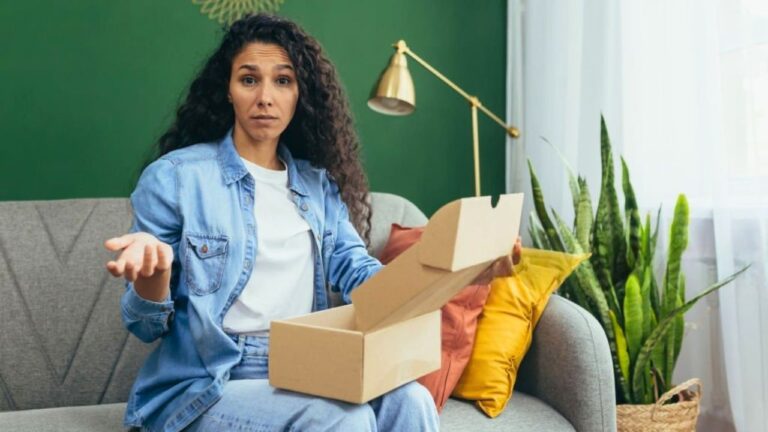
A tenant said a landlord dispute turned into a major safety concern after the landlord allegedly listed the home as an Airbnb while the tenant was away, and short-term renters later walked into the house using the garage code.
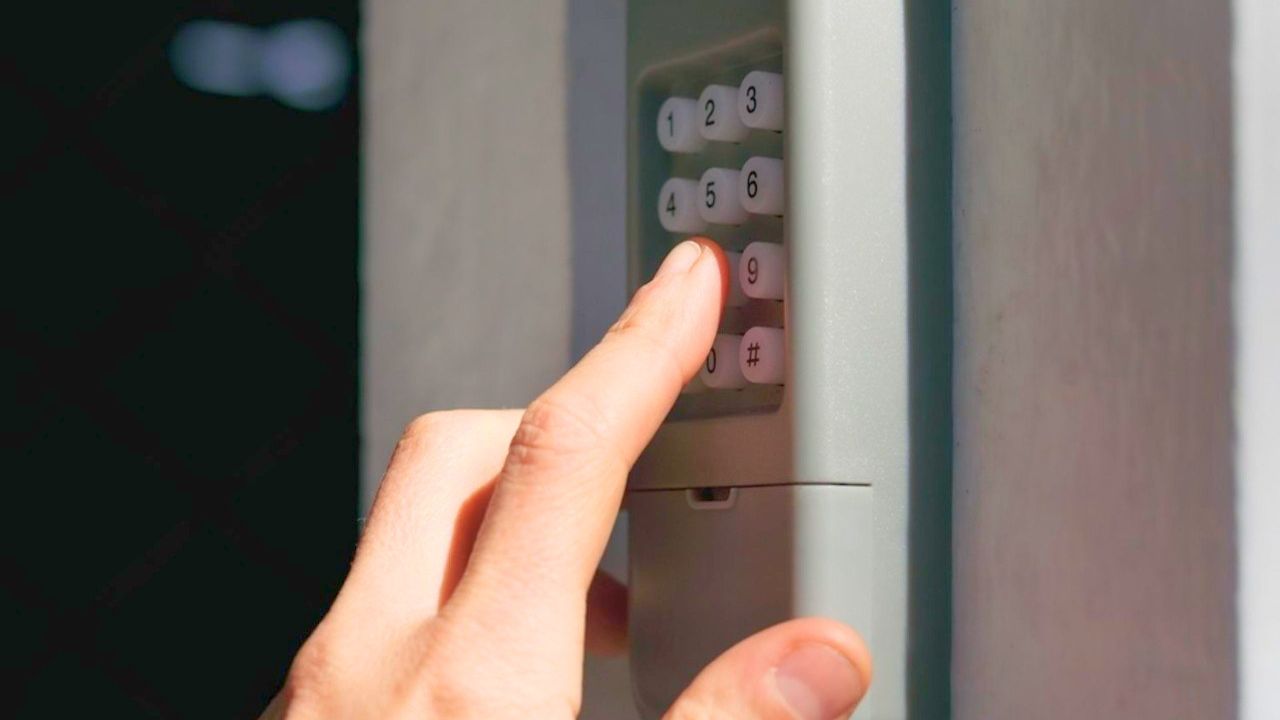
The tenant shared the situation in a post on r/legaladvice, explaining that they had leased the house and were not home when the problem happened. According to the post, the landlord had listed the property on Airbnb, and people who believed they had rented the place were able to enter through the garage.
That detail changed the situation from a lease dispute into an immediate security issue.
A rented house is still someone’s home. The tenant’s belongings are there. Their private documents, clothing, electronics, furniture, medication, family items, and personal spaces are inside. Even if the landlord owns the property, that does not mean they can treat an occupied leased home like a short-term rental whenever the tenant is away.
The most alarming part was the access. These were not people peeking through a window or knocking on the wrong door. The renters allegedly had a working garage code, which meant someone had given them a way into the house.
From the tenant’s perspective, that would be terrifying to discover. A stranger walking into your leased home because they think they have permission is still a stranger inside your home. The guests may not have intended to trespass, but the result was the same: people who did not live there and did not have the tenant’s permission were inside the property.
The situation also created danger for the Airbnb guests. They may have believed they had a legitimate booking and walked into what they thought was their rental. If the tenant, a family member, a house sitter, or a neighbor had been inside and heard someone entering, the encounter could have escalated before anyone understood what was happening.
The tenant needed to know what to do. Could they call police? Could they change the garage code or locks? Was the landlord allowed to list a leased home? Could this support breaking the lease? Should Airbnb be contacted? Could the landlord be held responsible for giving strangers access to the property?
Those questions matter because the problem was not only that the landlord allegedly advertised the home. It was that the advertisement led to people physically entering the tenant’s space. That meant the tenant had to think about immediate security first, then the legal side.
The post did not describe a simple misunderstanding over a calendar or a mistaken listing. It described a landlord allegedly turning an occupied rental into an Airbnb without the tenant’s consent, then providing access that allowed short-term guests to walk in.
Commenters Told the Tenant to Treat the Entry as the Urgent Issue
Commenters generally focused on the safety and access problem before anything else.
Several people said the tenant should document everything connected to the listing and the entry. That included screenshots of the Airbnb listing, booking information if available, messages from the landlord, photos of the garage keypad, dates and times the guests entered, and any communication with the people who walked in.
Others said the tenant should contact Airbnb and report that the property was an occupied leased home being listed without the tenant’s consent. The platform needed to know that guests were being sent into a home where someone else legally lived.
Police also came up because strangers had entered the home. Even if the Airbnb guests believed they had permission from the landlord, the tenant did not give them permission. A police report could help create a record of the unauthorized entry and the security risk.
Commenters also told the tenant to address access immediately. Depending on the lease and local law, the tenant might need to change the garage code, ask for locks or codes to be changed, or demand that the landlord stop giving access to third parties. They also needed to be careful not to violate the lease by changing locks improperly, so written communication and local tenant guidance mattered.
There was also advice to contact a tenant attorney or legal aid group. If the landlord had rented out a leased home to Airbnb guests, the tenant may have claims related to quiet enjoyment, unauthorized entry, breach of lease, or constructive eviction depending on the full facts and local law.
The post did not end with the Airbnb listing removed or the lease dispute resolved. It ended with the tenant trying to understand how to respond after strangers walked into the home through a code they never should have had.
That is what made the situation serious. The issue was not only a landlord making extra money on the side. It was a landlord allegedly giving short-term renters access to an occupied home.
Commenters did not tell the tenant to treat it like a harmless booking mistake. They told them to save the listing, report it to Airbnb, document the entry, create a police record if needed, and get local tenant help before more strangers were sent to the door.
Because when a landlord lists a leased house as an Airbnb and renters walk in through the garage code, the question is not only who owns the property. It is who has the right to decide who comes inside the home.

Abbie Clark is the founder and editor of Now Rundown, covering the stories that hit households first—health, politics, insurance, home costs, scams, and the fine print people often learn too late.