Airbnb Door Code Opened the Wrong Rental — Then the Real Guests Found a Stranger on Their Couch
Photo credit: Black Lollipop/istock.com
An Airbnb guest said a rental mix-up became a legal worry after a door code opened the wrong unit, leaving them inside a home they were not supposed to enter.
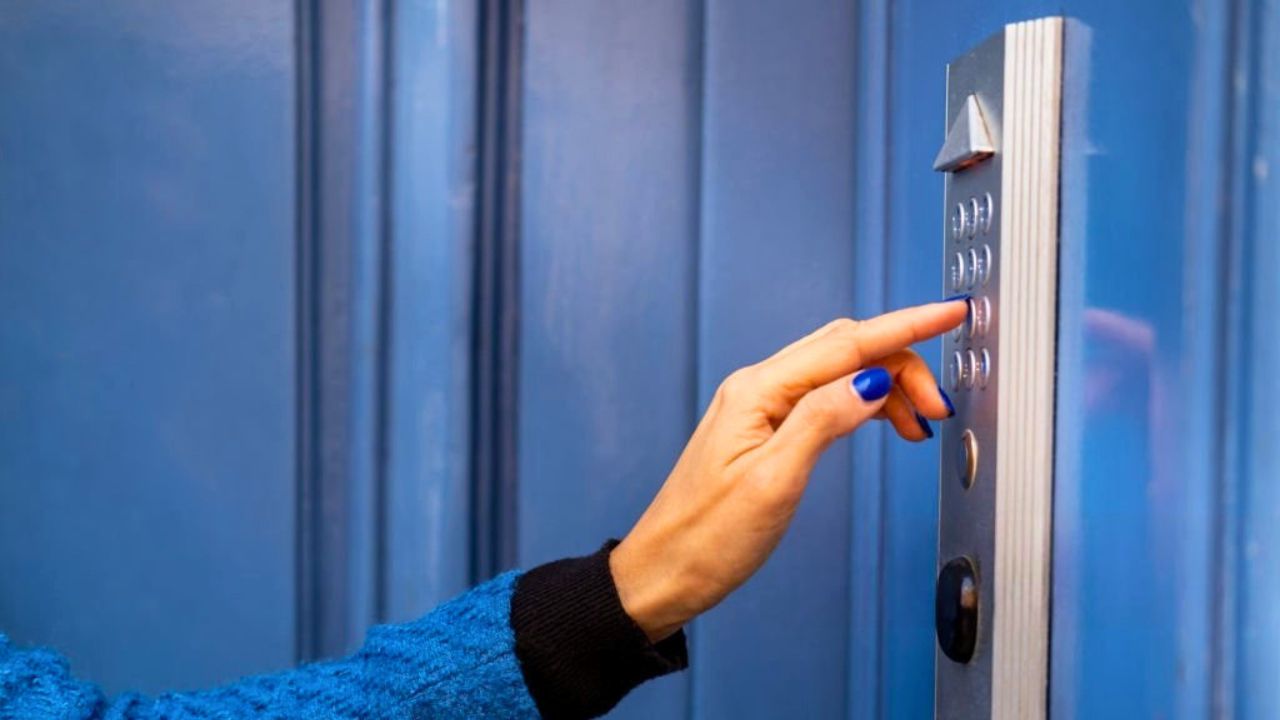
The guest shared the situation in a post on r/legaladvice, explaining that they were trying to get into the Airbnb they believed they had booked. They had a door code, and the code worked.
That is what made the situation so confusing.
Most people would assume that if the door code works, they are at the right place. Airbnb and other short-term rental stays often rely on codes instead of keys, and guests may arrive tired, distracted, late at night, or in an unfamiliar neighborhood. They follow the address, enter the code, and expect the door to open only if they are allowed inside.
In this case, the code opened the wrong rental.
According to the post, the guest accidentally entered the wrong Airbnb and later became worried about the legal consequences. The situation apparently became even more alarming when the actual guests or occupants discovered a stranger inside the unit.
That is the kind of mistake that can turn scary for everyone involved. The person who entered may have believed they were following check-in instructions. The people already inside may have believed someone was breaking into their rental. Both sides could be frightened, and the entire situation could escalate before anyone understands that the real problem may be a code, listing, or property-management failure.
The guest’s concern was understandable. Accidentally entering the wrong unit is not the same thing as intentionally breaking in, but it still means they were inside a place where they had no right to be. They wanted to know whether they could face criminal trouble, whether they should contact Airbnb, and whether the host or property manager was responsible for giving them access that worked on the wrong door.
The door code itself became the central piece of the story. If the guest had forced a lock, climbed through a window, or ignored signs they were in the wrong place, the situation would look very different. But if the code provided through the booking opened the door, that suggests a serious access-control problem.
That matters for the real guests too. A short-term rental should not have a code that lets unrelated strangers into an occupied unit. If one mistaken guest could enter, who else could? Was the code reused? Did the host fail to change it between stays? Were multiple units using the same code? Was the address or unit number unclear?
The post did not describe someone sneaking in with bad intentions. It described a traveler who followed a working code into the wrong place and then realized the mistake had real legal and safety implications.
Commenters Told the Guest to Document the Code and Contact Airbnb
Commenters generally told the guest to preserve everything that showed they had acted based on the booking instructions.
Several people said the guest should save screenshots of the Airbnb listing, address, check-in instructions, door code, messages with the host, timestamps, and any photos showing the confusion between units. If anyone later claimed the guest entered intentionally, those records would matter.
Others said the guest should contact Airbnb support immediately and explain that the provided code opened the wrong rental. This was not only a guest mistake. It was a security failure that could put other guests at risk.
Commenters also advised the guest not to return to the wrong unit or try to fix the problem directly with the occupants. Once the mistake was discovered, the safest path was to leave, communicate through the host and platform, and avoid any further contact that could make the situation feel more threatening.
Some commenters said police involvement would depend on how the actual occupants responded and whether anyone called authorities. If police did become involved, the guest would need to calmly explain that they had a valid booking, followed the provided instructions, and entered because the code worked.
There was also concern for the occupants who found a stranger inside. Commenters noted that a host or property manager who gives out access codes that open occupied units may need to answer serious questions about security practices.
The post did not end with a final legal ruling or an Airbnb resolution. It ended with the guest worried about the consequences of entering a rental they never meant to enter.
That is what made the situation so unsettling. The guest did not pick a lock or force their way in. The door opened with the code they believed they were supposed to use.
Commenters did not tell them to ignore it. They told them to document the booking instructions, report the access failure to Airbnb, avoid direct confrontation, and preserve proof that the mistake began with a working code.
Because when an Airbnb door code opens the wrong rental, the issue is not only one guest’s mistake. It is whether the host’s access system let a stranger walk into someone else’s temporary home.

Abbie Clark is the founder and editor of Now Rundown, covering the stories that hit households first—health, politics, insurance, home costs, scams, and the fine print people often learn too late.