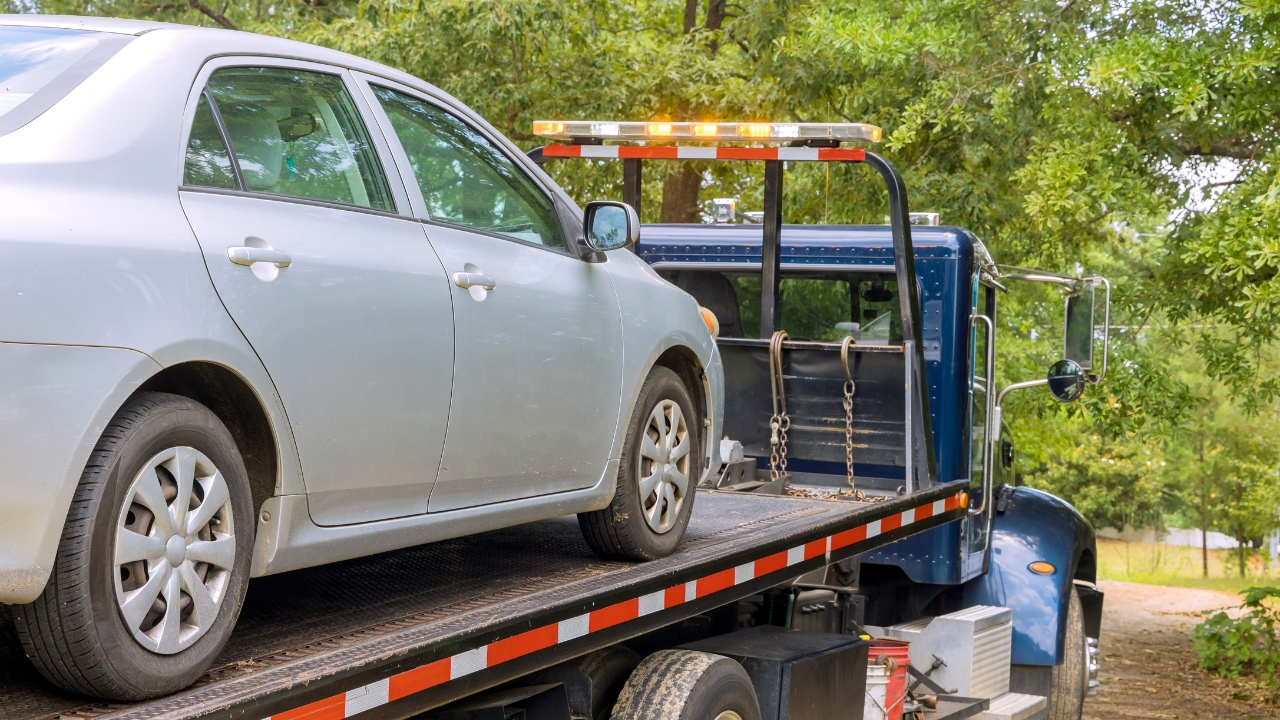
Man Says His Landlord Had His Car Towed From His Own Spot — Then It Was Scrapped Before He Even Knew
Photo credit: ungvar/Shuttterstock.com
A Boston man says he had been renting the same parking space behind a house for eight years.
He did not use the vehicle parked there very often, but he still paid for the spot. Month after month, the landlord cashed checks from him for that specific parking space.
Then he went to check on the car.
It was gone.
He explained in a Reddit post that the landlord had the vehicle towed away and that it was later scrapped. According to him, the property management company claimed they did not know whose car it was and wanted to give the parking space to a new tenant in the building.
That explanation did not sit right with him.
This was not an abandoned car randomly sitting behind a property. He had a lease for parking at that address. The lease included names and contact information. He had been paying for the space continually with bank checks that said the parking address right on them. He also had email records from when he bought the vehicle, including the make, model, color, and updated contact information.
Despite all that, he said he never received notice that the vehicle would be removed.
No phone call. No mail. No email.
The landlord later claimed they had been unable to contact him and apparently believed the checks they were cashing were for a different parking spot.
That made the situation even more frustrating. If the company was still taking his money for “parking at” that address, how could they also claim they did not know who controlled the vehicle in that exact space?
The man said the landlord was a professional investment and property management company with multiple properties in the area, though still small and family-run. He also said the business had poor recordkeeping and that the son had taken over after his father developed Alzheimer’s. The poster believed the son may have made an honest mistake.
But honest mistake or not, the car was gone.
Worse, it had already been sold to a scrapper and crushed. When he found the towing company and asked about it, he said they were defensive and claimed he owed around $1,000 in towing and storage fees.
That added another layer to the mess. Not only had the car been removed from a spot he was paying for, but now he worried the towing company might try to come after him for fees connected to a tow he never authorized and did not even know about until months later.
He wanted compensation, but he also wanted the problem to stop growing.
His plan was to ask the landlord for the current value of the vehicle, any overpaid rent after it was towed, and a formal end to the parking lease. He also wanted written protection from any responsibility for towing or storage charges.
Commenters quickly pointed out that Massachusetts has strict rules around towing and disposing of vehicles. Several said it did not sound like the landlord or towing company had followed the proper process for removing and scrapping a vehicle from private property.
One commenter noted that the tow company should have had a duty to identify the owner, notify them where the vehicle was being held, explain storage fees, and give them a chance to retrieve the car before it was sold or destroyed.
The poster replied that the vehicle had identifying information inside, including business cards, a utility bill, and other paperwork because he had planned to take it in for inspection. Commenters pushed back somewhat, saying the paperwork inside the car may matter less than the address on the title or the lease notification address. But either way, the lack of notice remained the core issue.
He also said the vehicle had run well and that he maintained it, charged the battery, moved the tires, and took care of it even though he did not drive it often.
This was not a dead hulk left to rot.
The value became its own issue. The man initially thought in terms of Blue Book value, but commenters warned that an older Jeep might have collector or enthusiast value that standard guides would not capture well. They suggested looking at comparable sales, documentation, condition, receipts, and any records showing what similar vehicles actually sold for.
Several commenters also brought up small claims court, given the car was worth less than $3,000 by his estimate. Others suggested he might consult a lawyer for an hour or two to help craft a demand letter, especially because Massachusetts consumer-protection laws could potentially apply if the landlord or tow company acted improperly.
The man did not seem eager for a long fight. He said he wanted it to go away, not get messier. But commenters warned that if the towing company tried to send the $1,000 bill to collections, the mess could follow him anyway.
That is what made the situation so aggravating. He had paid for the spot, kept records, gave contact information, and still lost the car. Then he had to consider whether the people who removed and scrapped it might also try to bill him for the privilege.
The post did not end with a neat resolution, but the path was clear: gather the lease, checks, emails, title, vehicle value documentation, tow records, and any proof of overpaid rent, then make a formal written demand.
Because the car was not merely moved.
It was gone for good.
And if the landlord’s bad records caused that, the tenant wanted them to pay for more than an apology.
Commenters mostly told him the landlord and towing company may have serious problems if they failed to follow Massachusetts rules for removing and disposing of a vehicle.
Several people said he should gather the lease, cashed checks, emails confirming the vehicle details, title, and any proof of contact information before speaking with a lawyer or sending a demand letter.
A lot of commenters focused on vehicle value. They warned that Blue Book might not fairly capture the value of an older Jeep and suggested looking at comparable sales instead.
Others said he should be careful about towing and storage fees. If the towing company claimed he owed money, he needed the issue resolved in writing before it could end up in collections.
The strongest advice was practical: do not rely on verbal conversations with the landlord or tow yard. Put everything in writing, document the mistake, and ask for the car’s value, overpaid parking rent, and written release from any towing fees.

Abbie Clark is the founder and editor of Now Rundown, covering the stories that hit households first—health, politics, insurance, home costs, scams, and the fine print people often learn too late.