Foster Care Survivor Refused a Handout Request From Their Birth Mother — After She Blocked an Adoption That Would Have Given Them a Real Family
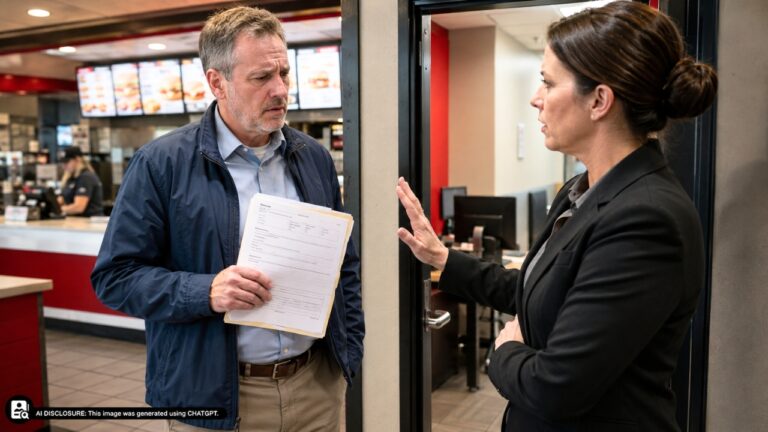
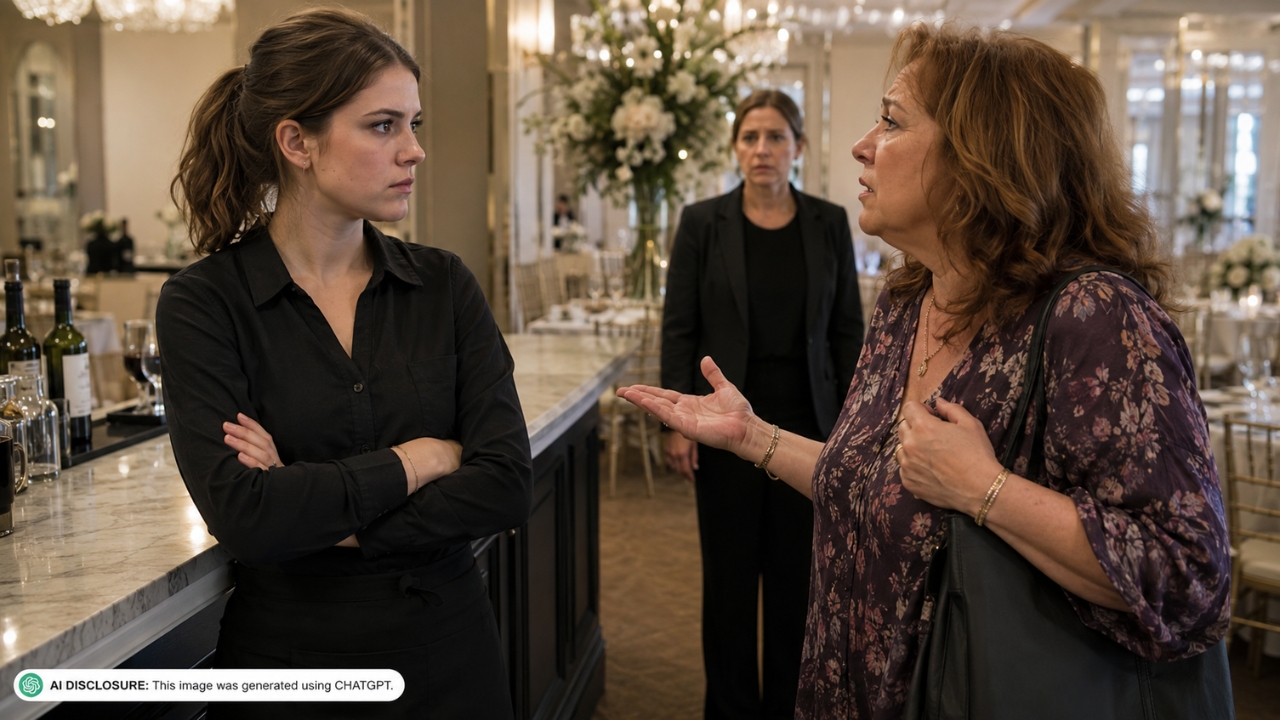
Photo credit: AI-generated image created using ChatGPT. Illustrative only.
It was supposed to be a simple workplace perk: employees at a wedding venue can book the space at a steep discount. But for one foster care survivor, that perk turned into a pressure campaign the moment their birth mother—who they say spent years refusing to raise them while blocking their adoption—found out and came asking for a favor.
In the original post, the writer describes a childhood defined by instability, missed chances at permanency, and an adulthood where their birth mother still tries to take, not repair. When the request came in the form of a “handout” for a discounted wedding venue booking, they refused. The fallout didn’t stay private for long.
A childhood shaped by “no,” followed by a blocked chance at stability
The writer says their birth mother had them at 14, but they’re clear that age alone isn’t what drives the resentment now. What they can’t move past is what happened after: repeated opportunities for reunification that, in their telling, were rejected—while adoption was also prevented.
They were removed from an aunt’s care at age 6 and grew up in foster care. At one point, they landed in what they describe as a great placement—one that wanted to adopt them. The writer says they hadn’t heard from their birth mother in about a year, and rights were close to being terminated.
That’s when, according to the post, their birth mother reappeared specifically because an adoption was in motion. The writer says she “showed up and managed to mess it all up,” stopping the adoption. The foster family then took a major job opportunity out of the country, but because the writer was a ward of the state, they weren’t allowed to go with them.
The writer describes what came next as two traumatic placements in quick succession, and they put responsibility for that chain of events on the decision that kept them from being adopted when they had the chance.
Contact didn’t bring healing—just more damage
After the failed adoption, the writer says they shut down emotionally during periodic visitations, staying silent and refusing to engage. They describe being “mentally and emotionally done” with their birth mother after what they see as deliberate sabotage of their chance at a stable family.
They also describe deeper cruelty that followed them into later years: berating, minimizing what they endured, and even laughing at abuse they suffered in foster care. One moment stuck with them in particular—being mocked about a tooth being knocked out by a drunk foster father.
That history is important, because it explains why a “small thing that costs me nothing” didn’t feel small at all. To the writer, the wedding discount wasn’t a casual favor. It was another attempt to extract a benefit while refusing accountability for the past.
The wedding venue discount became the new battleground
As an adult, the writer works as a bartender and waitress. Through their last foster family, they knew someone who started a wedding venue, and they pick up shifts bartending weddings there when they can.
Then they heard their birth mother is getting married. The writer believes she has “conned some dude into thinking she’s a decent human,” and through word of mouth she apparently learned that venue employees can book at a massive discount.
The ask, as the writer understood it, was straightforward: use the employee perk to help her get the venue cheaper. The answer was also straightforward. The writer told her “hell will freeze over” before they would do anything like that for her.
The birth mother, they say, “blew up” at them—an escalation the writer expected. What they didn’t expect was where she took it next.
When family pressure follows you to work
According to the post, the birth mother complained to the writer’s coworkers and bosses. Suddenly the conflict wasn’t just personal—it was affecting their reputation at work, in front of people who didn’t know the backstory.
The writer says they’re private and don’t like discussing their upbringing, which left them at a disadvantage. To coworkers, it looked like a cold refusal to help a woman who had a child at 14. To the writer, it looked like the same pattern: refusing care, then demanding perks.
Even the wedding venue owner got pulled in. The owner reportedly urged the writer to see the birth mother’s perspective “as a 14 year old with a baby.” The writer couldn’t reconcile that framing with their memories of the adult who, in their telling, mocked their abuse and repeatedly declined reunification while blocking adoption.
That’s the squeeze the writer found themselves in: hold the line and look “heartless,” or give in and feel complicit in a relationship they describe as long-term harm.
The detail that shut the door completely
After getting supportive feedback, the writer decided to speak with the venue owner privately—without laying out their entire history. They hinted they had an approach for moving forward, then later shared what happened next.
In an update, the writer says they recently learned through health-related testing that they are at least a quarter African American—something they didn’t realize before, based on their appearance. That discovery added new weight to another fact they shared: their birth mother and her family are “complete” racists.
The writer says that when they asked their birth mother about the possibility that their father could be Black, her response was: “I knew you had have some ‘n-word’ in you, no wonder no one wants you.”
That single statement changed the workplace conversation. The writer notes the venue owner is Black, and that sharing this comment was “more than enough” to end any possibility of their birth mother receiving help there. The door, in their words, was closed.
Most people zeroed in on boundaries, not “free” favors
The responses the writer referenced were unusually unified: the refusal wasn’t seen as stubbornness, but as a boundary after years of harm. Even framed as a “small thing,” commenters typically treat perks tied to employment as something that belongs to the employee—not an entitlement for someone who shows up when there’s a discount involved.
Practical reactions also focused on the workplace angle. Once a private family dispute becomes something a parent is airing to managers and coworkers, the stakes shift. The writer’s update suggests they took the most workable path: speak directly to the decision-maker, share only what was necessary, and stop the narrative from being shaped by the person making demands.
And in this case, the writer didn’t need to provide a full timeline of foster placements and childhood trauma to be taken seriously. One specific, recent, verifiable statement—paired with the owner’s own values—was enough to clarify why the request shouldn’t be entertained.
The writer is still bartending and working shifts, but the dynamic has changed. Their birth mother’s request for a discount didn’t just get a “no”—it triggered an honest conversation with management and set a line that can’t be negotiated away by guilt, office gossip, or a wedding date.
Check out more from Now Rundown:
- A Party of 12 Came Back a Month Later Demanding Their $80 Tip Refunded — My Restaurant Made Me Pay It
- Her Coworker Kept Filing the Same Complaint About Her After Being Warned — Then She Filed a Counter-Report With Every Email Documented
- Siblings Demanded Half of Their Sister’s $11 Million Inheritance — She Refused Because They Never Visited
- The Kid I Bullied in Middle School Just Interviewed for a Job on My Team — He Bombed It and I Didn’t Hire Him

Abbie Clark is the founder and editor of Now Rundown, covering the stories that hit households first—health, politics, insurance, home costs, scams, and the fine print people often learn too late.