Fake Checks Kept Arriving by FedEx — Then Reddit Told Them Not to Deposit Anything
Photo credit: Iv-olga/Shutterstock.com
A person said a strange delivery pattern started raising scam concerns after fake checks kept arriving at their door by FedEx.
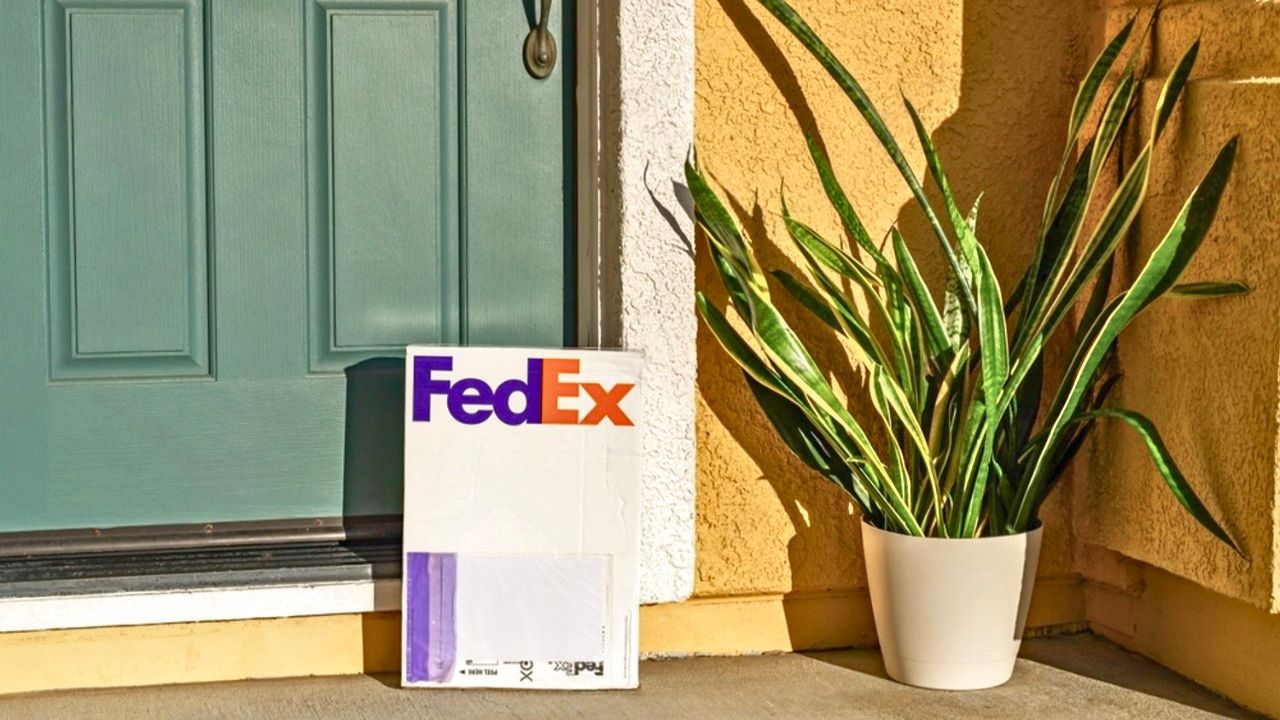
The person shared the situation in a post on r/legaladvice, explaining that the checks were not something they were expecting. They were being delivered by FedEx, which made the situation feel more formal than ordinary junk mail. A letter tossed into the mailbox might be easy to ignore. A tracked delivery from FedEx feels more intentional.
That is part of what made the situation unsettling.
The checks kept showing up. This was not described as one random envelope that could be dismissed as a mistake. The repeated deliveries made the person wonder why their address was being used and what they were supposed to do with the checks.
Fake checks are a common part of several scams. Sometimes scammers send a check and ask the recipient to deposit it, then send part of the money back. Sometimes the check is tied to a fake job, fake prize, fake overpayment, fake rental arrangement, or fake purchase. The check may appear to clear at first, which makes the victim think the money is real. Then days or weeks later, the bank discovers the check is fraudulent, reverses the deposit, and the victim is left responsible for whatever money they sent out.
That is why the biggest danger was not simply receiving the checks. The danger was doing anything with them.
The person did not want to accidentally become involved in fraud. If checks were being sent to their house, they needed to know whether to throw them away, return them, report them, contact FedEx, call police, or notify the bank listed on the checks. They also had to wonder whether someone was using their address as part of a larger scheme.
That address issue matters. If scammers are sending fake checks to a real home, they may be testing the address, using it as a drop point, or planning to involve the resident later. The person receiving them may have nothing to do with the scam, but their home becomes part of the paper trail.
The FedEx delivery detail also raised another question: who was paying to ship these checks, and why send them with a trackable carrier? If the sender was trying to make the checks seem legitimate or urgent, FedEx delivery could be part of the pressure. A package that arrives at the door feels like something important, even when the contents are fake.
The post did not describe the person depositing the checks or losing money. It captured the earlier stage, where someone recognizes something is wrong and wants to avoid becoming the next victim.
Commenters Told Them Not to Deposit the Checks
Commenters were clear about the most important point: do not deposit the checks.
Several people said that even if a check looks real, depositing it can create problems. The bank may make funds available before the check fully clears, but that does not mean the check is legitimate. If the check later bounces or is identified as fraudulent, the depositor can be responsible for the money.
Others suggested contacting the bank named on the check through official contact information, not through phone numbers printed on suspicious paperwork. The person could report that fake checks were being sent to their address and ask whether the bank had a fraud department that wanted the information.
Commenters also told the person to save the envelopes, tracking labels, sender information, and copies or photos of the checks. The pattern could matter if more arrived or if investigators later needed details. Throwing everything away immediately might erase useful information.
Some people suggested reporting the deliveries to FedEx or to law enforcement if the pattern continued. Even if police did not investigate one fake check, repeated deliveries could show that the address was being used in a scam.
There was also advice to avoid contacting any sender listed in the package. Scammers often include phone numbers, emails, or instructions designed to pull the recipient into the next step. If the person reached out, they could confirm that the address was active or invite more pressure.
The post did not end with the sender identified or the deliveries stopped. It ended with the person trying to figure out what to do when fake checks kept arriving at their home through a real delivery company.
That is what made the situation serious. The checks may have been fake, but the risk was real. Depositing one could turn a weird delivery into a financial loss.
Commenters did not tell the person to test one and see what happened. They told them to avoid depositing anything, document the shipments, contact real institutions through official channels, and treat the packages as part of a scam until proven otherwise.
Because when fake checks keep arriving by FedEx, the safest move is not curiosity. It is refusing to let a scammer turn your bank account into the next stop in the scheme.

Abbie Clark is the founder and editor of Now Rundown, covering the stories that hit households first—health, politics, insurance, home costs, scams, and the fine print people often learn too late.