Neighbor Stood Outside With a Rifle — Then the Harassment Turned Into Something Much Worse
Photo credit: Kali9/istock.com
A Florida homeowner who had only been dealing with his new neighbor for a few weeks said the behavior started strange and quickly became frightening.
The neighbor had recently moved in across the street. The homeowner did not know much about him other than that he appeared to be in his 40s or 50s and lived alone. At first, the man’s behavior was odd but not clearly illegal. He would take walks around the neighborhood, and when he passed the homeowner’s house, he would stop and stare.
The homeowner could see him through the living room window.
When he went outside to ask what was going on, the neighbor gave strange excuses. Sometimes he said he was admiring the shingle work. Other times he said he was stargazing. He never came directly onto the property during those early encounters, which made it harder to explain to police or anyone else why it felt threatening.
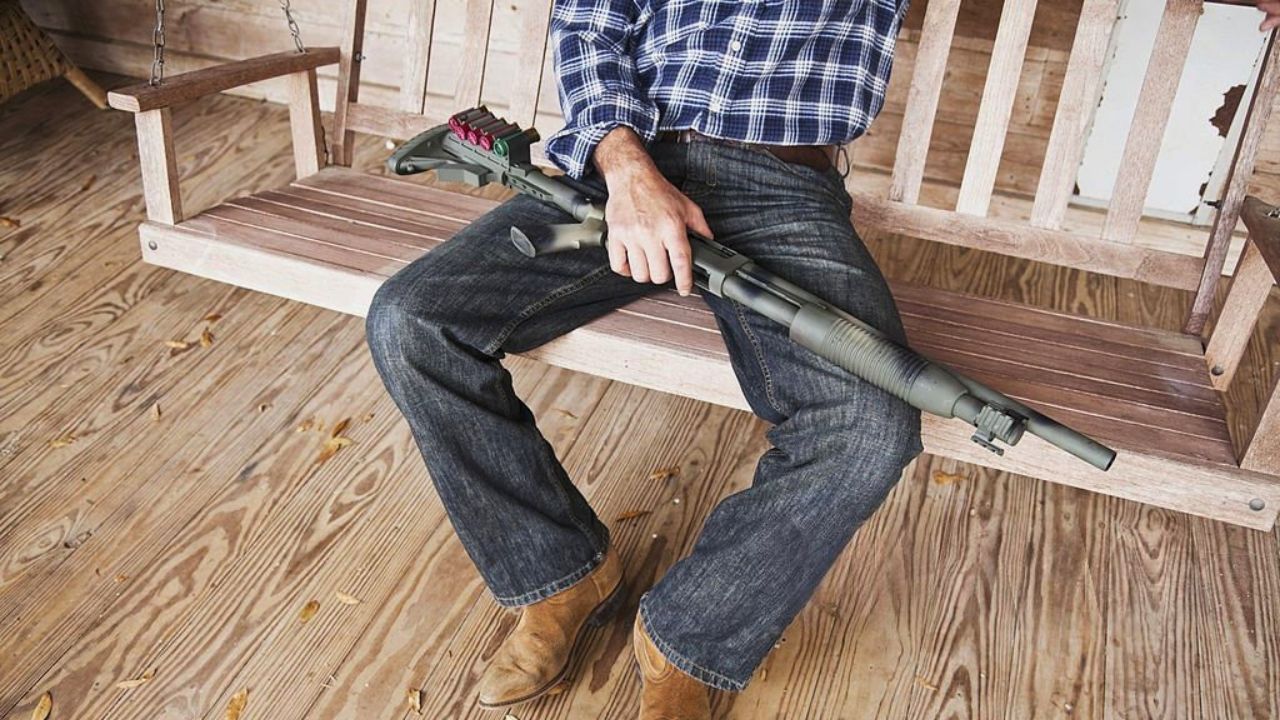
Then one day, the homeowner came home and saw the neighbor sitting on his front porch with a rifle in his lap.
The gun was in plain view. The homeowner asked if anything was wrong, and the neighbor only nodded. That was enough for him to go inside and call police.
What happened next was the moment that changed the whole situation.
The homeowner said he made the call from his kitchen, and the only way to see into that kitchen from outside would be to walk up to the living room window and peer to the side. After hanging up, he turned toward the living room and saw the neighbor about two feet from the window, looking inside with the rifle. The homeowner ran into his bedroom and locked the door.
Police arrived, but the response did not reassure him. According to the Reddit post, officers told him that because the neighbor had not pointed the gun at him, it was not a threat they could act on in the way he expected. They said they could trespass him, but by the time they arrived, the neighbor had left the area.
Then the dead fish appeared.
The homeowner came home around 10 p.m. and found a dead fish in his mailbox. He did not have direct proof it was the neighbor, but by that point, the pattern felt too strange to ignore. He asked online what he could do without evidence and whether a restraining order was possible.
People urged him to get cameras, save evidence, and insist on police reports. So he did.
He installed cameras with night vision and motion alerts. He added window tint and heavy curtains. He tried to cover the obvious vulnerable spots around the house.
But the first night the cameras were up, someone dressed in all black, including a mask, walked up and pointed the cameras down. The next morning, he found that someone had spray-painted a knife on his mailbox. He filed a report with the postal inspector and called police again.
Then he heard shots.
One night, he woke up to a loud noise hitting his house over and over. He went outside and found small holes in the exterior and discharged rounds on the ground. Police confirmed they were .22 rounds fired from a distance. Because the home was concrete, the rounds had not penetrated fully.
Police offered to patrol the neighborhood for a few days. Nothing happened during the patrol window.
Then, a few days later, the homeowner heard shots again. This time, the cameras caught more. He saw a silhouette shooting from the middle of the street before running toward the back of the neighbor’s house. Police came, spoke with the neighbor, and the neighbor claimed he had seen and heard nothing. After officers left, the homeowner asked the neighbor if he was telling the truth. The man reportedly looked at him and smiled.
The homeowner felt stuck. He had reports. He had fear. He had a pattern. But he still did not have the kind of direct proof that made authorities act the way he needed them to.
The final update was grim.
Months later, he wrote that the neighbor eventually tried to break into his house in the middle of the night after the same escalating behavior. The homeowner shot him multiple times. He said he was questioned for seven hours and released under Florida’s Stand Your Ground laws. He later learned the neighbor was mentally ill, and the neighbor’s family was trying to sue him for wrongful death.
The line that stayed with the whole story was simple: he said he should have just moved.
What started as staring from across the street became a dead fish in a mailbox, cameras being moved, a knife painted on the mailbox, shots hitting the house, and finally a break-in that ended with someone dead. The homeowner had spent weeks trying to find a nonviolent way out. By the time the law could clearly act, the situation had already become the worst-case version of itself.
Commenters were horrified by the escalation. Many said the moment the homeowner saw the neighbor outside the window with a rifle would have been enough to make them leave the house immediately.
A lot of readers were frustrated by how hard it seemed to get meaningful intervention before the final break-in. They understood why police needed evidence, but they also felt the pattern should have triggered more urgency once gunfire hit the home.
Several commenters focused on the advice to document everything. Cameras, reports, postal complaints, and written timelines mattered, but in this case, they were not enough to stop the neighbor before things turned violent.
The strongest reaction was sadness over how preventable it felt. The homeowner had been scared for weeks and kept trying to get help. By the end, commenters were left with the same awful feeling he expressed himself: sometimes the safest option may be leaving before a dangerous neighbor feud reaches the point where nobody can undo it.

Abbie Clark is the founder and editor of Now Rundown, covering the stories that hit households first—health, politics, insurance, home costs, scams, and the fine print people often learn too late.