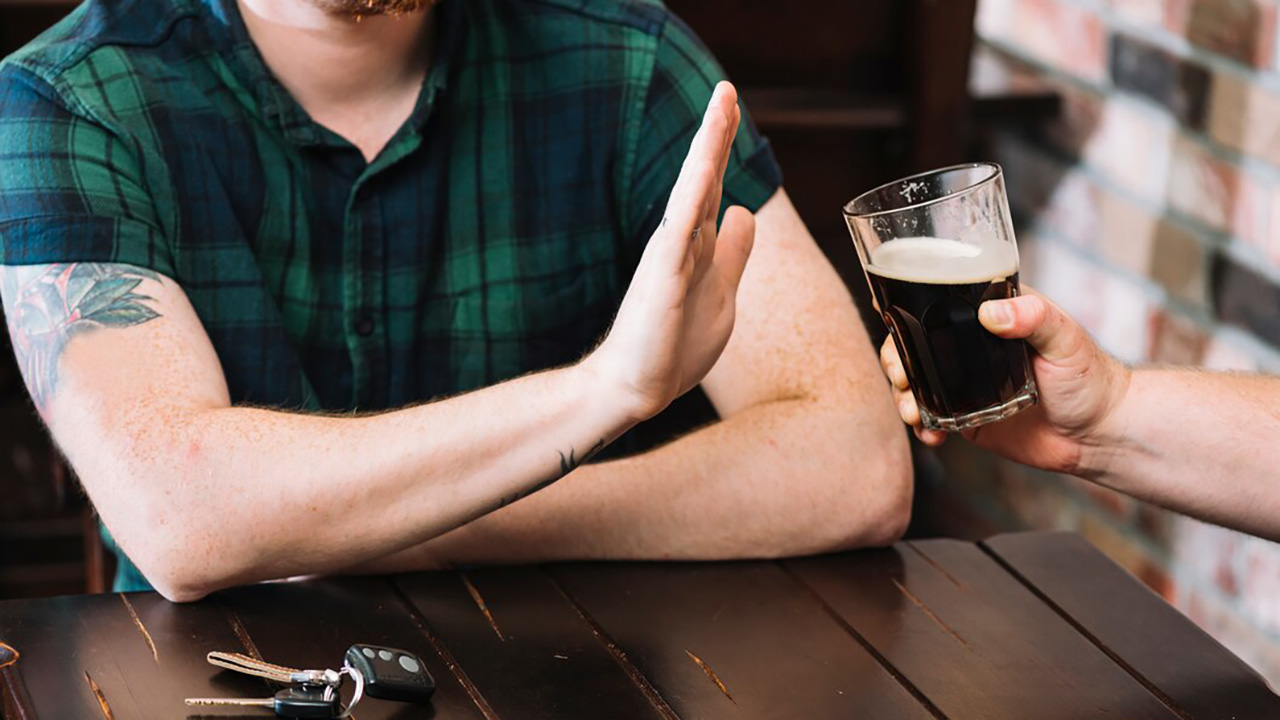
“Dry January” is trending again, but the real shift is what people are replacing it with
Photo credit: freepik/Freepik.com
Dry January has become a familiar ritual, but the real story now is how you and your friends are drinking differently the rest of the year. Instead of a one-month detox followed by a return to old habits, a growing share of people are using the challenge as a gateway to new routines, new products, and a more intentional relationship with alcohol. The shift is reshaping what you see on menus, in office fridges, and at parties, and it is changing what “having a drink” even means.
Behind the catchy slogans and social media posts, there is a deeper cultural reset underway. You are not just saying “no” to alcohol for 31 days, you are experimenting with nonalcoholic cocktails, THC seltzers, mushroom shots, and “damp” drinking rules that last long after January ends. That is where the real transformation is happening.
Dry January goes mainstream, but the mindset lasts longer
Dry January has moved from fringe challenge to mainstream habit, and that popularity is now a starting point rather than the main event. Surveys show that nearly half of adults are rethinking how much they drink, with one report finding that Nearly half of Americans (49%) say they plan to drink less in 2025, up from 41% who said the same the year before. That kind of shift suggests Dry January is no longer a one-off stunt, it is a visible marker of a broader moderation trend.
Industry analysts describe this as part of The Sober Curious Movement, noting that 49% of Americans Trying to Drink Less Alcohol are not just cutting back in Jan, but during all of 2025. Dry January still matters as a symbolic reset, yet the more important change is that you are carrying those lessons into February, March, and beyond, asking harder questions about why you drink and what you might want instead.
From “sober curious” to everyday moderation
If you feel more comfortable saying you do not want a drink than you did a few years ago, you are not alone. Psychologists describe how “sober curiosity” is helping to destigmatize the desire not to drink, especially as health leaders like Surgeon General Vivek Murthy call for stronger warnings about links between alcohol and cancer. Dry January gives you a socially acceptable excuse to experiment with abstaining, but the sober-curious frame invites you to keep questioning your habits long after the month ends.
Treatment specialists note that What 2025’s Sober Curious Movement Reveals About Alcohol Culture is a shift from all-or-nothing thinking toward ongoing reflection about your relationship with alcohol. Instead of labeling yourself as a drinker or non-drinker, you might track how certain nights out affect your sleep, mood, or anxiety, then adjust. That mindset is what turns a 31-day challenge into a year-round recalibration.
“Damp January,” zebra striping, and the rise of flexible rules
For many people, the strictness of a full Dry January no longer fits how they want to live. You might prefer a “damp” approach, where you drink less, not never. Wellness brands describe how Dry January Is So Last Year and that 2025 Is All About Damp January, framed as a way to Think of Damp January as moderation that still lets you socialize and have fun. Instead of a binary success or failure, you set your own rules, like limiting drinks to weekends or capping at one per night.
Some moderation strategies are getting their own vocabulary. Lifestyle coverage highlights “Zebra striping,” described as an anti-extreme solution where you alternate between an alcoholic drink and a nonalcoholic one. The real win, advocates argue, is not a perfect streak but a pattern that leaves you clearer-headed, better rested, and more in control, which is why these flexible rules are sticking around after January ends.
No- and low-alcohol menus become a permanent fixture
Bars and restaurants have noticed that you are not just skipping alcohol in Jan, you are looking for interesting alternatives all year. Hospitality consultants now advise venues on Creating a No-Lo Beverage Menu that treats nonalcoholic options as a core part of the offering, not an afterthought. The guidance is clear: if you want to keep sales from drying up when alcohol consumption falls, you need complex zero-proof cocktails, low-ABV spritzes, and thoughtful pairings that make non-drinkers feel fully included.
Psychology experts point out that Dry January has helped normalize seeing sophisticated alcohol-free drinks on restaurant menus in the U.S., which then encourages you to keep ordering them in other months. As more venues invest in these lists, the social script shifts: you can meet a friend for “drinks” and choose a zero-proof negroni or a hop-infused seltzer without feeling like you are sitting on the sidelines.
Nonalcoholic drinks, THC seltzers, and CBD spritzes
The most striking change is not that you are drinking less alcohol, it is what you are drinking instead. Market researchers report that Nonalcoholic options extend beyond beer, wine and spirits to THC and CBD infused drinks, with 26% of consumers saying they plan to choose these alternatives in 2025 and 32% of millennials doing so in 2024. That means your “nightcap” might now be a hemp-based seltzer or a CBD spritz designed to take the edge off without a hangover.
Hemp beverage makers describe how Dry January Alternatives have turned THC drinks into a Trend to Watch, as people search for How THC Beverages Became a gentler replacement for a cocktail. At the same time, nonalcoholic brands explain in their Mar Introduction that the sober-curious movement has evolved into a full alcohol-free movement, with complex flavor profiles and premium packaging that make these drinks feel like a deliberate upgrade rather than a compromise.
Shops, offices, and workplaces stock the new “bar”
The shift is not confined to nightlife, it is showing up in where you shop and work. In Charleston, Shop owner offers alcohol alternatives Emily Heintz launched Sèchey after realizing how many customers wanted sophisticated nonalcoholic options, including bottles that can compete in a traditional wine competition. Her shelves now function like a new kind of bottle shop, where you can browse zero-proof spirits, aperitifs, and adaptogenic tonics with the same care once reserved for craft gin.
Workplaces are following suit. Office snack and beverage providers note that Dry January may have started as a one-month challenge, but Beyond Dry January, Non Alcoholic Beverage Trends You Need To Know are reshaping office pantries, with sparkling waters, nonalcoholic beers, and functional drinks replacing the after-hours beer fridge. When your company happy hour features hop water and kombucha alongside wine, it becomes easier to keep your new habits without opting out of team culture.
Gen Z’s functional drinks: mushroom shots, kombucha, and more
Younger drinkers are pushing the shift even further by questioning alcohol and caffeine at the same time. Reporting from the UK notes that Instead, new data shows Generation Z are giving up on alcohol and coffee altogether in favour of “functional” health drinks like mushroom shots and kombucha, drawn by ingredients and healthy gut bacteria. For this cohort, a Friday night might involve a lion’s mane elixir or a probiotic soda rather than a round of shots.
This functional mindset dovetails with the sober-curious trend, because it asks what a drink does for your body rather than just how it tastes. Wellness brands that once focused on hangover cures are now selling mood-supporting tonics and focus-enhancing beverages, and you see them popping up in the same fridges that used to be stocked with energy drinks. The result is a spectrum of choices where “going out for drinks” can mean anything from a nitro cold brew to a reishi mushroom mocktail.
Data shows the shift is real, not just a social media fad
Behind the hashtags, the numbers point to a structural change in how you drink. One consumer survey found that Sober curious movement grows: 49% of Americans plan to drink less in 2025, with the research based on a nationwide survey of household purchasing in the consumer packaged goods ecosystem. Nearly half of Americans in that sample are signaling a long-term pivot, which is already influencing how brands allocate shelf space and marketing budgets.
Cultural analysts argue that as alcohol consumption declines, social norms are adjusting too. Commentators writing about Beyond Dry January describe The Cultural Shift in Drinking Habits as one where it is increasingly acceptable to cut back or quit entirely without needing a dramatic backstory. When you can show up to a birthday party with a four-pack of nonalcoholic IPA or a THC seltzer and be met with curiosity instead of side-eye, you know the change has moved beyond trend status.
How to make your own Dry January reset actually stick
If you are using Dry January as a reset, the question now is how to turn it into a sustainable change that fits your life. Psychologists like Kim Mills, who hosts a Dry January Transcript discussion with experts, emphasize that the month works best when you treat it as an experiment rather than a test of willpower. You might track your sleep, mood, and social experiences, then decide which benefits matter enough to keep prioritizing once February arrives.
From there, you can borrow from the trends already reshaping the market. Build your own “no-lo” shelf at home with a mix of nonalcoholic spirits, THC or CBD drinks if they are legal where you live, and functional beverages that support how you want to feel. Use damp strategies like zebra striping on nights out, and lean on the growing availability of nonalcoholic options in bars, shops, and offices to make the lower-alcohol choice the easy one. The cultural shift is already underway; the opportunity now is to decide which of these new options you want to keep in your glass long after January ends.