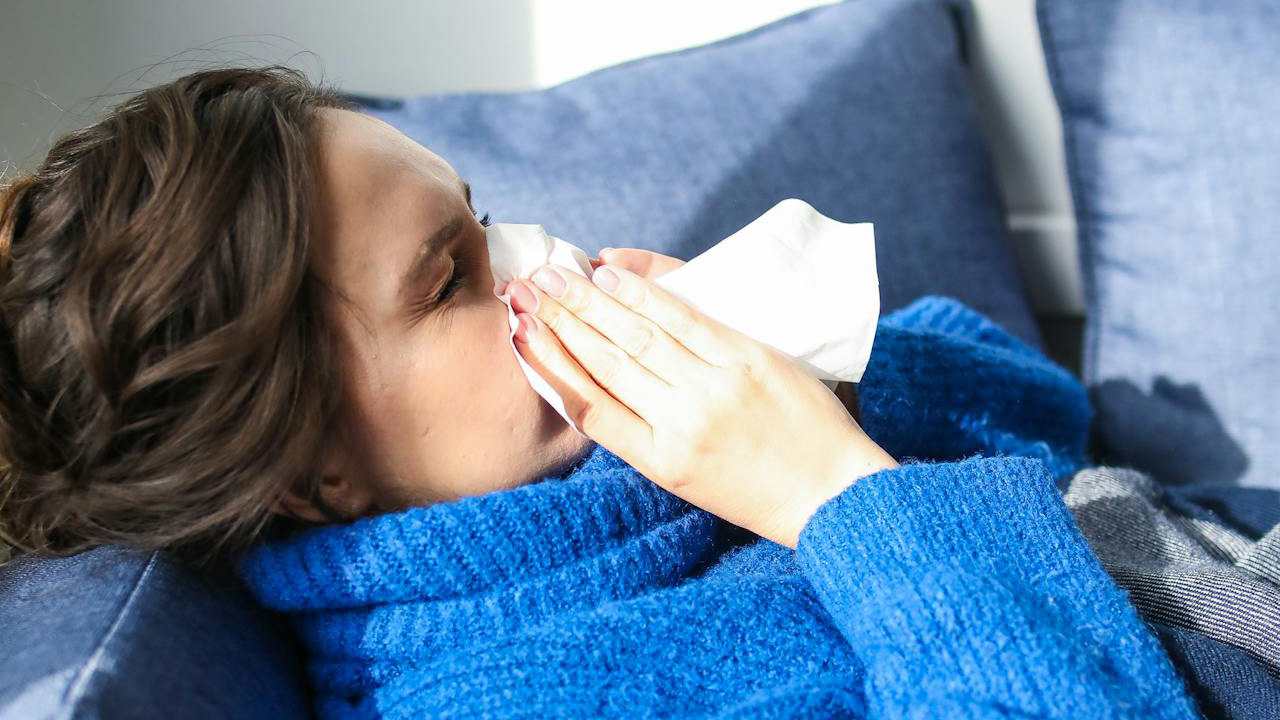
Texas sees a sharp jump in flu positivity as holiday gatherings ramp up
Photo credit: Polina Tankilevitch/Pexels.com
Texas is heading into the heart of winter with a steep rise in flu test positivity just as families crowd airports, living rooms, and church pews for holiday gatherings. You are seeing the impact in packed waiting rooms, school absences, and coworkers suddenly out sick, as influenza A in particular gains ground across the state. With a new strain helping to fuel earlier and sharper activity, the choices you make over the next few weeks will shape how hard this wave hits your household and community.
Flu positivity surges as Texans gather for the holidays
When you look across Texas, the pattern is unmistakable: flu tests that were coming back negative earlier in the fall are now turning positive at a much higher rate. State respiratory surveillance shows influenza moving from scattered activity to widespread circulation, with positivity climbing week after week as travel and indoor gatherings increase. That shift is not just a statistical curiosity, it is the signal that the virus is finding more hosts in crowded homes, office parties, and school events where you are spending long stretches in close contact.
Public health officials track this trend through the Texas Respiratory Virus Surveillance system, which compiles lab results, emergency department visits, and hospitalizations into a weekly snapshot of how hard influenza is hitting. Recent updates from the state surveillance report show flu positivity rising in tandem with other respiratory infections, a reminder that you are not just navigating one virus but a crowded winter landscape of overlapping threats. For you, that means a higher chance that a lingering cough or sudden fever really is influenza, and a greater responsibility to recognize symptoms early so you do not become another link in the chain of transmission.
What the data says about how fast cases are climbing
Behind the headlines about a sharp jump in flu activity is a simple reality: the curve is bending upward faster than it did at the same point last season. Health officials have warned that flu cases in Texas have more than doubled within a matter of weeks, describing a season that is “building earlier than usual” and accelerating as the holidays approach. In practical terms, that means you are moving from sporadic cases in your social circle to a point where several people you know are sick at the same time, a classic sign that the virus has broken through the early containment phase.
Local reporting has underscored how quickly this is happening. One update shared that Health officials see this season ramping up ahead of schedule, while another analysis of national trends noted that Boston has already recorded a 114% increase in flu cases and a 44% increase in flu-related emergency department visits, a warning sign for what Texas could face if the trajectory continues. When you see those kinds of jumps elsewhere, it is a cue to treat the current rise at home as the beginning of a serious wave, not a brief blip that will fade on its own.
A new flu strain reshapes the season’s trajectory
The speed and timing of this year’s surge are not happening in a vacuum, they are being driven in part by a new influenza strain that has picked up mutations giving it an edge. State officials have pointed to a variant of influenza A that is circulating widely and appears to be more efficient at spreading, especially in indoor environments where ventilation is limited. For you, that means the same casual exposure that might not have led to infection in a previous year could now be enough to make you sick, particularly if you are unvaccinated or have underlying health conditions.
Reporting on this strain has highlighted how it helped trigger an early rise in Texas flu cases and hospitalizations, with Texas Health and Human Services tracking a steady climb across multiple reporting weeks, including Nov and Dec. One analysis noted that counts from Nov 22, Nov 29, and Dec 6 were already outpacing the prior season, and that Compared to the same time last year, the numbers were significantly higher. When you factor in that this mutated strain is spreading just as people relax precautions for holiday travel and gatherings, it becomes clear why positivity is jumping so sharply and why you cannot rely on last year’s experience as a guide to your risk now.
Central Texas and Waco show how quickly flu A can dominate
If you want a snapshot of how fast influenza A can take over a region, you only need to look at Central Texas. Local physicians there are reporting a significant increase in influenza A cases, describing a rapid shift from scattered infections to a dominant strain that is filling clinics with patients who have high fevers, body aches, and deep coughs. For families in these communities, the flu is no longer an abstract statewide trend, it is the reason your child’s classroom looks half empty and your neighborhood urgent care is running behind schedule.
In WACO, Texas, clinicians have described how the holidays bring loved ones together but also bring a wave of unwanted illnesses, with influenza A leading the pack. Another report from Central Texas quoted Local physicians who have seen a sharp spike in patients with classic Flu symptoms in recent days, reinforcing that this is not a slow, gradual build. When you see that kind of concentrated activity in one region, it is a signal that similar surges can unfold in your own area with little warning, especially if you share the same travel patterns and social habits.
North Texas emergency rooms brace for the post-party crush
In North Texas, the flu surge is already reshaping what you can expect if you need care after a holiday gathering. Hospitals and urgent care centers are preparing for some of the busiest days of the year once parties wind down and people who tried to “push through” their symptoms finally seek help. Emergency physicians are warning that the places most crowded in DALLAS and the rest of North Texas after the holidays may not be shopping centers but emergency rooms and urgent care lobbies filled with people battling high fevers and dehydration.
Local coverage has described how clinicians are urging you to take basic precautions now, such as washing your hands frequently and using hand sanitizer, to reduce the odds that you will end up in those waiting rooms. Video reports from the region, including one segment shared on Zoom, have featured patients who had to cancel interviews or plans because they were suddenly too sick to participate, a reminder of how quickly influenza can derail your schedule. If you live in North Texas, the message is straightforward: assume that flu is circulating in every crowded indoor space you enter, and plan your activities with that reality in mind.
Holiday behavior is giving the virus a perfect runway
The timing of this surge is not accidental. Your holiday routines, from cross-country flights to packed living rooms and office potlucks, are giving influenza exactly what it needs to spread efficiently. When you gather with extended family, hug relatives you have not seen all year, and share food in close quarters, you are creating a dense web of contacts that lets one infection quickly seed many more. Even a single contagious person at a party can set off a chain of cases that shows up in your community’s positivity rate a week or two later.
Reporters like Natario have highlighted how data already shows flu cases rising and how they could get worse following the holidays if people ignore early symptoms such as fever, body aches, or a sore throat. Another analysis framed the trend more bluntly, noting that Data shows flu cases are rising and could get worse following the holidays if people continue to attend gatherings while sick. For you, the takeaway is clear: the virus is exploiting your traditions, but small adjustments, like staying home when you feel unwell and improving ventilation, can blunt its advantage.
How this Texas wave fits into the national flu picture
While the current spike in flu positivity might feel uniquely Texan, it is part of a broader national pattern that is unfolding across multiple states at once. Cities like New York and Boston are also seeing steep increases in cases and hospital visits, suggesting that the same combination of a new strain and holiday behavior is playing out across the country. When you see parallel surges in distant regions, it is a sign that the virus has achieved wide geographic spread and that local declines are unlikely until the broader wave crests.
National public health tracking has underscored this point by highlighting that Boston has seen a 114% increase in flu cases and a 44% increase in flu-related emergency department visits, figures that mirror the kind of rapid growth Texas is now experiencing. When you place Texas alongside those numbers, it becomes easier to understand why health officials are so concerned about hospital capacity and staffing over the coming weeks. For you, it is a reminder that even if your local county dashboard looks manageable today, the broader national wave can still push your area into a more precarious position very quickly.
What you can do now to lower your personal risk
Against this backdrop of rising positivity and a fast-moving strain, your individual choices still matter a great deal. Vaccination remains one of the most effective tools you have, especially if you are older, pregnant, or living with chronic conditions that raise your risk of complications. Even if you have not yet gotten a flu shot, it is not too late; the vaccine can still reduce your chances of severe illness and help slow the spread in your community by shortening the time you are contagious if you do get sick.
Beyond vaccination, simple behavior changes can meaningfully cut your risk. Health experts featured in recent coverage have urged you to stay home when you develop symptoms like fever, chills, or a new cough, rather than “toughing it out” at work or social events. They have also emphasized the value of basic hygiene, including frequent handwashing and using hand sanitizer in crowded settings, advice echoed in guidance tied to the state respiratory report. If you are hosting gatherings, you can improve ventilation by opening windows, spacing out seating, and encouraging guests to test and stay away if they feel unwell, small steps that collectively help bend the curve of transmission in your favor.
Preparing your household for the weeks ahead
With flu positivity climbing and the holiday season still in full swing, it is worth taking a moment to prepare your household for what the next few weeks may bring. That starts with a simple inventory: making sure you have a working thermometer, over-the-counter fever reducers, oral rehydration solutions, and any prescription medications you or your family members rely on. Having these basics on hand means you will not need to scramble to a crowded pharmacy when someone spikes a fever late at night, a situation that can expose you to even more viruses.
You can also set expectations now about how your family will respond if someone gets sick. Decide in advance who can work from home, how you will handle childcare if a school outbreak forces a temporary closure, and which relatives might need extra support if they fall ill. Public health voices, including those quoted by Marcine Graham Dallas, have stressed that TEXAS residents should think through these contingencies During the holiday season, when a new flu strain is driving cases higher for at least three weeks in a row. By planning ahead, you give yourself room to make safer choices, like keeping a sick child home or postponing a visit to an older relative, without feeling like you are improvising in the middle of a crisis.